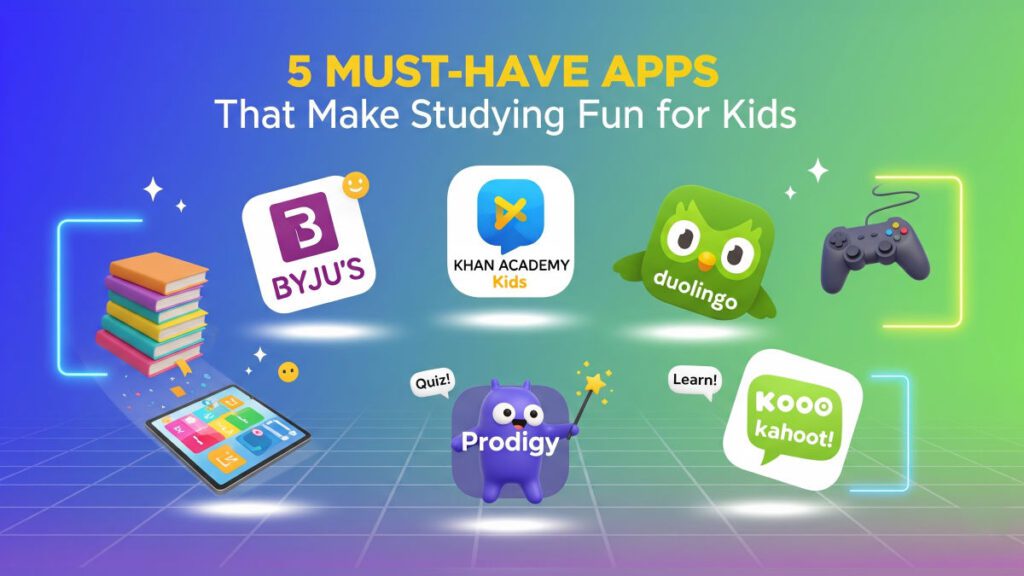
Short answer: The five best apps that make studying fun for kids in 2025 are BYJU’S, Khan Academy Kids, Duolingo, Prodigy Math Game, and Kahoot!. They turn lessons into animated videos, story-based adventures, language streaks, RPG-style math quests, and live quiz games. Prodigy alone has been used by over 50 million students worldwide.
Why learning shouldn’t feel like a chore
Studying used to mean sitting quietly with a textbook. In 2025, education has taken a tech-powered turn, and children are learning through games, storytelling, and interactive digital adventures. If your child fidgets during homework or zones out during lessons, there is good news.
Educational apps are reshaping how kids absorb information, making it enjoyable and stimulating. Whether your child loves math, is starting to read, or wants to pick up a new language, there is an app built for it. Here are five of the best.
1. BYJU’S — The Learning App
Where animated videos bring lessons alive
BYJU’S is a major force in Indian education. Catering to students from Kindergarten to Class 12, it turns dry academic content into colourful video lessons that feel closer to a YouTuber than a classroom.
What sets BYJU’S apart is personalisation. Children are guided through adaptive pathways based on their strengths and weaknesses, which makes tricky concepts easier to grasp. Add gamified quizzes, badges, and animated characters, and you have a platform that keeps young minds hooked.
I saw this with my niece, who once dreaded math homework but now begs to finish her BYJU’S practice levels to “see what happens next” in the video module.
2. Khan Academy Kids
Learning that feels like a storybook adventure
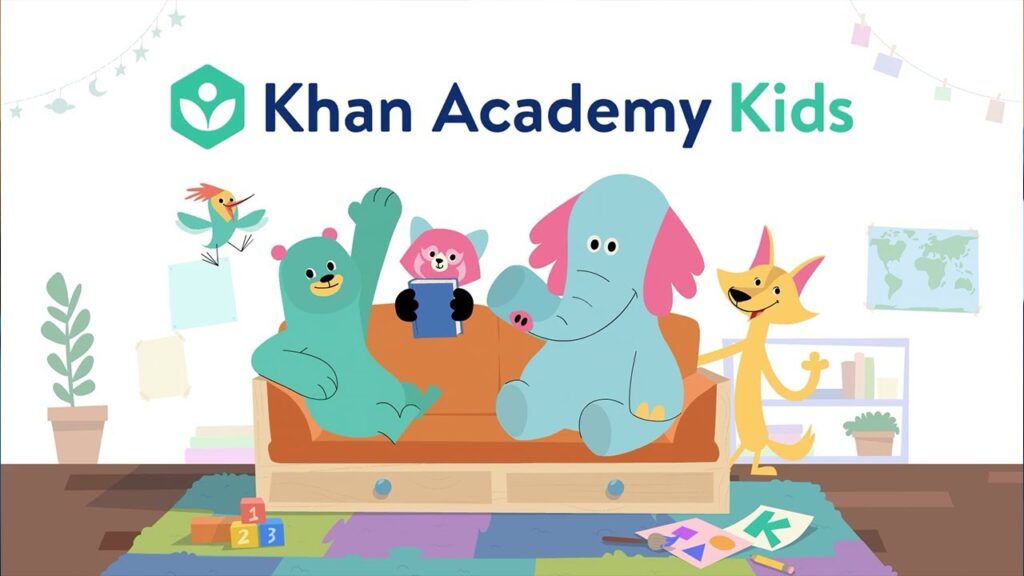
This free app is a hidden gem for parents of early learners. It covers math, reading, logic, and social-emotional skills through whimsical characters and story-based lessons that grow with your child.
According to Timedoor Academy, the 2025 version now includes better personalisation and emotional learning tools. These help children develop empathy and self-awareness alongside academics. The pace is gentle, the visuals soothing, and the interface intuitive.
3. Duolingo
Language learning powered by points and streaks
Learning a new language can feel daunting, unless you are playing Duolingo. Built like a game, it turns vocabulary and grammar into small challenges that award points, unlock levels, and build daily streaks. The iconic green owl mascot, Duo, nudges learners to keep going, whether in French, Spanish, or Japanese.
It is an excellent app for kids who love a challenge or enjoy competing with themselves. My neighbour’s 9-year-old has a 73-day streak in Spanish and proudly says, “I don’t miss a day, or Duo gets sad!”
In 2025, Duolingo has become even more visual and interactive, making it one of the top tools for building language skills in a pressure-free way.
4. Prodigy Math Game
Math plus magic? Yes, please
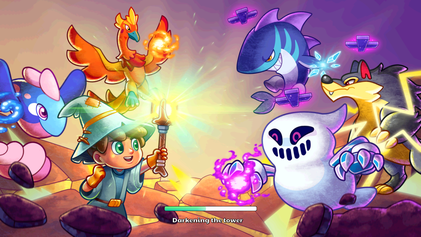
If your child loves fantasy games, Prodigy will feel like a magical math quest. Players create avatars, explore enchanted lands, and battle enemies by solving math problems. The more they solve, the more spells and rewards they unlock.
This RPG-style platform has been used by over 50 million students worldwide. Its 2025 update adds adaptive difficulty and multiplayer modes, so children can challenge friends while sharpening skills.
Prodigy is best for children who already have a basic understanding of numbers and want a more immersive way to practise.
5. Kahoot!
Turn review time into game time
In classrooms or at home, Kahoot! adds energy to any lesson. Parents and teachers can create custom quizzes on any topic, and kids can play solo or compete in live or self-paced games.
Real-time scoring, bright visuals, and countdown timers bring a sense of urgency and competition kids love. In our house, “Kahoot night” has become a weekly ritual, part quiz, part family game night.
According to Research.com, Kahoot! continues to be a favourite for reinforcing classroom lessons in an engaging way, especially for visual and competitive learners.
Learning reimagined, one tap at a time
In 2025, children are growing up in a digital-first world, and these educational apps show learning can be as fun as gaming or social media. With tools like BYJU’S, Khan Academy Kids, Duolingo, Prodigy, and Kahoot!, parents have creative ways to support education without endless nagging.
The key is not the apps alone but how we use them. Choose platforms that match your child’s age, learning style, and interests. Mix screen time with real-life experiences, and stay part of their learning journey.
FAQs about learning apps for kids
Which learning app works best for early readers?
Khan Academy Kids is ideal for early learners. It is completely free, covers math, reading, logic, and social-emotional skills, and uses whimsical characters and story-based lessons. The 2025 version added better personalisation and emotional learning tools.
Is BYJU’S suitable for all school grades?
Yes. BYJU’S caters to students from Kindergarten to Class 12. It uses adaptive pathways, gamified quizzes, badges, and animated characters to personalise learning across school subjects.
How many students have used Prodigy Math Game?
Prodigy has been used by over 50 million students worldwide. Its RPG-style gameplay turns math practice into a fantasy quest with avatars, spells, and multiplayer battles.
Is Duolingo safe for children?
Duolingo is designed for all ages and uses gamification, daily streaks, and the Duo mascot to keep learners coming back. Parents should still supervise screen time and set daily limits for younger children.
How does Kahoot! help with studying?
Kahoot! lets parents and teachers build quizzes on any topic. Kids can play solo or compete live. Research.com highlights it as a favourite for reinforcing classroom lessons, especially for visual and competitive learners.