
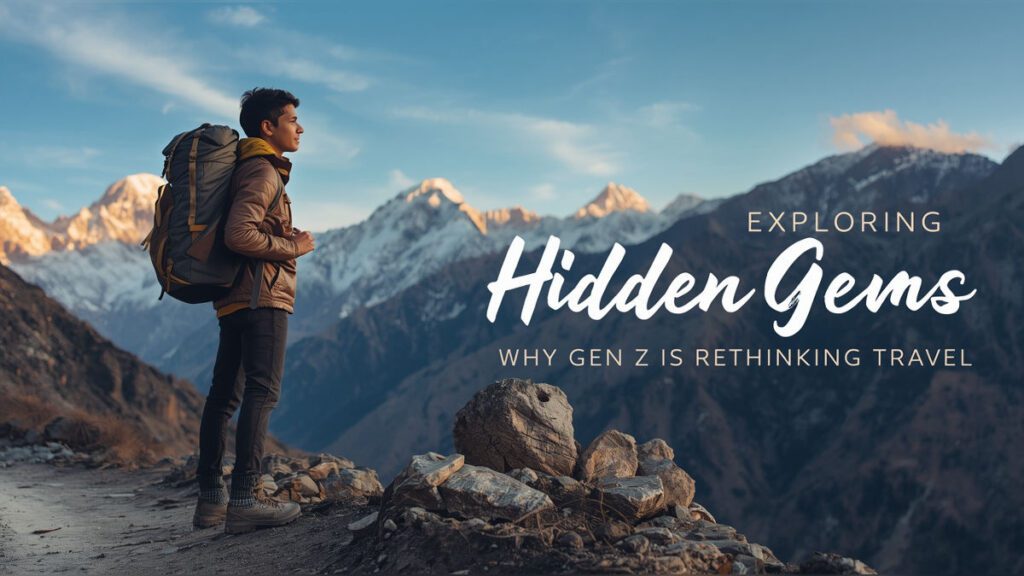
Short answer: Gen Z travel in 2025 has moved past tourist selfies toward hidden gems like Spiti Valley, Hampi, Majuli Island, and Gokarna. Young Indian travelers want authenticity, sustainability, and stories worth sharing — favouring local markets, eco-lodges, digital-nomad stays, and AI-planned itineraries over Paris, Bali, or Tokyo bucket-lists.
Travel for Gen Z in 2025 isn’t about ticking off tourist spots or Instagrammable selfies. Young travelers are seeking authenticity, culture, and experiences that tell a story. Beyond Paris, Bali, or Tokyo, they are exploring hidden gems, offbeat towns, eco-villages, and culturally rich neighbourhoods.
It reflects a shift in mindset: travel isn’t about relaxation alone. It’s about learning, connecting, and documenting a story worth sharing.
Why is Gen Z rethinking travel in 2025?
From Sightseeing to Storytelling
Traditional sightseeing has taken a backseat. Gen Z travelers want experiences that resonate emotionally. Instead of visiting crowded monuments, they prefer walking through local markets, joining a cooking class, or learning a traditional craft. The approach makes travel more immersive and memorable.Eco-Friendly and Sustainable Travel
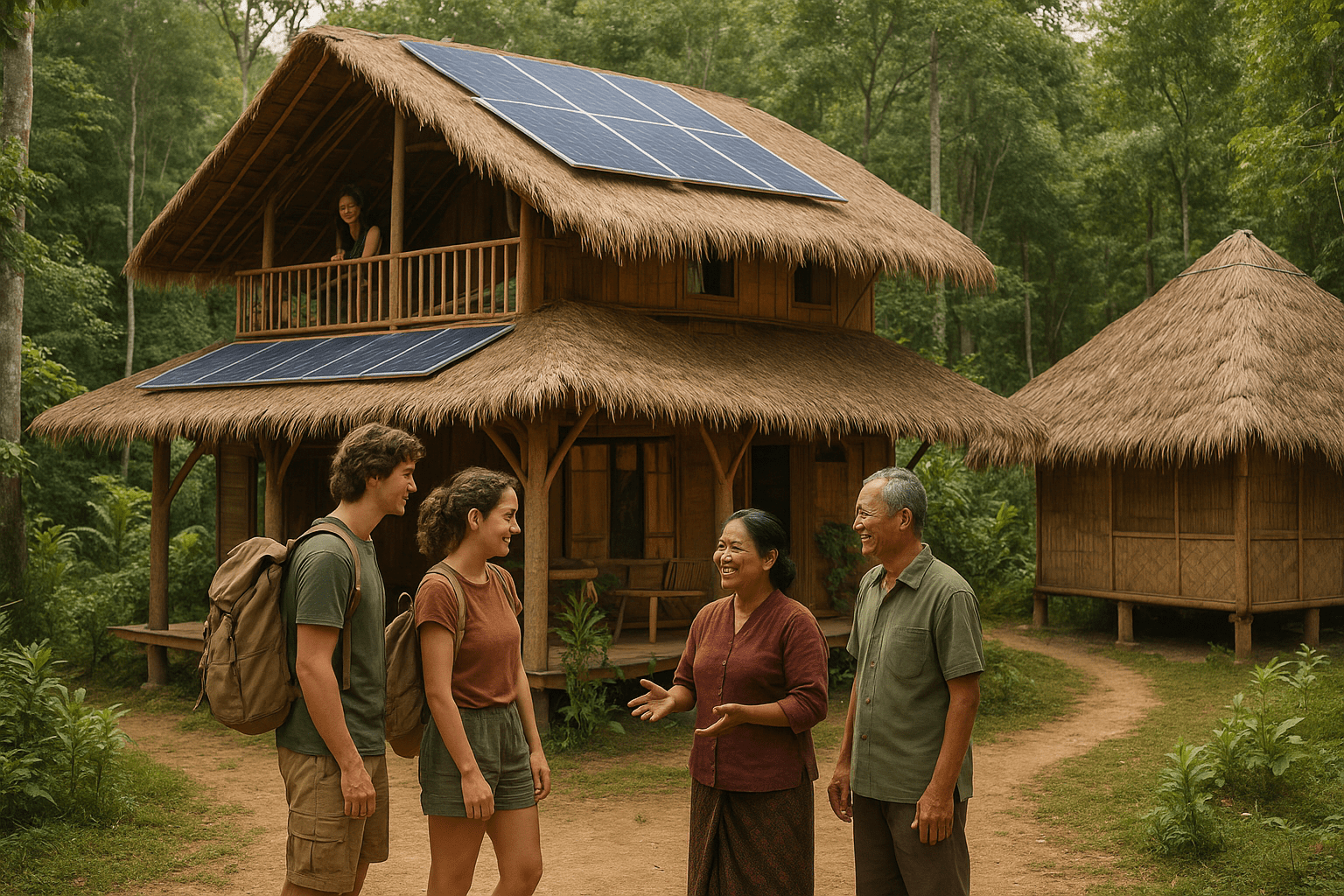
Climate consciousness is shaping choices. Eco-lodges, treehouse stays, sustainable homestays, and volunteer travel are gaining traction. Young travelers are willing to spend more on trips that reduce environmental impact.Digital Nomad Lifestyle
Remote work has enabled Gen Z to combine work and travel. Cafes, co-working spaces, and digital-nomad-friendly accommodations are trending in small towns and less-explored regions.
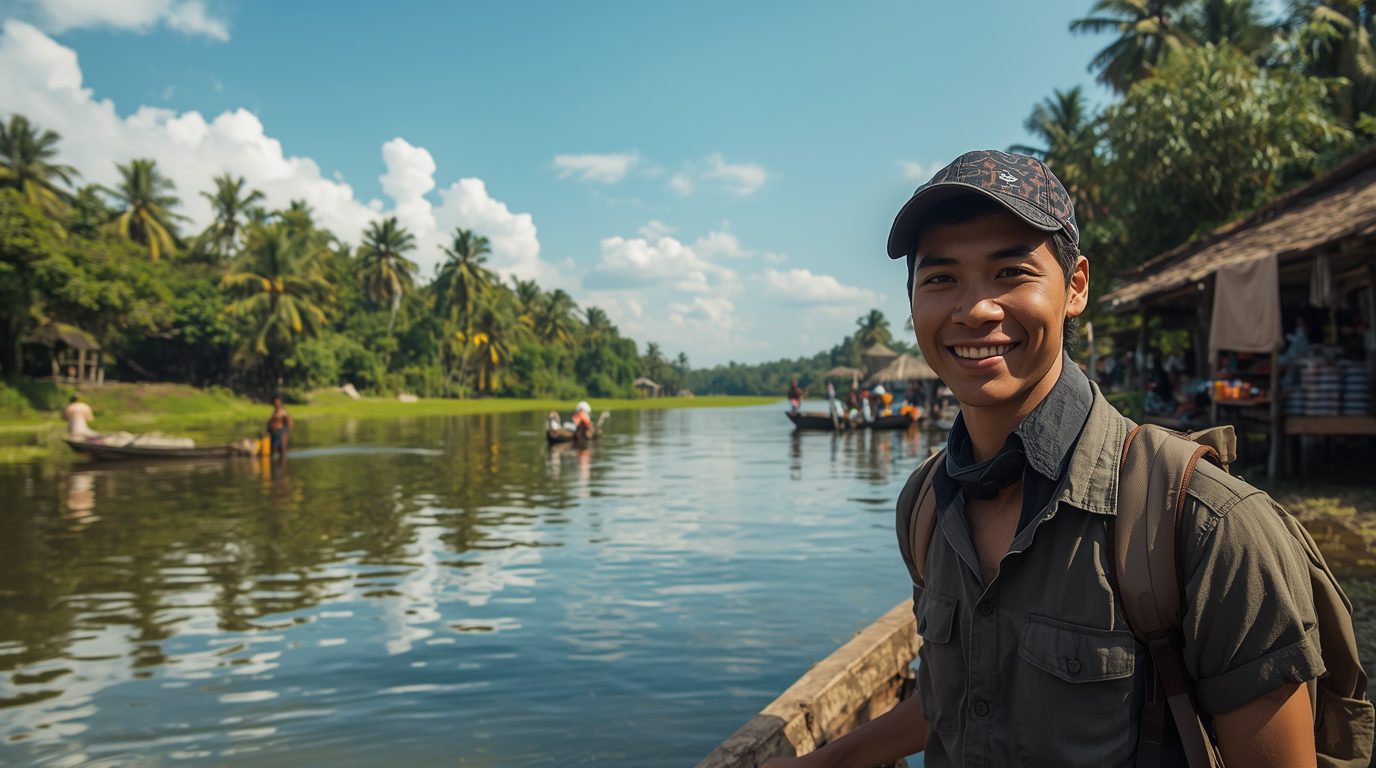
What are the best hidden gems for Indian youth?
Spiti Valley, Himachal Pradesh: Rugged mountains, monasteries, and starlit skies attract trekkers and photographers.
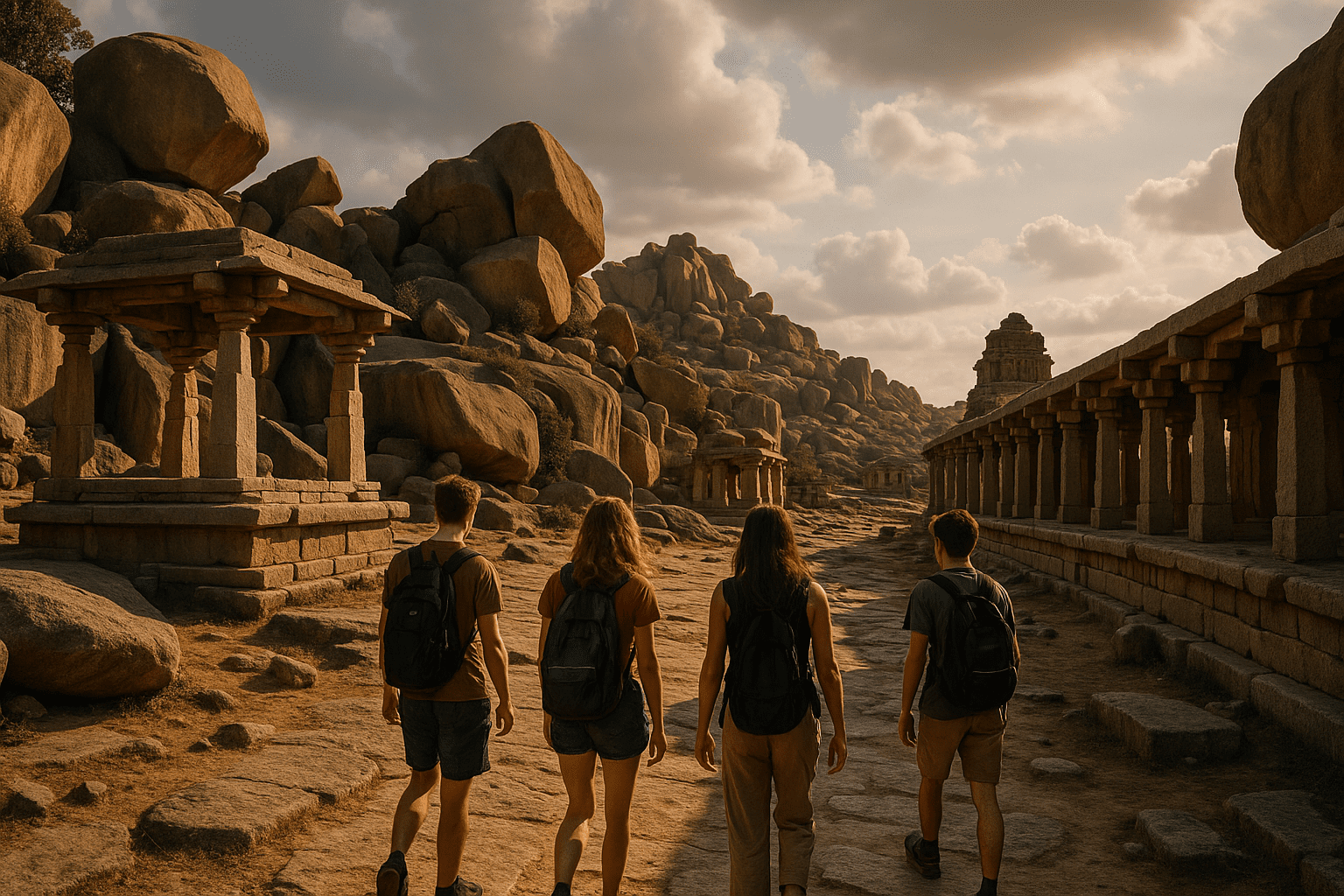
Hampi, Karnataka: Ancient ruins, rock formations, and a vibrant backpacker community make it a creative hotspot.
Majuli Island, Assam: Riverine island culture, mask-making, and serene landscapes suit art-loving travelers.
Gokarna, Karnataka: Laid-back beaches away from the Goa crowd, ideal for surf, yoga, and exploration.
These destinations combine adventure, culture, and aesthetics — the priorities driving Gen Z travel.
How is technology shaping Gen Z travel?
Social Media and Travel Inspiration: Instagram, Pinterest, and YouTube are the first stops for discovering offbeat destinations. Short-form videos and reels surface hidden experiences that traditional guides miss.
Travel Apps and Community Platforms: Apps like Couchsurfing, Meetup, and Airbnb Experiences connect youth with locals for authentic activities and stays.
AI and Planning Tools: AI-based itinerary planners suggest unique experiences, lesser-known food spots, and scenic routes tailored to individual preferences.
How are brands responding to Gen Z travel trends?
Brands and startups are noticing the shift:
Boutique Travel Agencies: Curated trips for youth that mix adventure, art, food, and culture.
Local Guides and Micro-Experiences: Individuals monetising skills like photography tours, cooking classes, or street art walks.
Travel Merchandise and Content: Gen Z travelers are also creating content as a revenue stream — vlogs, reels, blogs, and travel photography.
What challenges come with offbeat travel?
Over-tourism in Offbeat Locations: Some hidden gems risk being overrun as their popularity grows. Responsible tourism is key.
Safety and Connectivity: Remote locations may lack proper infrastructure, internet access, or safety measures.
Balancing Experience and Cost: Unique experiences often come with premium prices; budgeting matters.
What are the best tips for Gen Z travelers?
Plan Smart, Explore Flexibly: Research local culture, transport, and climate, but leave room for spontaneous experiences.
Document Creatively: Use photos, videos, sketches, or journals, not only social media posts.
Engage Locally: Eat local food, join festivals, support small businesses.
Travel Sustainably: Reduce waste, avoid plastic, respect local customs.
The bigger picture
In 2025, travel for Gen Z is more than a trip. It’s an exploration of culture, creativity, and personal growth. Hidden gems offer authenticity, adventure, and memorable experiences that conventional destinations often lack.
For youth who value storytelling, sustainability, and creativity, these lesser-known locales aren’t places alone — they are chapters of a personal journey waiting to be written.
FAQs on Gen Z travel in 2025
What does Gen Z travel mean in 2025?
Gen Z travel in 2025 focuses on authenticity, culture, and experiences that tell a story. It favours hidden gems, offbeat towns, eco-villages, and culturally rich neighbourhoods over conventional tourist destinations like Paris, Bali, or Tokyo.
Which are the top hidden gems for Gen Z travelers in India?
Top hidden gems include Spiti Valley in Himachal Pradesh (mountains and monasteries), Hampi in Karnataka (ruins and backpacker culture), Majuli Island in Assam (riverine art and mask-making), and Gokarna in Karnataka (quiet beaches, surf, and yoga).
How does Gen Z plan its trips?
Gen Z travelers discover destinations on Instagram, Pinterest, and YouTube, book through platforms like Couchsurfing, Meetup, and Airbnb Experiences, and use AI-based itinerary planners for lesser-known food spots and scenic routes tailored to their preferences.
Is sustainable travel a priority for Gen Z?
Yes. Climate consciousness is shaping choices, and young travelers are willing to spend more on trips that reduce environmental impact. Eco-lodges, treehouse stays, sustainable homestays, and volunteer travel are gaining traction.
How can Gen Z travel safely to offbeat destinations?
Research local culture, transport, and climate in advance, check connectivity and safety infrastructure, budget for premium experiences, and practise responsible tourism by reducing waste, avoiding plastic, and respecting local customs.