

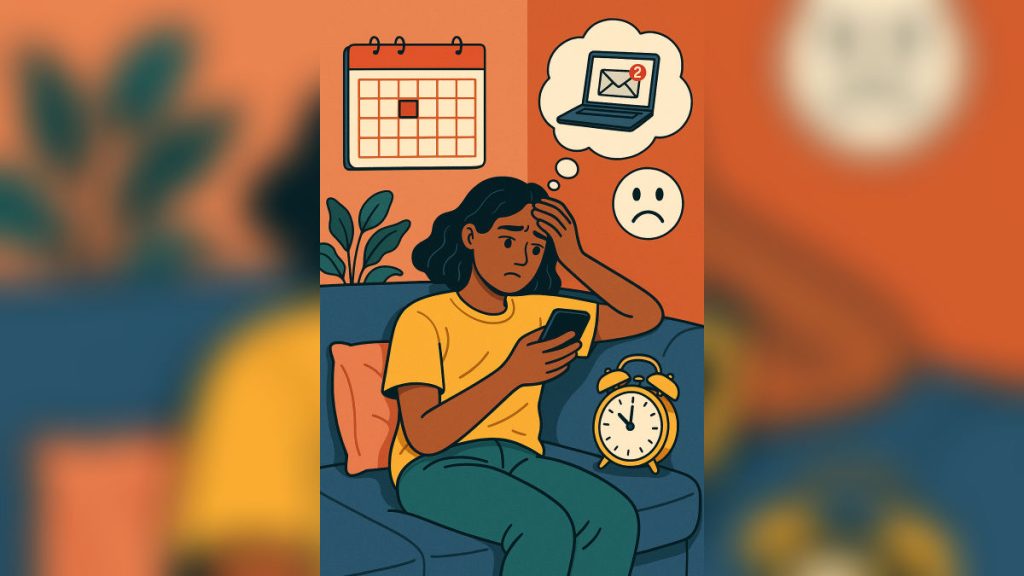
Short answer: The Sunday Scaries are anticipatory anxiety about the week ahead, and they hit Gen Z hardest because of hustle culture, blurred remote work, and weekends spent on side hustles instead of rest. The fix is a low-stim Sunday routine, naming your triggers, planning Monday in 15–20 minutes, and reframing how you talk to yourself about the week.
Sunday evening rolls around. The sun starts to drop, and with it comes a creeping unease. You’ve had a relaxing weekend — or tried to — and yet a weight settles in your chest. You’re not alone. This rising tide of anxiety has a name: the Sunday Scaries. And for Gen Z, navigating an era of constant connectivity, job uncertainty and self-imposed productivity pressure, the Scaries can hit unusually hard.
Let’s break down what this thing actually is, why it happens, and how Gen Z can claw back their Sundays — and their mental peace.
What are the Sunday Scaries?
The “Sunday Scaries” describe that anxious, restless feeling that sneaks in during the back half of Sunday, right before a new work or school week starts. It’s anticipatory anxiety — stress about things that haven’t even happened yet.
Symptoms of the Sunday Scaries
- A sense of dread or doom
- Difficulty sleeping or falling asleep
- Restlessness, irritability, or intrusive thoughts
- Physical symptoms like stomachaches, headaches, or fatigue
- Obsessive planning or procrastination around Monday’s tasks
Most of the time, this isn’t about hating your job or school outright. It’s the mental weight of what’s coming — deadlines, meetings, expectations, all the small known unknowns piling up.
Why are the Sunday Scaries so common among Gen Z?
Gen Z is no stranger to mental health discourse. They’re often credited with normalising conversations around anxiety, depression and burnout. But awareness doesn’t equal immunity.
1. The 24/7 Hustle Culture
Gen Z is constantly bombarded by messages that glorify hustle, productivity and “making every second count.” Social media doesn’t help. It’s hard to enjoy your Sunday when you’re watching influencers bullet-journal, meal-prep and run 10Ks at dawn.
2. Work-Life Blur
Remote work and online classes have smudged the line between weekday and weekend. Many young people admit to checking emails or Slack on Sundays, just to “get ahead.” Ironically, this only ramps the pressure up and feeds burnout.
3. Lack of Time to Recharge
For students and young professionals, weekends often turn into a checklist of errands, social obligations, family duty calls, and yes, side hustles. By Sunday evening there’s barely any energy left to mentally prepare for another demanding week.
How do I stop the Sunday Scaries? A Gen Z toolkit
Beating the Scaries isn’t about ignoring them. It’s about managing them with intention. Here are some grounded strategies Gen Z can fold into their Sundays to soften the dread.
1. Identify Your Triggers
Self-awareness is half the battle. Are you nervous about a 1:1 with your manager? Dreading a test you haven’t studied for? Feeling disconnected from your goals?
Tip: Try journaling on Sunday afternoons. Write down what’s bothering you, then separate what you can control from what you can’t. Naming the anxiety is often what starts to shrink it.
2. Create a Relaxing Sunday Routine
Your Sunday shouldn’t feel like a stressful countdown to Monday. Carve out time for rituals that ease you out of the weekend instead of crash-landing you into the new one.
Suggestions:
- Take a nature walk or spend time outdoors
- Cook a nourishing meal for yourself or with friends
- Try a digital detox: no emails or doomscrolling after 6 p.m.
- Listen to calming music or a low-stakes podcast
- Practise meditation, breathwork or gentle yoga
Personal note: I started doing “low-stim Sundays” — no screens, no loud music, no caffeine — and it made Monday mornings feel a lot less jarring.
3. Plan for Monday, but Don’t Obsess
Spending 15–20 minutes organising your week can shrink the unknowns that fuel anxiety.
Try this:
- Write down your top 3 priorities for the week
- Block time for rest and non-negotiable breaks
- Lay out your outfit, pack your bag, prep your breakfast
Remember: planning is meant to empower you, not bury you. Don’t fall into the trap of spending all of Sunday obsessing over the week ahead.
4. Shift Your Mindset
The way you think about Monday directly affects how you feel on Sunday.
Reframe your inner dialogue:
- “I’m dreading this week” → “I’m going to take things one step at a time.”
- “I never get enough done” → “I’m doing my best with what I have.”
- “I hate Mondays” → “Monday is a fresh start.”
Gratitude journaling, or simply jotting down three things you’re looking forward to, can shift you from dread to calm anticipation.
5. Connect with People Who Get It
You’re not the only one feeling this way. Whether it’s texting a friend to vent, sharing memes about Sunday blues, or starting a low-key Sunday book or movie club — knowing other people get it is grounding. Community shrinks the isolation that amplifies anxiety.
6. Seek Professional Help if Needed
If the Sunday Scaries become debilitating, or start spilling into other days of the week, it’s okay to ask for help. Therapists and counselors can help you dig into the root causes — burnout, work dissatisfaction, unresolved trauma, chronic anxiety. There’s strength in seeking support. According to the American Psychological Association, Gen Z reports higher levels of stress than any other generation, especially around work and uncertainty. Getting help isn’t weakness. It’s wise.
Redefining what Sundays mean to you
The Sunday Scaries don’t have to dominate your weekend. By introducing structure, practising self-compassion and creating rituals that centre you, you can take Sundays back as a day of restoration — not dread. Think of it this way: you wouldn’t judge your phone for needing to charge before a busy week. So why judge yourself?
Letting go of the pressure to “have it all together”
It’s okay to feel nervous about the week ahead. It’s okay to not be fully rested. It’s okay if your self-care isn’t aesthetically pleasing or Instagram-worthy. What’s not okay? Believing you’re the only one struggling.
The Sunday Scaries are real, but they’re manageable. By taking small, intentional steps each week, you can transform your Sundays from a source of stress into a sanctuary of softness, self-reflection and quiet strength.
So next Sunday, ask yourself not “What do I have to do?” but “What would make me feel good right now?” Start there.
FAQs about the Sunday Scaries
What causes the Sunday Scaries?
The Sunday Scaries are driven by anticipatory anxiety — your brain reacting to a perceived threat that hasn’t happened yet. For Gen Z, hustle culture, remote-work blur and packed weekends amplify this dread on Sunday evenings.
How do I stop feeling anxious on Sunday nights?
Build a low-stim Sunday routine: avoid screens after 6 p.m., spend 15–20 minutes planning Monday, journal your worries, and try meditation or a walk. Reframing your inner dialogue about Monday also helps.
Are Sunday Scaries a sign of burnout?
Sometimes, yes. If the dread spills into other weekdays or feels debilitating, it can signal burnout, work dissatisfaction or chronic anxiety. The American Psychological Association notes Gen Z reports the highest stress levels of any generation, often work-related.
Does planning Monday help with Sunday anxiety?
Yes — but only if you keep it short. 15–20 minutes is enough to set your top 3 priorities, lay out your outfit, and pack your bag. Going longer often turns useful prep into anxious obsession.
When should I see a therapist for Sunday Scaries?
If the Scaries last all week, disrupt your sleep regularly, or stop you from functioning at work or school, it’s time to see a therapist. Persistent anticipatory anxiety can be treated with CBT and other evidence-based approaches.