
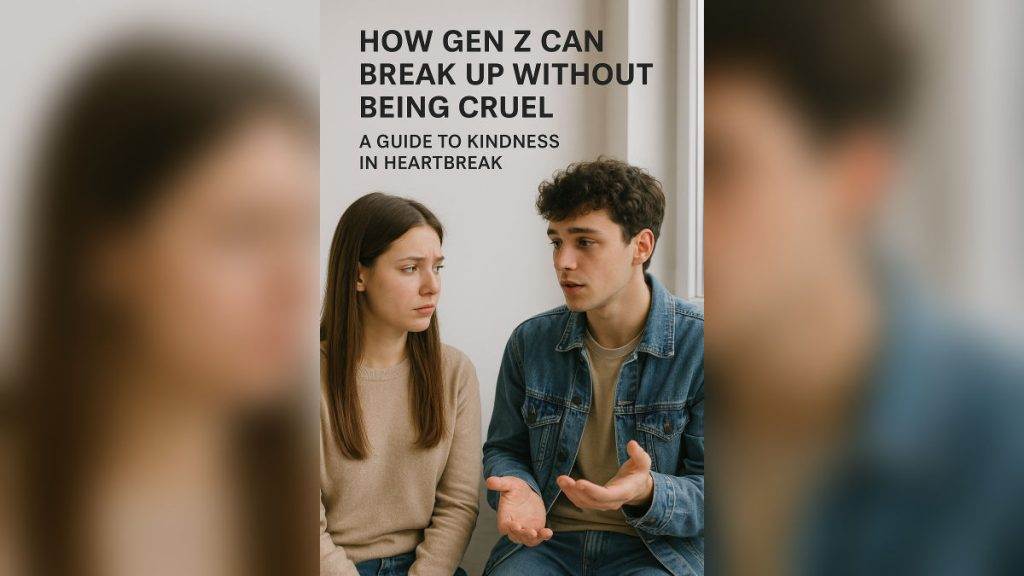
Short answer: A kind breakup is direct, honest and delivered in person where it’s safe to do so. Use “I” statements, focus on incompatibility rather than criticism, avoid false hope phrases like “maybe one day,” and prepare to hold space for the other person’s emotions without compromising your decision. Research from Fisher, Aron and Brown (Journal of Neurophysiology, 2010) shows the brain processes romantic rejection like physical pain, so empathy isn’t optional.
Breaking up is never easy. Whether it’s a months-long relationship or something that never quite had a label, parting ways with someone who once meant something to you carries emotional weight. For Gen Z, who are navigating relationships in an age of heightened emotional awareness, digital intimacy and social pressure, the challenge isn’t just about ending things, it’s about ending them kindly.
In a generation that values authenticity, emotional intelligence and mental health, ghosting or vague “we need to talk” texts just don’t cut it. So how do you walk away from a relationship without leaving someone shattered in the process?
Here’s how Gen Z can end relationships with compassion, honesty and dignity, without being cruel.
Why does kindness matter in a breakup?
Breakups are emotional events. Studies have shown the brain reacts to romantic rejection in the same way it responds to physical pain (Fisher, Aron, & Brown, Journal of Neurophysiology, 2010). That doesn’t mean you have to stay in a relationship that no longer serves you. But it does mean you owe the other person a respectful exit.
A kind breakup doesn’t mean sugarcoating or avoiding the truth. It’s about delivering honesty wrapped in empathy, and ensuring both parties leave with their dignity intact.
How do you start the conversation honestly?
Do it in person if it’s safe
If you’re in the same city and safety isn’t an issue, break up face-to-face. Verywell Mind recommends doing so in a private, quiet place where both people can speak openly. Public breakups or texts might feel like the easy route. They often leave the other person blindsided and hurt.
If an in-person conversation isn’t possible, a video call is better than a disappearing message or sudden silence.
Use “I” statements
Framing your words around your own perspective helps reduce blame and defensiveness. Try things like:
- “I’ve realised I’m not in the emotional place to give this relationship what it deserves.”
- “I feel like our goals are starting to head in different directions.”
It makes a real difference. You’re not telling them they’re the problem, you’re explaining how you feel, which is less likely to trigger emotional retaliation.
Don’t give false hope
Be direct. Avoid ambiguous phrases like “maybe one day” or “you deserve better.” They might feel kind in the moment, but they leave the other person confused and holding on. Clarity is kindness.
How do you explain it without blame?
Focus on compatibility, not criticism
You’re not there to list everything they did wrong. This isn’t an exit interview. A breakup conversation should never be a laundry list of character flaws. Instead, point to how your needs or visions for the future aren’t aligned.
“You’re an amazing person, but I’ve realised we’re looking for different things.”
That simple sentence respects them while affirming your decision.
Acknowledge what was good
It’s okay to recognise the moments that made the relationship meaningful. Saying, “I really appreciated your support during my finals,” or “I loved how you made me laugh on bad days,” helps create a soft landing, even as things come to a close.
How do you handle the emotional fallout?
Expect an emotional response
Breaking up may feel like ripping off a bandage. But the other person might not be on the same page. They may cry, get angry, or beg for another chance. Be prepared to hold space for that, without compromising your boundaries.
Try responses like:
- “I hear how upset you are, and I didn’t make this decision lightly.”
- “I understand you’re hurting, but this is something I need to do for both of us.”
Don’t engage in debates
If they argue or try to talk you out of it, stay calm and firm. A breakup isn’t a negotiation. Repeating yourself gently, without getting drawn into circular arguments, protects your peace.
Remember: “No” is a complete sentence.
Define boundaries moving forward
It’s tempting to say “let’s still be friends” in the heat of the moment. But unless you genuinely mean it, and believe it’s healthy for both of you, don’t say it. It’s okay to ask for space or even go no-contact for a while.
Being honest about the need for distance helps both parties heal.
How do you heal afterwards?
Allow yourself to grieve
Even if you were the one who initiated the breakup, you’re allowed to mourn. Loss is loss. Give yourself permission to feel sadness, relief, guilt, or anything in between.
A 2022 Psychology Today article reminds us that breakups are a form of grief, and suppressing those feelings only delays healing.
Lean on your support system
Talk to friends. Cry to your cousin. Vent in a journal. Or better yet, talk to a therapist if it feels too heavy. There’s strength in seeking support, and processing emotions in a healthy way can prevent emotional baggage from leaking into future relationships.
Reclaim your energy
Focus on self-care. Eat well, move your body, sleep deeply, and indulge in things that bring you joy. Whether it’s learning a new skill, going on solo walks, or finally starting that digital art portfolio, pour your energy into healing and growth.
Real talk: breakups aren’t meant to be perfect
Let’s be real. No breakup is entirely painless. But that doesn’t mean it has to be messy or mean-spirited. Gen Z has the emotional tools and language to handle endings with grace. And while it may feel easier to ghost or send a vague message, choosing kindness creates closure for both of you.
You won’t always be remembered for the flowers or the cute date nights. But you will be remembered for how you handled the goodbye.
The courage to end kindly
Ending a relationship takes guts. Ending it with compassion takes maturity.
Kind breakups aren’t about pretending it didn’t hurt or trying to be a hero. They’re about honouring what you had, being clear about what you need, and letting go in a way that leaves both people whole rather than wrecked.
So the next time you feel a relationship slipping into incompatibility, don’t delay the hard conversation. Don’t ghost. Don’t sugarcoat.
Speak from the heart. Be honest. Be kind.
Because how you leave says just as much about you as how you love.
FAQs about breaking up kindly
How do you break up with someone without being mean?
Choose direct, honest language delivered in person where safe. Use “I” statements, focus on incompatibility rather than character flaws, and acknowledge the good parts of the relationship. Avoid vague phrases like “maybe one day” because false hope is its own kind of cruelty.
Is it ever okay to break up over text?
Generally no, unless safety is a concern or distance makes in-person impossible. In those cases, a video call is the next-best option. A disappearing message or sudden silence (ghosting) leaves the other person blindsided and is one of the things Gen Z has rightly pushed back against.
What should you not say during a breakup?
Skip false-hope phrases like “maybe one day” or “you deserve better,” and avoid laundry lists of everything they did wrong. Don’t promise to stay friends unless you genuinely mean it. Clarity, not vagueness, is what makes the conversation kind.
How do you cope when someone reacts badly to a breakup?
Hold space for their feelings without compromising your decision. Try lines like “I hear how upset you are, and I didn’t make this decision lightly.” Stay calm, repeat yourself gently, and remember that a breakup isn’t a debate to be won.
How long does it take to heal from a breakup?
There’s no fixed timeline. A 2022 Psychology Today article frames breakups as a form of grief, and suppressing the feelings only delays healing. Lean on friends, family, or a therapist, focus on self-care, and give yourself permission to feel sad, relieved, guilty, or all three at once.