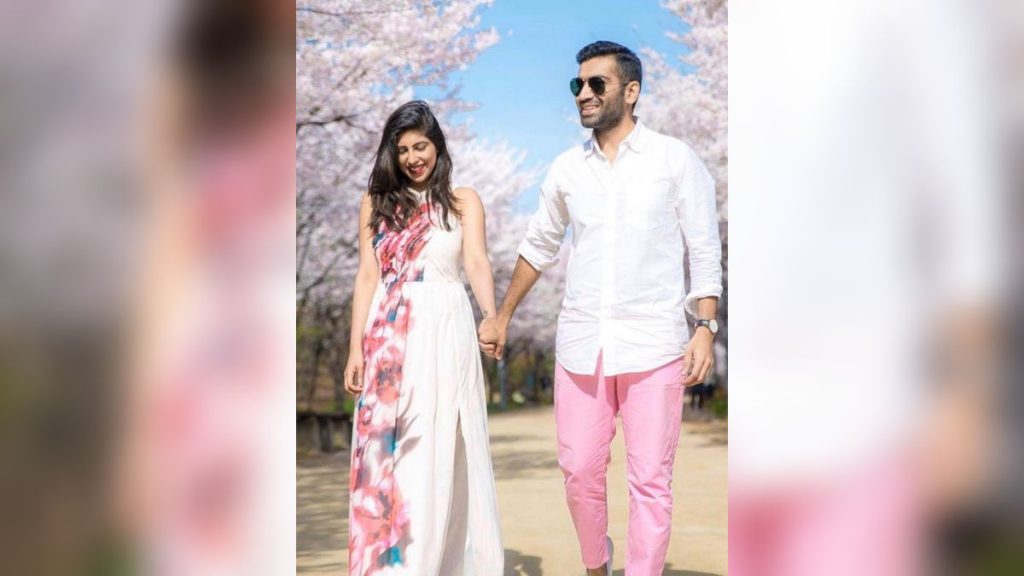
Short answer: Savi Munjal and Vidit Taneja, the Delhi couple behind Bruised Passports, started blogging in 2013 and went full-time by 2015. They’ve since visited 100+ countries, written a HarperCollins book (2022), launched Label Bruised Passports in 2025, and become PONANT’s first Asian brand ambassadors. Pioneers of slow travel content in India, equally loved and called out for being a bit too curated.
When wanderlust met love
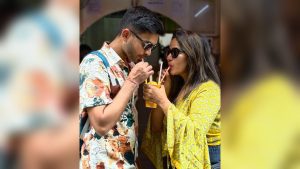
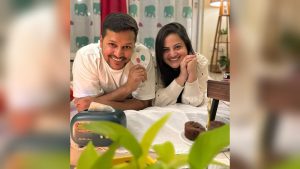
Long before travel reels were a thing, before “creator economy” was a phrase anyone used at dinner parties, Savi Munjal and Vidit Taneja were already on the move. Better known as Savi & Vid of Bruised Passports, the duo started as high-school sweethearts in Delhi. What began as young love became a global story, and eventually one of India’s most recognisable travel brands, blending luxury travel, immersive culture, and modern romance.
Their stunning visuals and slow-burn guides built Bruised Passports into a small empire. But beneath the glittering resorts and scenic road trips sits something less photogenic, a decade of risk, reinvention, and a lot of late-night writing.

From side hustle to signature brand
How did Savi and Vid start?
Their story didn’t begin on a beach in Bali or under Icelandic skies. It started in the corridors of a New Delhi school. As teenagers they bonded over books and art, and then over a shared, quiet curiosity about places they hadn’t seen yet. After college and a few years in corporate jobs, Savi in London, Vid in Delhi, the itch wouldn’t go away.
In 2013, they launched Bruised Passports, a side project for weekend getaways. Wanderlust does this thing where it stops being a hobby. By 2015 they’d quit their jobs, cashed in years of savings, and gone all in.
“We wanted to explore the world on our terms,” Savi wrote in a reflective blog post, “and more importantly, we wanted to tell stories that made people feel something.”

Building the Bruised Passports universe
Blog, book, brand
At its heart, Bruised Passports is a digital journal. The blog reads like a chat with old friends who’ve worked out how to pack smart, travel slow, and find beauty in small encounters. From packing cubes to vegan eats in Vietnam, the posts mix utility with personality.
In 2022, they published “Bruised Passports: Travelling the World as Digital Nomads” via HarperCollins. The book is candid about the leap from desk jobs to desert dunes, with practical advice, financial planning bits, and a few philosophical detours.
Then in 2025, they pushed further, launching Label Bruised Passports, a luxe travel accessory line for the modern nomad. Backpacks, passport holders, organisers (founded out of years of personal frustration with what was on the market, apparently). Stylish, but built to actually work.
Where the magic unfolds: social media
With over 1.2 million Instagram followers, @bruisedpassports is a masterclass in visual storytelling. Safari sunrises in Africa. Snow-drenched cabins in Lapland. Always framed in those rich, romantic tones their feed is known for.
Their cinematic reels aren’t just montages, they’re love letters to places, layered with music, slow-motion shots and quiet narration. Vid, the man behind most of the camera work, calls his approach “seeing life through rose-tinted lenses,” with Savi as muse and co-pilot.
Slow travel, with soul
Savi and Vid aren’t checklist travellers. They’ve built their brand around slow travel, lingering in places, soaking in local rhythms, tweaking the itinerary on the go. They’ve crossed 100 countries, often without fixed bookings, leaning on local recommendations and the odd unplanned detour.
Their blog pushes mindful exploration, openly against the do-it-for-the-gram churn. They write about travel’s intersection with gender roles and education, eco-conscious choices too. They’ve supported a school in Rajasthan, weaving philanthropy into the travelling life. The whole approach asks readers to not just see the world but to feel it, whether that’s learning a Moroccan dish, riding a camel in Rajasthan, or sitting alone in the Arctic and listening to nothing.

Public praise and growing pains
Admired for aspirational aesthetics
The success didn’t go unnoticed. From National Geographic Traveller to Discovery Channel, their work has been featured across major outlets. In 2023, they made history as the first Asian brand ambassadors for luxury cruise liner PONANT, a real cementing moment in global luxury travel. They’ve also taken home accolades from Travel + Leisure, Outlook Traveller, and other industry names.
Criticism: when picture-perfect feels distant
No digital empire escapes scrutiny. While many love the dreamy aesthetic and enviable lifestyle, others find their content “too perfect, too curated.”
“They were pioneers, sure. But I stopped following them when it started feeling more like a magazine spread than real life,” one Reddit user shared.
The recurring critiques sound something like this:
- Lack of relatability: Their journey from middle-class professionals to high-end globetrotters can feel disconnected from the average Indian traveller.
- Polished to a fault: Critics argue the visuals, while stunning, often skip past deeper cultural commentary or the boring-but-useful stuff like visa tips and budget hacks.
- Elitism: Their luxury stays and homes in Delhi, Dubai and London create a sense of exclusivity that some say sits uneasily with the early “everyday couple” branding.
Still, these tensions aren’t unique to them, they’re the running fault line of modern influencer culture, where relatability and aspiration walk a tightrope.
Why Savi and Vid still matter
Digital pioneers, lifestyle architects
Mixed reviews aside, Savi and Vid remain one of the most influential Indian travel duos of the last decade. They weren’t just early, they were architects of the genre, the people who showed that travel blogging could be a real, viable, creative profession instead of a hobby with extra steps.
And they’ve evolved with it. From content creators to multi-platform entrepreneurs, proving that consistency, brand clarity, and emotional storytelling can actually carry a sustainable digital career.

Final take: the legacy of Bruised Passports
Savi and Vid’s journey is more than a timeline of flights and photos. It’s about leaving stability behind, the awkward vulnerability of telling your story to strangers, and the joy of sharing a world of wonder with people who’ll never meet you in person.
Their content won’t resonate with everyone, and that’s fine. In an online world drowning in sameness, Bruised Passports dares to curate beauty unapologetically, criticism and all. They’ve shown that passion, when chased properly, can blur the lines between work and play, home and the horizon.
So whether you’re planning your first solo trip, dreaming of turning your camera into a career, or just craving a break from the ordinary, Savi and Vid’s journey offers one enduring message: the world is wide, love is powerful, and with the right vision, even bruises can tell beautiful stories.
FAQs about Savi and Vid of Bruised Passports
Who are Savi and Vid of Bruised Passports?
Savi Munjal and Vidit Taneja are a Delhi-based travel-content couple who run the blog and Instagram brand Bruised Passports. They were high-school sweethearts who launched the blog in 2013 and went full-time in 2015.
How many countries have Savi and Vid travelled to?
They’ve travelled to over 100 countries, often without fixed bookings, leaning on local recommendations and slow-travel itineraries.
Did Savi and Vid write a book?
Yes. They published Bruised Passports: Travelling the World as Digital Nomads with HarperCollins in 2022. It covers their transition from corporate jobs to full-time travel, with practical financial and lifestyle advice.
What is Label Bruised Passports?
Launched in 2025, Label Bruised Passports is their travel accessory line, featuring backpacks, passport holders and organisers designed for the modern nomad.
Why do some people criticise Bruised Passports?
Critics say their content is too curated and aspirational, with luxury stays in Delhi, Dubai and London making it feel disconnected from the average Indian traveller. Others say the polished aesthetic sometimes skips practical travel info like visas and budgets.