

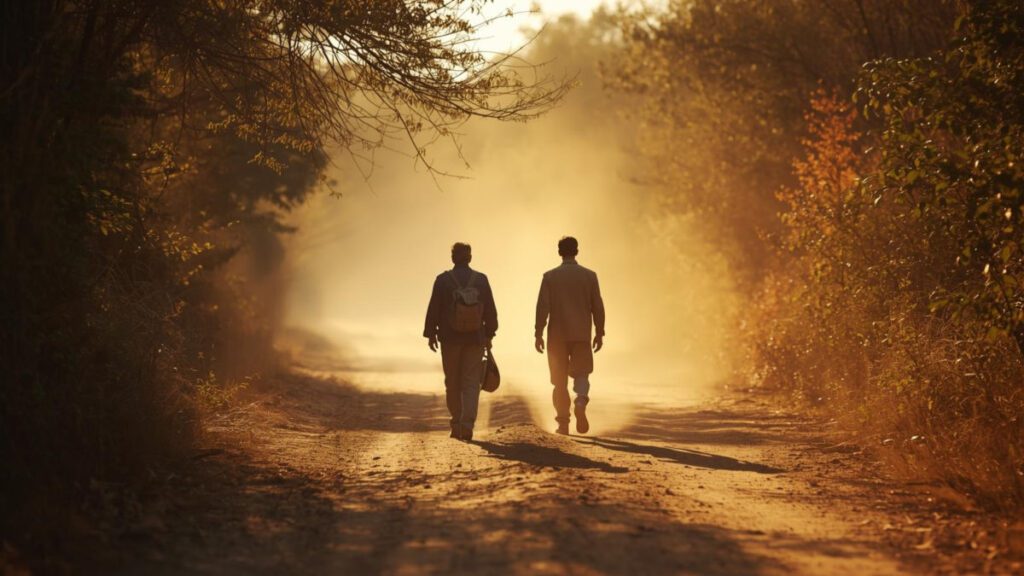
Short answer: Stories from strangers while traveling outlast monuments because they reveal unedited human lives. A Quechua weaver in Peru, a quiet host in Japan, a vendor in Marrakech, a family in rural India. Research in the Journal of Travel Research shows meaningful local interactions raise empathy and cultural intelligence more than long study alone.
Travel is often described as a journey to places, but sometimes the most lasting journeys are into people. Strangers whose lives intersect with yours for a fleeting moment, yet leave an imprint. Across cultures and continents, travelers consistently report that the memories that stay with them are rarely about landmarks or selfies. They are about human connection.
How can a single conversation reveal the breadth of humanity?
In a remote village in Peru, travelers often recount meeting Quechua farmers who, despite speaking limited Spanish, share stories of their ancestors, weaving history and personal memory into a single conversation. One traveler described sitting beside an elderly woman weaving traditional patterns into a blanket. She spoke of her grandmother teaching her the symbols centuries old, each representing natural elements, animals, and life lessons. For the visitor, the blanket was more than fabric. It became a living story, a portal into a culture and a way of seeing the world entirely different from their own.
In Japan, travelers often speak of the quiet generosity of strangers. In small towns, even when communication is challenging, locals offer food, directions, or shelter. These acts of kindness are not transactional but relational, grounded in a culture that values hospitality and respect for the visitor. Researchers in social psychology note that such unexpected acts from strangers can trigger what is called a “prosocial contagion,” where witnessing or receiving kindness enhances one’s own empathy and willingness to act generously in the future.
What life lessons do strangers share in unexpected places?
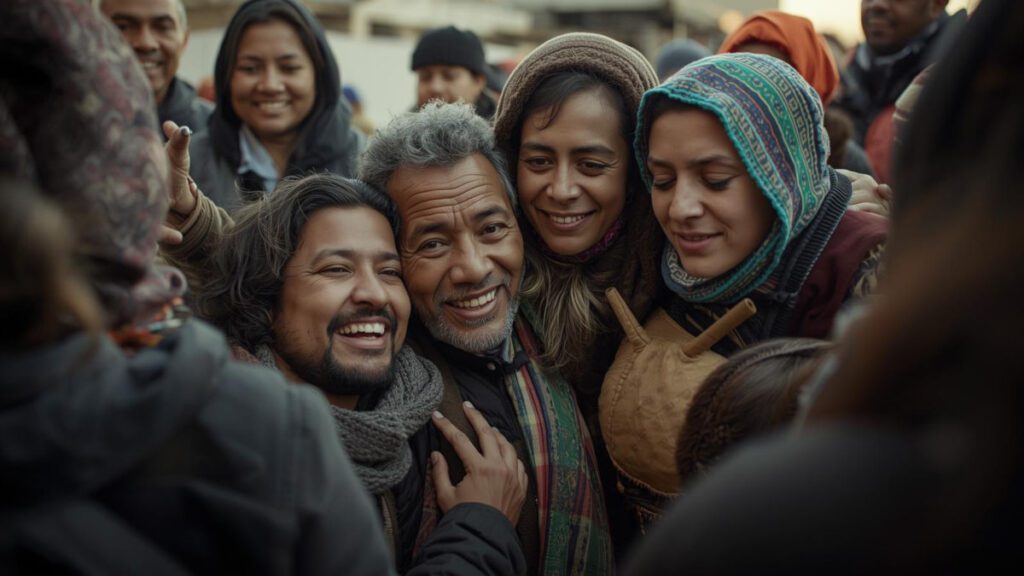
Strangers met while traveling often share wisdom forged through hardship. In the markets of Marrakech, street vendors discuss family, migration, and the balance of tradition and modernity. Travelers report being struck by resilience: people making a living through creativity and persistence in environments far removed from their own. These encounters are a reminder that struggle and perseverance are universal human experiences. Anthropologists studying market communities emphasize that such informal interactions are a rich source of oral history and cultural transmission, often more candid and authentic than what is found in museums or guidebooks.
In rural India, travelers recount the warmth of families who invite them into their homes for a meal. Sharing bread and curry with strangers becomes a lesson in humility, trust, and openness. For many, these small acts of generosity redefine their understanding of wealth and happiness, less about material accumulation and more about shared human experience.
Why are stranger encounters so transformative?
What makes these stories powerful is their lasting impact on the traveler. Unlike guidebooks or curated experiences, encounters with strangers reveal the unpredictable, unedited reality of human life. They challenge assumptions, dissolve cultural stereotypes, and provide perspective on one’s own life. A study in the Journal of Travel Research found that meaningful interactions with locals during travel significantly enhance a traveler’s sense of empathy and cultural intelligence, sometimes more than extended study or immersion in the region.
Travelers often return home changed, not only with souvenirs but with a deeper understanding of connection, resilience, and the shared human condition. They recall the quiet conversations, the shared laughter despite language barriers, and the generosity offered without expectation. These are the moments that define travel: brief intersections where lives touch, leaving an indelible mark.
What do stories from strangers teach us in the end?
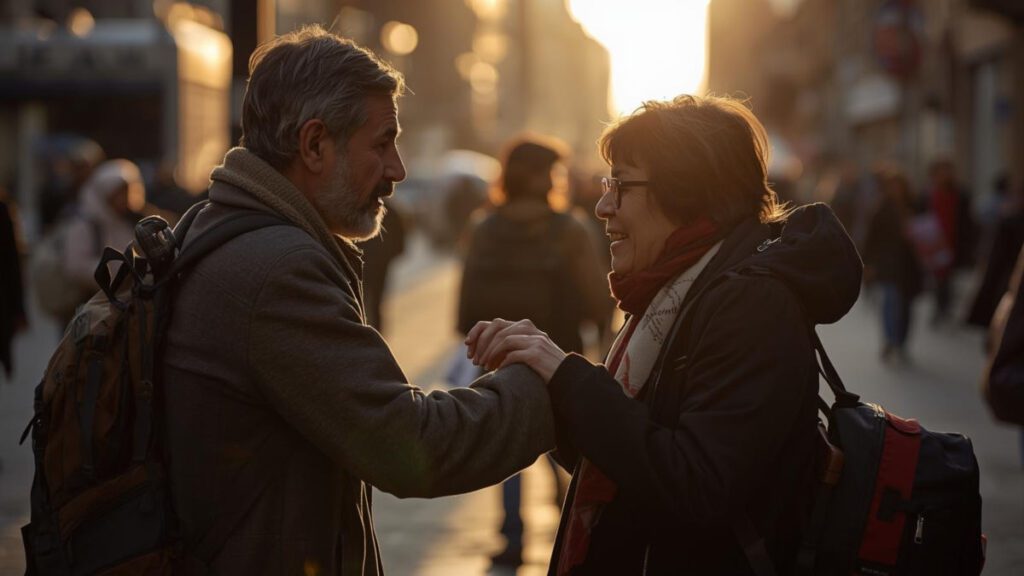
Stories from strangers met while traveling are more than anecdotes. They are lessons in humanity. They remind us that the world is filled with perspectives, struggles, and joys that exist beyond our own experience. Every journey has the potential for such encounters, if we approach it with curiosity, openness, and respect. In the end, it is not the monuments or landscapes we remember most vividly. It is the people who reveal the vast spectrum of human life, even if only for a moment.
FAQs about stories from strangers while traveling
Why do travelers remember strangers more than landmarks?
Strangers reveal the unpredictable, unedited reality of a place. A conversation with a Quechua weaver or a Japanese shopkeeper carries emotional weight that a photo of a monument rarely does. Human connection encodes memory more deeply than scenery.
What is “prosocial contagion” and how does it happen while traveling?
Social psychologists describe prosocial contagion as the effect where witnessing or receiving kindness from a stranger raises your own empathy and willingness to act generously. Small acts of hospitality abroad often spark it.
Does meeting strangers while traveling really change you?
A study in the Journal of Travel Research found that meaningful interactions with locals significantly enhance empathy and cultural intelligence, sometimes more than long-term study or immersion. Travelers often return home with shifted priorities.
How do I meet strangers respectfully while traveling?
Approach with curiosity, openness, and respect. Accept meals when offered in places like rural India, listen to vendors in markets like Marrakech, and let silence carry weight in cultures like Japan. Reciprocity and patience matter more than shared language.
What do markets like Marrakech teach travelers?
Vendors discuss family, migration, and the balance of tradition and modernity. Anthropologists consider these informal market conversations a rich source of oral history and cultural transmission, often more candid than guidebooks or museums.