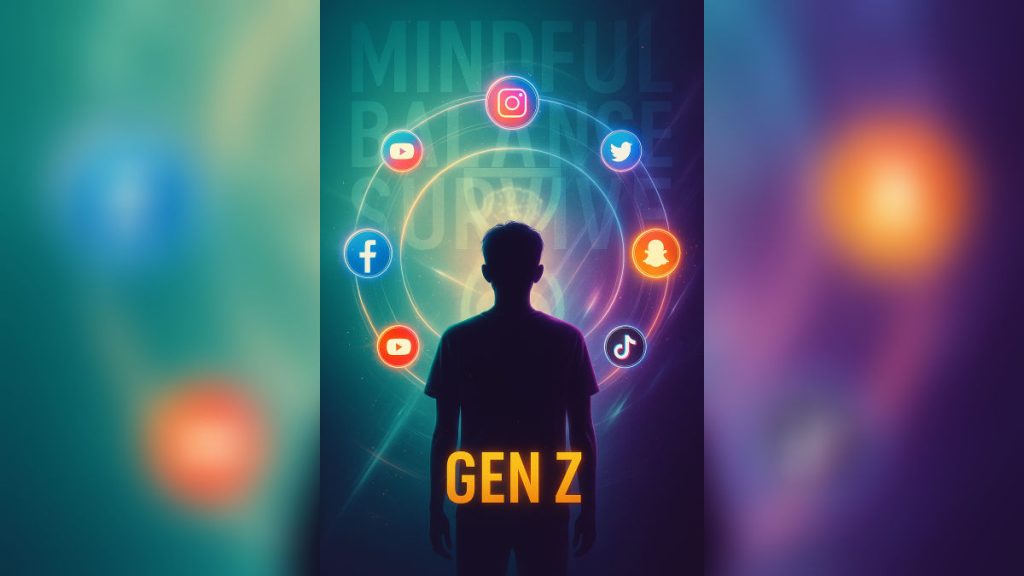
Short answer: Mindful media consumption is the practice of using technology with intention, choosing what you watch, read, and scroll through based on how it affects your mood and focus. According to a 2023 Pew Research report, 64% of Gen Zers feel overwhelmed by constant digital engagement, and the average Gen Z user spends about 7 hours a day online. Curating your digital diet, setting screen-time limits, and avoiding screens before bed can reduce anxiety, FOMO, and burnout.
Notifications won’t stop. Your thumb keeps moving. Information is constant, and the infinite scroll has turned modern media into a mental minefield, curated images, anxiety-soaked news cycles, the unspoken pressure to stay always online. Gen Z grew up in it. Honestly, it’s exhausting.
But there’s another way. Mindful media consumption isn’t about quitting Instagram or ditching your favourite YouTuber. It’s using technology with intention, a small shift that can quietly reorganise your focus and mental health.
What is mindful media consumption?
What it really means
Mindful media consumption isn’t a buzzword, it’s a life skill. It means engaging with media deliberately, choosing what you watch and read based on how it affects your mind and mood.
Unlike passive scrolling, which leaves you drained or vaguely dissatisfied, mindful consumption puts you back in charge. It’s pausing before opening an app and asking, “Why am I opening this?” or “Is this adding anything to my day?”
How do you cultivate self-awareness about your media habits?
Listen to your inner compass
Start with your emotional responses. Does a certain influencer leave you feeling inspired or inferior? Does doom-scrolling the news leave you informed, or just anxious?
Apps like Mindful or One Sec interrupt autopilot, prompting you to pause before opening high-use apps. Small intervention. Surprisingly powerful.
Personally, I realised checking Twitter before bed gave me racing thoughts and a knot in my stomach. I swapped it for reading, and my sleep thanked me.
How do you curate a healthier digital diet?
What you feed your mind matters
Like food, the media you consume shapes your mental and emotional state. Be intentional about what you “feed” your brain.
- Choose quality over quantity. One sharp podcast episode or long-read often beats hours of random TikToks.
- Diversify your sources. If your feed looks like an echo chamber, follow creators and publications from different backgrounds, beliefs and countries. It widens your worldview and trims your bias.
- Unfollow toxic content. If an account constantly triggers comparison, anxiety or outrage, hit unfollow. Your peace > their aesthetics.
How do you set healthy screen boundaries?
You control the tech, not the other way around
Digital burnout is real. According to a 2023 Pew Research report, 64% of Gen Zers say they feel overwhelmed by constant digital engagement. The fix? Boundaries.
- Set screen-time limits. Use the built-in tools on your phone to cap daily time on the apps that eat the most of you.
- Schedule digital detoxes. Take a weekend or evening offline. Reconnect with nature, people, or hobbies that don’t glow blue.
- No screens before bed. Studies show that screen exposure before sleep disrupts melatonin production, making it harder to fall, and stay, asleep. Try logging off at least an hour before bedtime.
These aren’t restrictions, they’re acts of self-care.
How do you engage with media intentionally?
Be an active, not passive, participant
Mindful consumption is also about how you interact. Instead of just consuming, engage. Leave thoughtful comments. Ask questions. Use your voice.
And maybe most importantly, be authentic. Post content that reflects you, not what you think the algorithm wants. The chase for likes shouldn’t outweigh your truth.
How do you avoid the comparison trap?
Social media isn’t real life
Let’s be honest. What you see online is usually a highlight reel. Curated photos, airbrushed bodies, vacation pics taken in personal chaos, par for the course.
Comparison steals joy. Every minute spent measuring your life against someone else’s filtered version is wasted.
Instead:
- Focus on your own journey.
- Celebrate your progress.
- Remember that what’s posted isn’t the full story.
As Gen Z influencer Emma Chamberlain once said, “You never know what’s going on behind the scenes. Don’t idolize what you don’t fully understand.”
How do you build a kinder digital culture?
Be the change in your feed
Your digital presence carries weight. Every post and share shapes the tone of online communities. Choose kindness. Respect different views.
- Verify before sharing. Misinformation moves fast, and Gen Z plays a key role in slowing it down.
- Report harmful content. Push back against bullying, racism, or toxic trends.
- Be the person you’d want to scroll past. Whether it’s a motivational post, a useful resource or a light-hearted meme, add value, not noise.
Why does mindful media use matter so much in 2025?
The average Gen Z user spends about 7 hours a day online. Nearly one-third of your life. What you consume shapes how you think, what you believe, how you feel about yourself.
By practising mindful habits, you can:
- Reduce anxiety and FOMO
- Improve sleep and concentration
- Strengthen real-world relationships
- Deepen your sense of purpose
It’s not about disconnecting. It’s about reconnecting with yourself.
Choose your scroll wisely
In an age of endless content, your attention is currency. Every scroll, click and tap is a vote for the content that gets amplified. So vote wisely. Choose creators who nourish your mind. Engage with media that makes you feel more you.
Because media can either consume us, or be a tool for growth, empathy, and connection. The power is in your hands. Be mindful. Be present.
FAQs about mindful media consumption
What is mindful media consumption?
Mindful media consumption is the practice of engaging with media deliberately, choosing what you watch, read and scroll through based on how it affects your mood, focus and emotional well-being. It’s the opposite of passive scrolling.
How much time does the average Gen Z user spend online?
The average Gen Z user spends about 7 hours a day online, which is nearly one-third of waking life. That much exposure shapes thoughts, beliefs and self-image, which is why intentional habits matter so much.
How can I reduce screen time before bed?
Studies show screen exposure before sleep disrupts melatonin production. Try logging off at least an hour before bedtime, swap screens for reading or journaling, and use built-in screen-time tools on your phone to cap late-night app use.
What apps help with mindful media use?
Apps like Mindful and One Sec interrupt autopilot scrolling by prompting you to pause before opening high-use apps. Most phones also have built-in screen-time limits and app timers to help you stay accountable.
How does mindful media consumption help mental health?
Practising mindful habits reduces anxiety and FOMO, improves sleep and concentration, strengthens real-world relationships, and deepens your sense of purpose. It also lowers digital burnout, which 64% of Gen Zers reported in a 2023 Pew Research study.