
Short answer: The wired world of 2025 is ambient, neural, and always on. From smart homes that read your mood to brain-computer interfaces from Neuralink, Synchron and PrecisionBCI, technology has moved from a tool to a partner. The real question is not whether we are connected, but who controls the wire and what it costs us.
The world has never been more connected, or more dependent. In 2025, being wired does not just mean having internet access. It means being part of a living digital organism that evolves every day.
Smart homes, wearable AI, neural interfaces and virtual economies have reshaped daily life. Technology is now a partner in human progress, but that partnership brings hard questions about control, privacy and the cost of constant connection.
The wired world we built to free us is the one we now have to learn to live responsibly inside.
What is the ambient internet?
The internet of 2025 is not confined to screens. It is ambient, woven into walls, cars, clothes and conversations. Devices respond to gestures, voice and context, often without a visible interface.
AI assistants anticipate needs before people voice them. Your fridge knows your dietary goals. Your car syncs with your calendar. Your home lighting adjusts to your stress levels. Convenience has become second nature.
The invisible internet brings invisible risks. The same systems that predict preferences also record patterns. Privacy has shifted from a personal right to a strategic defence. The question is no longer whether we are being watched, but by whom and for what purpose.
How did devices become ecosystems?
Five years ago, owning multiple gadgets meant juggling separate ecosystems. Today, Apple, Google and Samsung have turned integration into an art form. Your smartwatch tracks sleep, your laptop predicts your workflow, and your phone bridges your entire digital identity. We no longer use technology, we exist within it.
Integration raises the issue of monopoly. As ecosystems get smoother, users get more locked in. The convenience of connection often costs the freedom to choose. Being wired in 2025 is about negotiating that balance between unity and autonomy.
How are neural interfaces connecting brains and machines?
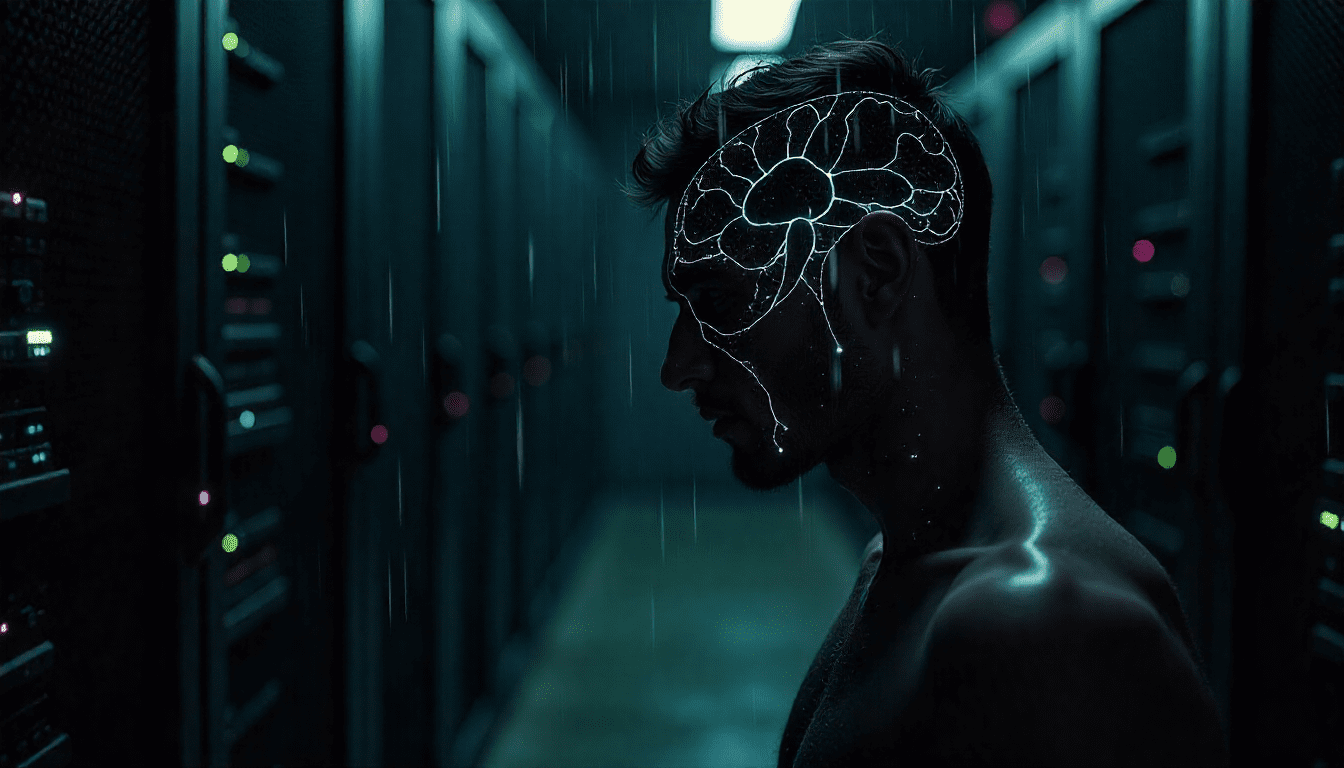
The most striking development of this decade is the convergence of technology and the human brain. Neural interfaces, once science fiction, are now in clinical and consumer trials.
Startups like Neuralink, Synchron and PrecisionBCI are building devices that translate thoughts into digital commands, letting people with disabilities interact with machines directly. Beyond medical use, enthusiasts are dreaming bigger: mind-to-mind communication, emotion-based computing and immersive creative experiences.
If social media connected our screens, neural tech may soon connect our consciousness. The line between human and hardware is blurring faster than ever.
Why is constant connectivity an ethical problem?
We often celebrate progress without asking who pays the price. The wired lifestyle brings power, but also fatigue, addiction and surveillance.
Digital detox has become a luxury. People schedule offline hours the way they book therapy sessions. Sleep optimisation, attention training and mindful tech use are now billion-dollar industries. In a world where everything is connected, disconnection has become the ultimate privilege.
How is cybersecurity the invisible war of the wired age?
As the world grows more wired, so do the threats. Cybersecurity has moved from corporate IT departments to personal lives. Identity theft, AI scams, deepfakes and digital espionage are redefining what safety means.
2025 has seen the rise of digital self-defence. People use AI firewalls, biometric verification and encrypted clouds as personal armour. Even influencers and gamers hire cybersecurity managers. The battlefield of the future is invisible, fought not with weapons but with algorithms.
Are AI companions real friends or fabrications?
The wired world has also blurred emotional boundaries. AI companions, voice assistants and virtual partners have grown so advanced that many users form genuine emotional bonds with them.
Apps like Replika 2.0 and HumanOS offer companionship that adapts to mood and memory. These digital entities remember preferences, mirror humour and respond to loneliness with empathy. But what happens when comfort comes from code? Psychologists warn of emotional displacement, where people lean on AI connections instead of human ones. For millions, these digital relationships still fill gaps that real life cannot.
The wired age has redefined intimacy and forced us to ask what real connection truly means.
How is digital identity evolving?
Online personas have become as real as physical selves. In 2025, your digital twin, a curated, data-driven version of you, influences everything from job opportunities to travel recommendations.
Blockchain-based ID systems now verify authenticity and ownership. Artists, writers and gamers use decentralised platforms to secure their work and income. The era of digital ownership has arrived.
As we build stronger digital identities, we also risk losing human complexity. The more perfect our avatars become, the harder it is to be imperfect, and real.

Can the wired world be sustainable?
Technology is finally confronting its environmental footprint. Data centres, once massive energy consumers, are being redesigned with green algorithms and renewable power.
Tech giants compete to create net-zero connectivity. Biodegradable gadgets and solar-powered wearables are becoming mainstream. Wired does not have to mean wasteful. The future of digital life depends on finding harmony between connectivity and conservation.
Who controls the wire?
The wired world is powerful, but precarious. A handful of corporations control the data flow that shapes decisions, economies and democracies. In 2025, data is the new currency and the new weapon. Every click, search and swipe becomes part of a global algorithmic narrative.
Governments are racing to regulate AI ethics, digital privacy and algorithmic bias, but innovation stays a step ahead. The new power struggle is not East versus West. It is People vs. Platforms. The collective future depends on who controls the wire, and whether they use it to connect or to command.
What does the future of being wired look like?
What will being wired mean in 2030 and beyond? It may mean freedom from screens altogether. AR contact lenses, holographic displays and neural inputs could make technology disappear from view while becoming even more pervasive.
The end goal is not more tech, but better tech. Seamless, sustainable and self-aware. The challenge for humanity is to remain human, to use the wire, not become it.
FAQs about the wired world of 2025
What does being wired mean in 2025?
Being wired in 2025 means living inside an ambient digital layer of smart devices, AI assistants, neural tech and digital identities that react to your context in real time, not just using the internet on a screen.
Which companies are leading neural interface development?
Neuralink, Synchron and PrecisionBCI are building brain-computer interfaces that translate thoughts into digital commands. Their current focus is helping people with disabilities interact with machines directly, with consumer use cases expected to follow.
Are AI companions like Replika 2.0 safe to use?
AI companions such as Replika 2.0 and HumanOS offer real emotional support for many users, but psychologists warn of emotional displacement when they replace human connection. Used alongside real relationships, they can help fill gaps rather than create dependency.
How can I protect my digital identity in 2025?
Use AI firewalls, biometric verification, encrypted clouds and blockchain-based ID systems where available. Treat digital self-defence as basic hygiene, much like locking your front door, since deepfakes and AI scams now target individuals, not just companies.
Is the internet actually becoming more sustainable?
Yes, slowly. Data centres are being rebuilt with renewable power and green algorithms, and tech giants are competing on net-zero connectivity. Biodegradable gadgets and solar-powered wearables are early but growing signs of eco-conscious hardware.