Short answer: AI in education shifts classrooms from one-size-fits-all syllabi to personalised learning paths. Khanmigo from Khan Academy and Duolingo Max already explain why an answer is wrong and how to fix it. Coursera, Udemy and Skillshare push skill-first microlearning. AI augments teachers, it does not replace them.
Classrooms used to live inside four walls and a syllabus. That world is dissolving. The next generation is growing up with AI tutors, custom curriculums and immersive simulations that reshape what it means to go to school.
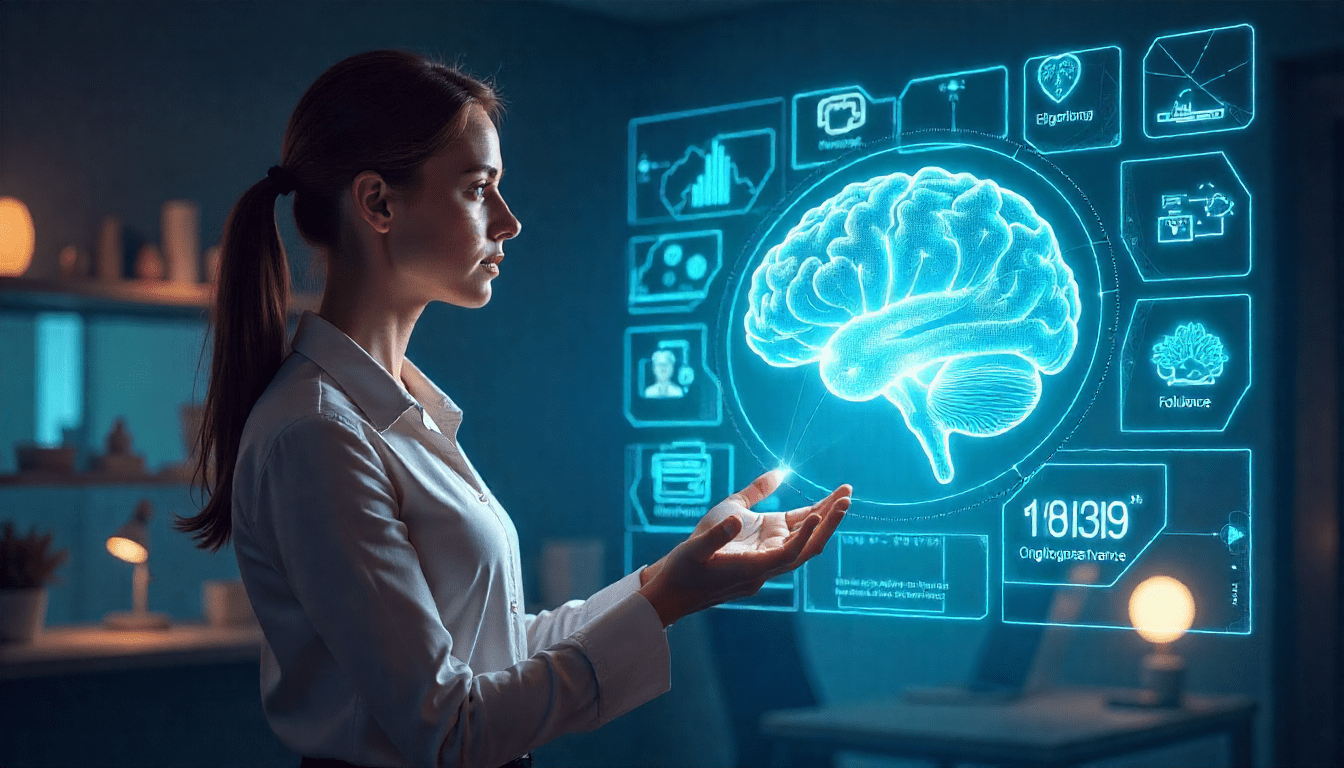
AI is not replacing teachers. It is augmenting them. By reading a student’s strengths, weaknesses and pace, intelligent systems design unique learning paths so every learner can succeed on their own terms.
How does AI personalise learning for each student?
Education systems have relied on uniformity for decades: one syllabus, one test, one measure of success. Every student learns differently. AI corrects that imbalance by tailoring content to individual progress.
Khanmigo (from Khan Academy) and Duolingo Max use generative AI to give personalised feedback. Instead of only grading an answer, they explain why it is wrong and how to improve, like a patient tutor who never tires.
The payoff: students learn faster, retain more and feel more confident. Teachers hand off repetitive tasks like grading and attendance, freeing time for creativity and mentorship.
What does a classroom without borders look like?
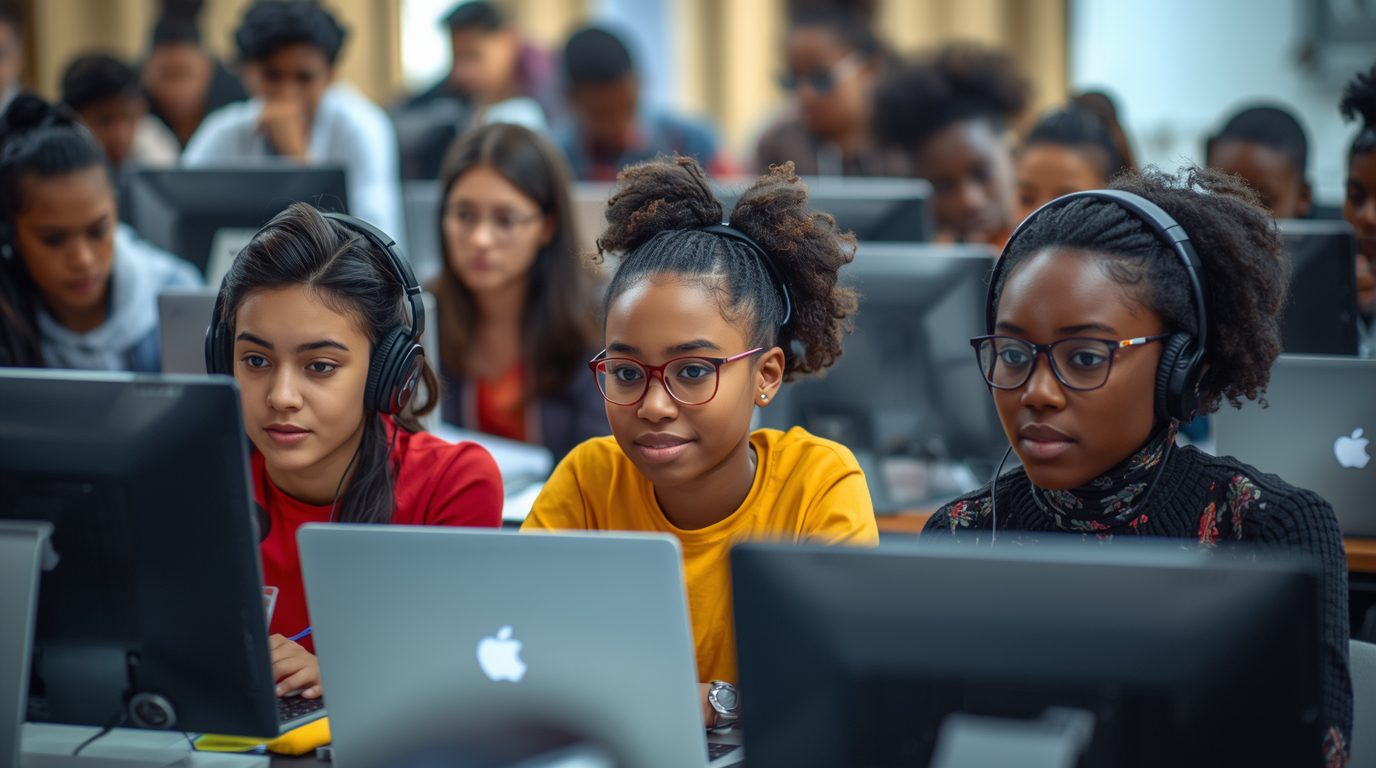
Online and hybrid learning has made education more global. A student in India can learn design from a university in London or coding from a Silicon Valley startup, in real time.
AI also breaks language barriers. Real-time translation tools let students from different backgrounds collaborate. Education is no longer locked to geography or income.
With virtual reality and AR, learning becomes an experience. Imagine studying ancient Egypt by walking through a digital pyramid, or learning physics by simulating space missions. For Gen Alpha and Gen Z, that immersion makes lessons stick.
Why is microlearning replacing traditional degrees?
The traditional degree model is under question. Many students prefer skill-based certifications over long university programs. Coursera, Udemy and Skillshare are offering bite-sized, affordable courses in everything from AI ethics to creative marketing.
Microlearning is practical. Instead of four years of theory, learners pick up job-ready skills in months and stay adaptable in a fast-changing economy. AI tracks progress, suggests the next course and connects students with recruiters based on performance.
What are the challenges of AI in education?
The AI shift raises serious questions. Will access to smart learning tools widen the gap between privileged and underprivileged students? How do we keep human connection, empathy and mentorship at the centre of learning?
Ethical AI use will define the next chapter of education. Data privacy, bias prevention and transparency become critical as schools and governments adopt these tools.
Why learning is becoming a lifelong habit
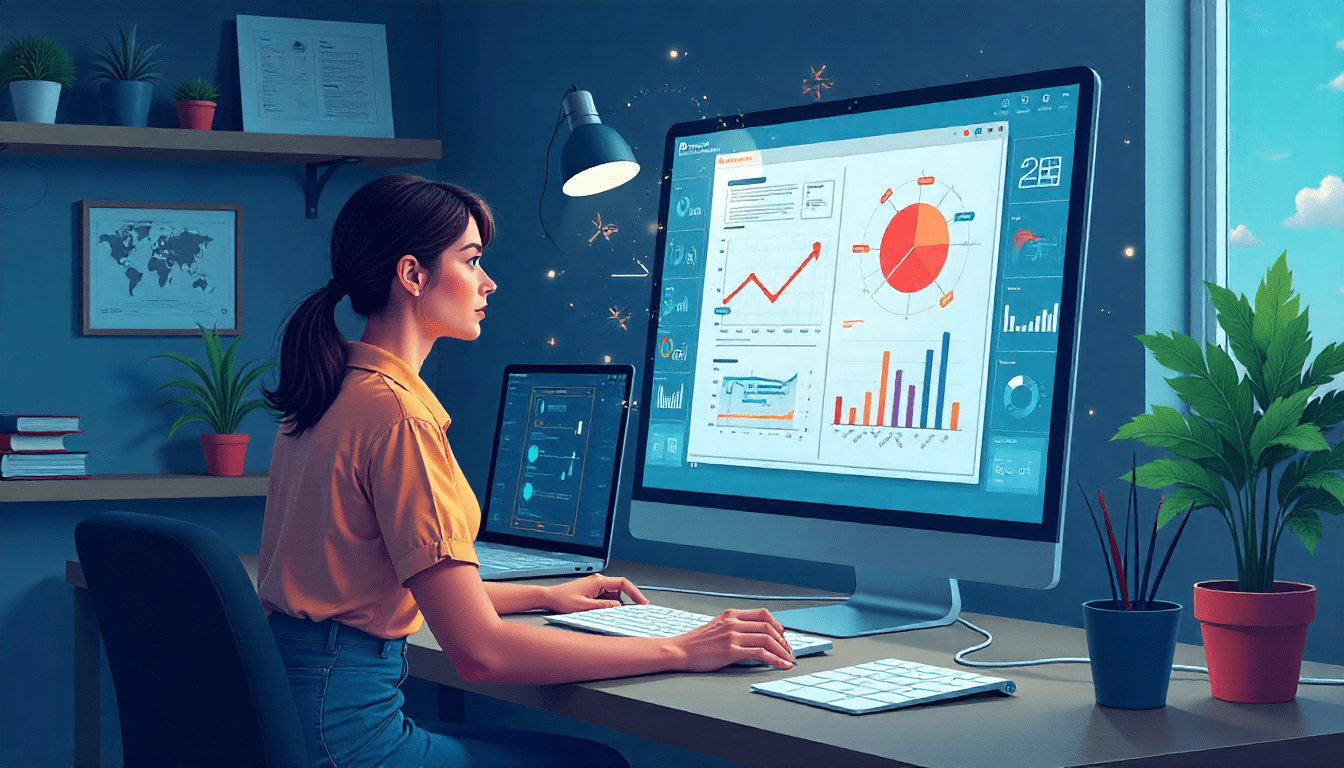
In this new era, learning will not stop at graduation. It will be a lifelong journey. AI makes education more flexible, personalised and continuous.
Tomorrow’s learners will not just consume knowledge. They will co-create it with technology. That is the real promise of AI in education: not automation, but amplification of human potential.
FAQs about AI in education
Will AI replace teachers?
No. AI handles repetitive tasks like grading and attendance, so teachers can focus on creativity and mentorship. The goal is to empower educators, not remove them.
What are the best AI learning platforms for students?
Khanmigo from Khan Academy and Duolingo Max explain why answers are wrong and how to improve. For skill-first learning, Coursera, Udemy and Skillshare offer bite-sized courses in AI ethics, coding and design.
How does AI personalise learning?
AI analyses a student’s strengths, weaknesses and pace, then designs a learning path matched to individual progress. Students get content tuned to how they actually learn.
Is microlearning better than a degree?
Microlearning suits a fast-changing economy because learners can pick up job-ready skills in months. AI tracks progress, suggests the next course, and connects learners to recruiters based on performance.
What are the risks of AI in education?
The main risks are an access gap between privileged and underprivileged students, loss of human connection, and data privacy and bias issues.