
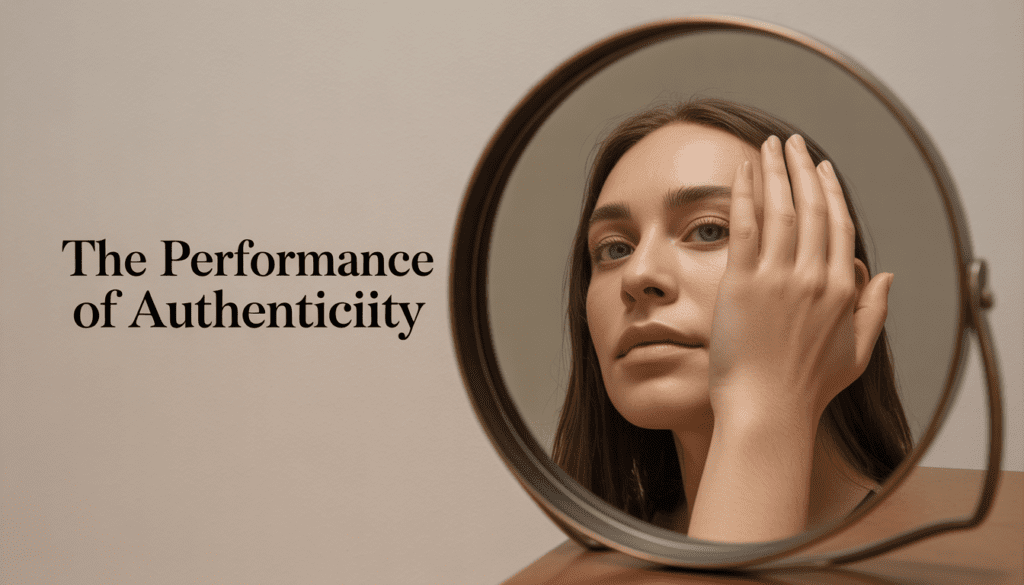
Short answer: Being real online feels exhausting because authenticity turned into a performance. Platforms reward vulnerability with reach, so sharing became a growth tactic rather than a personal choice. The fix is not more disclosure. It’s alignment between what you share and how you live, with privacy treated as a form of self-respect.
There was a time when authenticity online felt like a rebellion. A counter-movement to polished ads, scripted interviews, and unreachable perfection. Being “real” meant showing flaws, admitting uncertainty, sharing moments that weren’t curated for applause.
Now, authenticity has its own aesthetic.
Messy rooms are styled.
Vulnerability is timed.
Confessions are edited.
Imperfections are branded.
What once felt freeing now feels strangely demanding. Being authentic isn’t just encouraged, it’s expected. And when authenticity becomes a performance, it stops feeling honest and starts feeling heavy.
When did being real become a strategy?
Influencer culture didn’t invent authenticity. It monetized it.
Audiences grew tired of polish, so platforms rewarded relatability. Algorithms favored personal stories. Brands followed attention. Being open wasn’t a choice anymore, it was a growth tactic.
Share your struggles.
Show behind-the-scenes moments.
Talk about mental health.
Admit insecurity.
These behaviors weren’t wrong. But they were incentivized. And incentives change behavior.
What began as self-expression slowly turned into expectation. If you weren’t open enough, you felt distant. If you weren’t vulnerable enough, you felt inauthentic. If you didn’t share, you risked becoming irrelevant.
Authenticity stopped being personal.
It became performative.
Why is staying relatable so much emotional work?
Being consistently authentic online requires constant emotional calibration.
How much do I share?
How raw is too raw?
Is this honest or oversharing?
Will this help people or harm me later?
Every post becomes a negotiation between truth and consequence.
Unlike private vulnerability, public vulnerability doesn’t end when the conversation does. It lives on: screenshotted, archived, replayed, interpreted by people who don’t know you.
Once vulnerability becomes part of your public identity, stepping back feels like betrayal. Of the audience. Of the brand. Of the version of you people connected with.
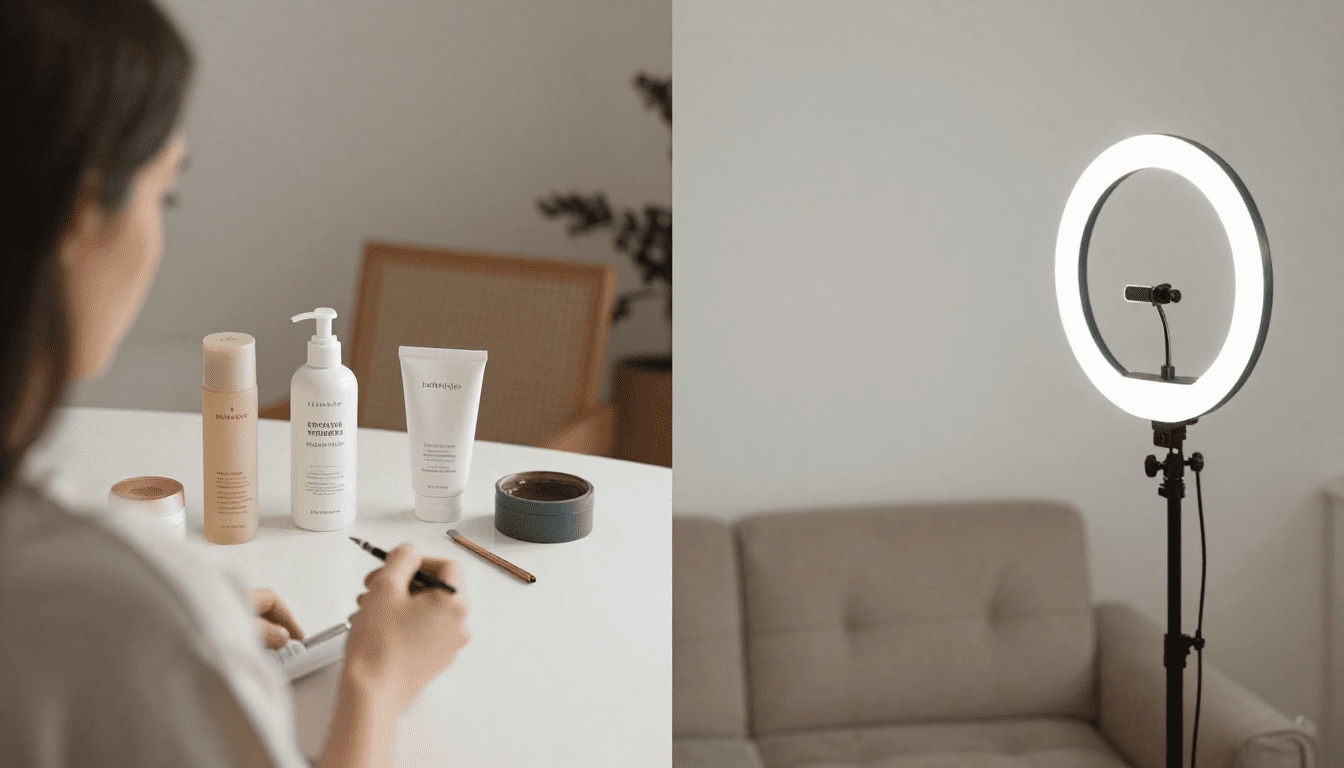
When does transparency start to feel invasive?
There’s a subtle pressure many creators feel: the belief that if you stop sharing personal details, you’re hiding something.
Silence gets questioned. Privacy feels suspicious. Boundaries look like distance.
But transparency isn’t the same as accessibility.
You can be honest without being exposed. You can be real without being readable.
The problem is that platforms don’t reward nuance. They reward intensity. The more emotionally charged the content, the better it performs.
So people share more than they’re ready to carry.
And later, they pay the cost.
Why do we confuse growth with exposure?
One of the most damaging myths of online culture is that growth requires constant exposure.
That healing must be shared to be real.
That processing must be public to be valid.
That lessons only count if they’re posted.
Growth doesn’t need an audience.
Some of the most meaningful changes happen quietly, without captions, without commentary, without engagement metrics.
When every step of growth is documented, there’s little room to experiment, fail privately, or change direction without explanation.
You don’t get space to become.
You get pressure to narrate.
What role does the audience play?
This isn’t only a creator problem. Audiences participate too, often unintentionally.
We reward openness with attention. We interpret vulnerability as connection. We expect consistency in emotional access.
When creators pull back, audiences sometimes feel confused or disappointed, not because they’re entitled, but because intimacy was normalized.
The relationship feels personal, even when it isn’t reciprocal.
This blurring creates a strange dynamic: creators feel watched, while audiences feel connected. Neither experience is fully accurate, but both are emotionally real.
Why is constant self-disclosure burning creators out?
Burnout in influencer culture doesn’t always come from volume of work.
It comes from emotional depletion.
From turning personal experiences into content. From packaging feelings into narratives. From revisiting pain for relevance.
Eventually, creators stop asking, “What do I want to share?” They start asking, “What will resonate?”
That shift matters.
Once expression becomes extraction, authenticity loses its grounding. It becomes something you give away rather than something you live inside.
Why is privacy becoming radical again?
Quietly, some creators are redefining what authenticity means.
They’re posting less. Sharing selectively. Protecting relationships. Separating growth from content.
Not because they’re disengaged, but because they’re preserving something essential.
Privacy isn’t dishonesty. It’s containment.
It lets people feel deeply without being interpreted immediately. To change without explaining. To heal without narrating.
In a culture that equates visibility with value, choosing privacy becomes an act of self-respect.
What does authenticity without exhibition look like?
True authenticity doesn’t require disclosure of everything.
It looks like consistency between values and behavior. Clarity about boundaries. Honesty without spectacle.
It’s not about how much you reveal. It’s about how aligned you are with what you do reveal.
You can be authentic and still say:
“This part is mine.”
“This isn’t ready.”
“This doesn’t need to be shared.”
That doesn’t make you distant.
It makes you grounded.
What is the future of online realness?
The next phase of authenticity online won’t be louder.
It will be calmer.
Less confessional. More intentional. Less performative. More human.
People are tired of extremes, perfection on one end, constant vulnerability on the other. What’s missing is balance.
A version of authenticity that allows complexity without spectacle. That honors growth without monetizing pain. That respects the difference between connection and consumption.

Where this leaves us
Being real online was never meant to be exhausting.
It became that way when authenticity turned into obligation.
You don’t owe the internet access to your inner world. You don’t need to perform vulnerability to be honest. You don’t have to explain your evolution in real time.
The most authentic thing you can sometimes do is step back and let yourself exist without an audience.
Because authenticity isn’t proven by how much you share.
It’s sustained by how well you protect what matters.
FAQs on the performance of authenticity online
Why does being authentic online feel exhausting?
Because authenticity stopped being a personal choice and became a growth tactic. Algorithms reward vulnerability, so creators feel obligated to keep sharing more, which turns expression into extraction.
Is sharing vulnerability always healthy for creators?
No. Public vulnerability is permanent. It gets screenshotted, archived, replayed, and interpreted by strangers. Once it becomes part of your public identity, stepping back can feel like betrayal of the audience and the brand.
Can you be authentic without oversharing?
Yes. Transparency is not the same as accessibility. Authenticity is about alignment between your values and your behavior, not the volume of what you disclose.
Why are some creators choosing privacy over exposure?
Privacy protects space to grow, experiment, and heal without narrating every step. In a culture that equates visibility with value, choosing privacy becomes an act of self-respect.
What does the future of online authenticity look like?
Calmer and more intentional. Less confessional, less performative, and more balanced, allowing complexity without spectacle and honoring growth without monetizing pain.