
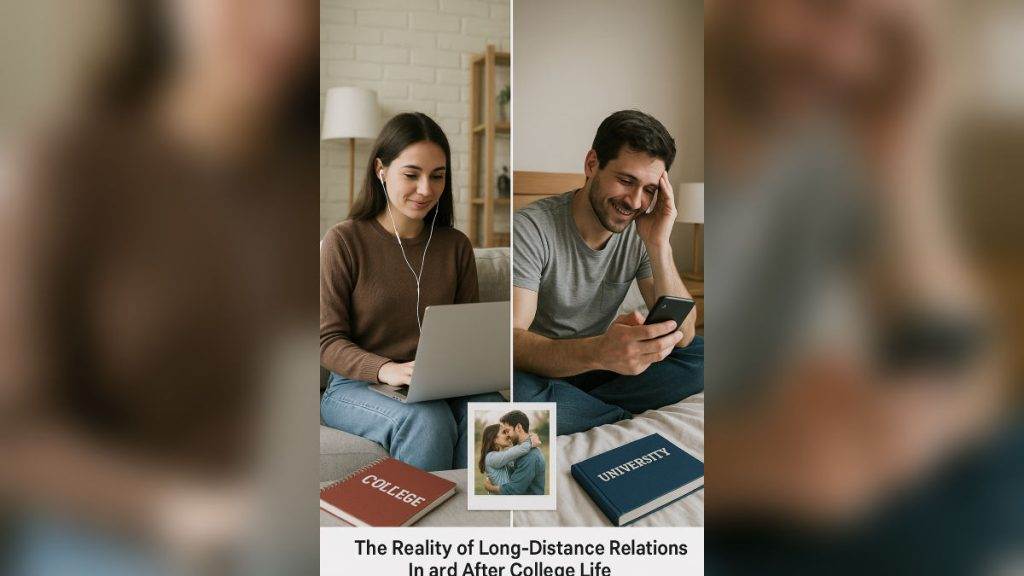
Short answer: Long-distance relationships are a normal chapter for Gen Z, with around 70% of college students experiencing one at some point. A 2021 study in the Journal of Social and Personal Relationships pegged the average LDR success rate at roughly 60%. What separates the ones that survive from the ones that don’t isn’t love, it’s communication, aligned goals, and a real plan to close the gap.
Long-distance relationships, or LDRs, often carry a romanticised image. Late-night calls, handwritten letters, emotional airport reunions. For many young adults, especially Gen Z, LDRs are more than poetic notions, they’re a real part of navigating love in a world where ambitions, education and career goals don’t always align geographically. In college years and beyond, love at a distance can be both a test and a testament to commitment.
Why are LDRs so common in college?
A reality for many students
Walk through any university dorm and you’ll find students mid-FaceTime, whispering “I miss you” through a screen. According to research, around 70% of college students experience a long-distance relationship at some point during their university life. The figure sounds staggering. It really isn’t surprising.
With students attending universities in different states or countries, meeting partners online, or continuing high school relationships into college, distance becomes inevitable. College years also mark a transformative period emotionally, academically and socially, which can either strengthen or strain romantic ties.
The good, the bad, and the lonely
Let’s face it. Juggling assignments, exams, part-time jobs and extracurriculars is already challenging. Now add a partner in another time zone. Suddenly a 15-minute call requires strategic scheduling and sacrificing sleep.
But here’s the flip side. Many find that being apart forces them to become more intentional, every conversation matters. There’s effort behind every “good morning” text or surprise flower delivery, and that kind of communication nurtures emotional depth in ways an everyday relationship sometimes skips over.
Personally, I remember my friend Aanya in her third year of college balancing her LDR with a partner studying medicine abroad. Every Sunday, they’d cook the same recipe over a video call, laughing through burnt rotis and undercooked pasta. It was their version of “date night,” and it worked.
What makes college LDRs actually work?
Communication is everything
Psychologists often say strong communication is the bedrock of successful relationships. In LDRs, it’s non-negotiable. Daily updates, emotional check-ins, and being honest about stress, jealousy or even boredom go a long way. It’s not about texting 24/7. It’s about being present and responsive when it matters.
Setting expectations
Clarity is kindness. Deciding how often to call, when to visit, and what level of exclusivity you expect can prevent misunderstandings. Couples who are on the same page emotionally and logistically are better equipped to navigate college pressures.
Embracing growth
Distance during college often gives space for personal growth. Many partners report becoming more self-aware, independent and emotionally mature. Those traits strengthen relationships, whether or not they eventually close the gap.
What happens to LDRs after graduation?
A new set of challenges
College ends. Distance often doesn’t. Maybe one partner lands a job in Mumbai while the other starts a fellowship in London. Suddenly adult life demands, work hours, financial planning, visa rules, all enter the equation.
Long-distance relationships after college tend to become more layered. It isn’t just about love anymore, it’s about logistics, life goals and long-term plans.
A 2021 study published in the Journal of Social and Personal Relationships found that the average success rate of LDRs is about 60%. That’s an encouraging number, considering the complexities involved. It suggests distance doesn’t doom a relationship, mismatched expectations or lack of effort might.
When love meets life goals
Realistically, not all LDRs survive the transition from campus to corporate life. Dreams change, schedules clash, and for some the cost of keeping the relationship alive begins to outweigh the emotional return.
A couple I know, Megha and Raj, were inseparable in college. After graduation, Megha pursued a master’s in Germany while Raj stayed back in India to support his family. Despite their love, the distance highlighted opposing life paths. Eventually they chose to part ways, not because of a lack of love, but because of a lack of alignment, which is often the real divider for couples in their twenties.
Planning a reunion, mentally and physically
Couples who thrive post-college often have one key ingredient. A plan. Whether it’s saving for a move, applying for jobs in the same city, or even setting a two-year timeline, the hope of reunification fuels perseverance.
Is technology helping or hurting your LDR?
Technology is both the glue and the ghost in long-distance love stories. Video calls, instant messaging, voice notes and social media make staying in touch easier than ever. Yet they can also create pressure, the expectation to always be available, or the paranoia of reading too much into a delayed reply.
Sometimes even a strong WiFi connection can’t fix emotional disconnection.
To maintain emotional intimacy, couples should engage in more than just “how was your day” chats. Watching the same show, playing online games together, or planning virtual date nights adds a sense of shared experience beyond the usual texts.
How do you protect your mental health in an LDR?
Let’s be honest. LDRs aren’t always romantic montages set to soft indie music. They can be exhausting. You miss hugs. You crave spontaneous meetups. You wonder what it would be like to just sit beside them doing nothing.
This is where emotional resilience becomes key. If a long-distance relationship starts to chip away at your mental health or sense of self, it’s important to reassess. Love should uplift, not exhaust.
It’s okay to admit when things aren’t working. Choosing to step away isn’t a failure, it’s a form of self-respect.
The bright side, love that grows despite miles
Despite the odds, many long-distance couples not only survive but thrive. They build a deep understanding of each other, rooted in communication, trust and effort. They become each other’s cheerleaders, confidants, and constant in a world of change.
They know that love is not just about presence, it’s about presence of mind, heart and intention.
Can LDRs really work?
Absolutely. But they require more than love. They demand patience, maturity, trust and adaptability.
If you’re in a long-distance relationship during or after college, ask yourself:
- Are we growing together, or growing apart?
- Do our goals align?
- Are we communicating openly?
- Do we have a plan for the future?
If the answers lean positive, you’ve got something worth fighting for.
Distance tests love. It can also deepen it.
FAQs about long-distance relationships in college
What percentage of college students are in long-distance relationships?
Research suggests around 70% of college students experience a long-distance relationship at some point during their university life. With people meeting online, going to schools in different cities, or continuing high school relationships, distance has become a normal part of student love lives.
What is the success rate of long-distance relationships?
A 2021 study in the Journal of Social and Personal Relationships found the average success rate of LDRs is about 60%. The takeaway: distance itself doesn’t doom a relationship, mismatched expectations and lack of consistent effort do.
How do you keep a long-distance relationship alive after graduation?
Couples who thrive post-college usually have a concrete plan, whether it’s saving for a move, applying for jobs in the same city, or setting a clear two-year timeline. Pair that with daily emotional check-ins, shared virtual experiences, and honesty about stress or jealousy.
Is it normal to feel exhausted in a long-distance relationship?
Yes. Missing hugs, juggling time zones, and the pressure of always being reachable can wear anyone down. If it starts chipping away at your mental health, reassess. Love should uplift, not exhaust, and choosing to step away can be self-respect rather than failure.
What’s the best way to stay emotionally close in an LDR?
Go beyond “how was your day” chats. Watch the same show simultaneously, play online games together, plan virtual date nights, or cook the same recipe over video, like Aanya and her partner did with their Sunday rotis. Shared experience beats constant texting every time.