
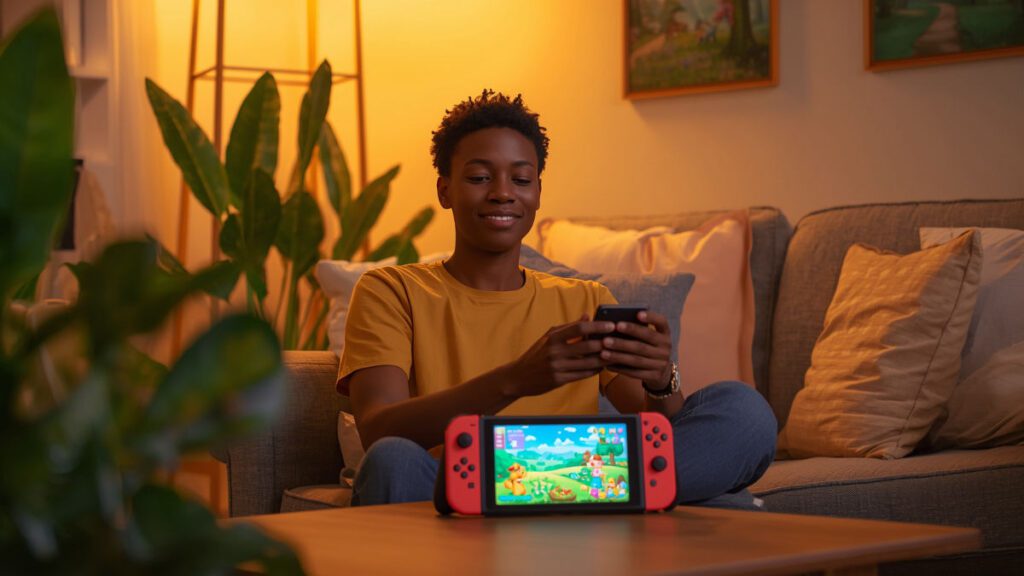
Short answer: Cozy gaming is a genre of calm, low-pressure games like Stardew Valley, Animal Crossing, and Spiritfarer that Gen Z is choosing for stress relief and self-expression. A 2024 GameAnalytics report found over 68% of Gen Z players use cozy or casual games to ease anxiety. Animal Crossing: New Horizons has sold over 40 million copies, signalling a mainstream shift from competition to comfort.
A quiet shift is reshaping gaming. The old idea that “real gamers” live for kill streaks and leaderboards no longer fits. A wave of players, led by Gen Z, is turning toward something softer and more reflective: cozy gaming.
From farming in Stardew Valley to decorating virtual homes in Animal Crossing, this generation is finding comfort in calm rather than chaos. It is a cultural statement about mental health, digital burnout, and what fun means today.
Why are cozy games trending right now?
The numbers speak for themselves. Sales of games labelled “wholesome,” “calming,” or “cozy” have skyrocketed on Steam and Nintendo Switch. These titles are not built around adrenaline. They revolve around simple joys: planting crops, fishing, cooking, or befriending NPCs in pastel-hued towns.
The rise of cozy gaming matches Gen Z’s values. After growing up with climate anxiety, economic uncertainty, and digital overload, they want balance. Cozy games offer a safe space to slow down and create without fear of failure.
As Unpacking, a game about organising a moving-in process, proved, the most meaningful stories are often told through the smallest acts.
How does cozy gaming support mental health?
Modern gaming is not only about escape; it can also be about healing. Many cozy games work as a form of digital mindfulness. Spiritfarer asks players to guide spirits to the afterlife. A Short Hike lets you explore at your own pace. Both create emotional landscapes that prioritise empathy and peace over conquest.
According to a 2024 report by GameAnalytics, over 68% of Gen Z players said they play cozy or casual games to relieve stress or anxiety. Soothing soundtracks, low-pressure gameplay, and creative freedom act like therapy, a pause in an otherwise hyper-connected life.
In that sense, cozy games are the digital equivalent of journaling or meditation: interactive worlds where calm is not an option, it is the mission.

How do cozy games become tools for self-expression?
For many players, cozy games are more than entertainment. Titles like The Sims 4, Palia, and Disney Dreamlight Valley let players design homes, craft stories, and build relationships that reflect their ideal version of life.
Unlike competitive games that demand performance, cozy titles celebrate individuality. There is no “right way” to play. You can redecorate a virtual bedroom, bake pixel-perfect pies, or watch the sunset over a digital meadow, and still feel accomplished.
This shift from competition to creation mirrors wider Gen Z culture. On TikTok, cozy gamers are sharing “soft gaming setups” with ambient lighting, lo-fi playlists, and plush aesthetics. Gaming has become a lifestyle, a blend of creativity and comfort that feels deeply personal.
Who are the cozy game creators and streamers shaping the scene?
As cozy gaming grows, so does its community of creators. YouTube and Twitch now host thriving “wholesome gaming” corners where streamers play Cozy Grove or Bear and Breakfast and chat with followers about self-care, creativity, or daily life.
These streams feel like digital campfires: intimate, warm, and full of gentle humour. Viewers come not to watch someone dominate a leaderboard but to share a sense of belonging.
Marketing has followed. Developers now highlight emotional storytelling, inclusive design, and relaxing visuals. They understand that many players are not chasing escape, they are chasing emotional connection.

Why does slow gaming matter in a fast world?
In an era of instant gratification, cozy gaming is a quiet rebellion. It rewards patience, attention, and presence, qualities often lost in modern life.
Unlike fast-paced shooters or massive multiplayer experiences, cozy games thrive on slowness. They invite players to be rather than do. You can spend an hour tending to virtual plants or writing letters to fictional friends, and that is the whole point.
This philosophy lines up with Gen Z’s growing appreciation for slow living, sustainability, and mental health awareness. Cozy gaming is the digital reflection of those real-world movements.

How is cozy gaming reshaping the industry?
Major studios are paying attention. What started as an indie niche is now a mainstream movement. Nintendo’s Animal Crossing: New Horizons sold over 40 million copies, while indie titles such as Dordogne, Tchia, and Venba are earning critical acclaim for heartfelt storytelling.
Their success is changing how developers think about engagement. Emotional storytelling, aesthetics, and accessibility matter as much as mechanics or graphics. Even AAA studios are experimenting with calmer side modes. The cozy wave is the next evolution of play.
In cozy gaming, the goal is not to win. It is to feel.
Why does cozy gaming matter beyond the screen?
At its core, cozy gaming is about reclaiming joy in small moments. It teaches players that gentleness is powerful, creativity is healing, and peace can be as thrilling as chaos.
In an age when life feels like an endless boss battle, cozy gaming reminds us that we can put the controller down, breathe, and still belong to something beautiful.
Sometimes the most radical thing you can do, in gaming and in life, is slow down.

The calm before the next revolution
The future of gaming may not be louder or faster. It may be quieter, softer, and more human. Cozy gaming proves that joy does not always need to roar. Sometimes it hums gently in the background of busy lives.
As more players choose peace over power-ups, the definition of gaming itself is expanding to include a generation that values connection over competition. Even in a world built of pixels, comfort can still be real.
FAQs on cozy gaming
What is cozy gaming?
Cozy gaming is a genre of low-pressure, non-violent games focused on creativity, exploration, and relaxation. Titles like Stardew Valley, Animal Crossing, Spiritfarer, and A Short Hike let players farm, decorate, or explore at their own pace.
Why is Gen Z drawn to cozy games?
Gen Z grew up with climate anxiety, economic uncertainty, and digital burnout. A 2024 GameAnalytics report found over 68% of Gen Z players use cozy or casual games to relieve stress or anxiety. The calm pace and creative freedom offer a mental break.
Which cozy games are most popular in 2024?
Top picks include Stardew Valley, Animal Crossing: New Horizons, The Sims 4, Palia, Disney Dreamlight Valley, Cozy Grove, Bear and Breakfast, Unpacking, Spiritfarer, and A Short Hike. Indie titles like Dordogne, Tchia, and Venba are also drawing critical praise.
How many copies has Animal Crossing: New Horizons sold?
Nintendo’s Animal Crossing: New Horizons has sold over 40 million copies, making it one of the clearest signs that cozy gaming has moved from an indie niche to a mainstream industry movement.
Can cozy gaming help with anxiety?
Many players use cozy games as a form of digital mindfulness. Soothing soundtracks, low-pressure gameplay, and creative freedom act like a pause button, similar to journaling or meditation. It is not a clinical treatment, but it helps ease daily stress.