Short answer: Slow travel is a movement where travellers stay longer in fewer places, spend locally, and prioritise depth over bucket lists. Cities like Lisbon, Chiang Mai, Medellín, and Bali have become slow travel hubs for digital nomads. Gen Z and Millennials are leading the shift because it cuts carbon footprint, supports local economies, and feels more meaningful than ticking off ten countries in ten days.
In a world obsessed with speed, the idea of slowing down feels revolutionary. We’ve built a culture around instant gratification, fast food, same-day delivery, short-form content, and whirlwind vacations packed with bucket-list checkboxes. But a new travel movement is quietly gaining ground among young explorers: slow travel.
Instead of racing from one landmark to another, slow travellers immerse themselves in the rhythm of a place, its language, food, people, and pace. They stay longer, spend locally, and care more deeply about their impact. It’s not a travel style. It’s a mindset shift.
Why is fast travel burning people out?
You’ve seen it on Instagram, the perfectly edited montage of ten countries in ten days. It looks glamorous, but behind the photos often lies exhaustion. Fast travel feeds the ego and starves the soul. It leaves no room for reflection or genuine connection.
Post-pandemic, more travellers began questioning the pattern. Travel had become another form of hustle, a checklist of experiences rather than an experience itself. When borders reopened, many didn’t crave airports or itineraries. They craved depth, peace, and purpose.
Fast travel satisfies curiosity. Slow travel feeds belonging.
What does slow travel actually mean?
Slow travel isn’t about staying in one place longer. It’s about how you experience it. Choosing a train over a plane, a local guesthouse over a resort, a neighbourhood café over a global chain. Learning a few phrases in the local language, joining a cooking class, helping out at a community garden.
The goal isn’t to “do” a destination. It’s to feel it. To understand its subtleties. To notice how the morning light hits the same corner every day. To become, even briefly, part of its living story.
Many travellers say slow travel has changed how they see the world. Instead of chasing novelty, they discover the joy of familiarity, meaning in repetition, the same walk to the market, the same people at the bakery, the same rhythm they once overlooked.
How are digital nomads driving slow travel?
Remote work has accelerated the shift. More digital nomads are trading office cubicles for lifestyles that blend work and travel. Unlike the old “work from the beach” fantasy, today’s nomads often seek stability, extended stays in one city, co-living communities, and deeper cultural integration.
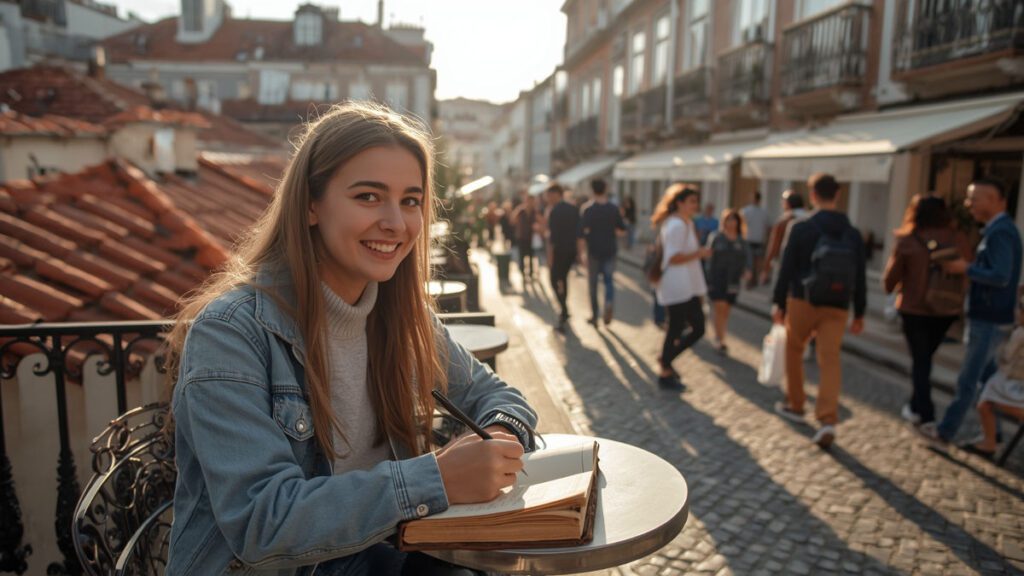
Cities like Lisbon, Chiang Mai, Medellín, and Bali have become slow travel hubs. They offer affordable living, creative energy, and supportive communities. Even as these cities draw global attention, there’s a strong emphasis on sustainable coexistence, respecting local traditions, avoiding over-tourism, and contributing to local economies.
The new rhythm of travel isn’t about escape. It’s about balance, finding home in motion.
How is slow travel more sustainable?
Environmental consciousness sits at the heart of slow travel. Air travel accounts for a significant share of global carbon emissions, and fast-paced tourism often strains natural and cultural resources.
By slowing down, travellers reduce their footprint. Fewer flights, less waste, more support for local businesses. They buy handmade instead of mass-produced. They prioritise walking, cycling, and public transport.
Sustainability isn’t only ecological. It’s emotional. Slow travel encourages mindful living, patience, and gratitude. It invites travellers to question not only how they move, but why they move at all.
When travel becomes less about consuming places and more about connecting with them, both the traveller and the destination gain.
Why does doing less often feel like more?
There’s a strange relief in giving up the urge to “see it all.” When you stop chasing every attraction, you start noticing the invisible magic, the rhythm of street musicians, the quiet kindness of strangers, the smell of rain on unfamiliar soil.
Slow travellers often say their most memorable experiences weren’t planned. They were found in the spaces between plans. A missed train turned into an impromptu meal with locals. A lazy afternoon at a park became a life-changing conversation.
The slower you go, the more the world reveals itself.

How do you start slow travelling?
You don’t need a year off or a huge budget. You need a mindset shift.
Stay longer in fewer places. Instead of five cities in two weeks, pick one or two and get to know them.
Use local transport. Trains, buses, bikes. They show you the real pulse of a place.
Shop and eat local. Skip chains. Support neighbourhood markets and family-run restaurants.
Disconnect to connect. Limit screen time. Let your senses guide you instead of Google Maps.
Engage with communities. Take part in workshops, volunteer, or attend local festivals.
Slow travel is about rediscovering curiosity, not as a rush for novelty, but as a return to wonder.

Why does the future of travel belong to the mindful?
As climate awareness grows and digital burnout spreads, the future of travel will lean toward quality over quantity. Airlines, hotels, and travel platforms are already adapting, offering longer-stay discounts, eco-lodges, and immersive experiences.
Gen Z and Millennials, who prioritise authenticity over luxury, are leading the change. They’re choosing experiences that nurture personal growth, mental wellbeing, and genuine cultural exchange.
The next generation of explorers won’t be known for how many stamps they collect, but for how deeply they connect.
Travel as transformation
Slow travel isn’t about time. It’s about attention. The courage to move through the world deliberately, to exchange performance for presence.
Travel doesn’t have to be loud to be meaningful. Sometimes the most profound journeys happen not when you move fast, but when you truly arrive.
The point of travel isn’t to see the world. It’s to let the world see you, exactly as you are, unhurried and awake.
FAQs about slow travel
What is slow travel in simple terms?
Slow travel is a way of travelling that prioritises depth over speed. Instead of ticking off five cities in two weeks, you stay longer in one or two places, use local transport, eat at neighbourhood restaurants, and try to understand the rhythm of daily life.
What are the best cities for slow travel?
Lisbon, Chiang Mai, Medellín, and Bali have become slow travel hubs. They offer affordable living, creative energy, strong digital nomad communities, and local cultures that reward staying longer than a weekend.
Is slow travel actually more sustainable?
Yes. Air travel is a big share of global carbon emissions, so fewer flights plus longer stays cut your footprint. Slow travellers also spend more with local businesses, walk, cycle, or use public transport, and produce less tourism waste overall.
How long should a slow trip be?
There’s no fixed rule. Even a week in one neighbourhood counts if you travel with intention. Digital nomads often stay a month or more in a single city to build routines, friendships, and a real sense of place.
Is slow travel more expensive?
Not usually. Staying in one place means longer-stay discounts on rentals, cheaper local food instead of tourist menus, and fewer flights. Many slow travellers find it’s actually cheaper per day than a packed bucket-list trip.