


Short answer: The sentient web is an AI-powered internet that learns, responds, and adapts to users in real time. Tools like Google AI Overview, Perplexity, ChatGPT, Runway, Sora, and Midjourney are turning the web from a static library into a living ecosystem that understands intent, emotion, and creativity.
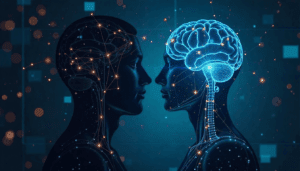
The internet was once a static library of information, a digital map of human thought and creativity. Today, the web is no longer just a tool we use. It is starting to think, respond, and evolve with us. Artificial intelligence, automation, and adaptive systems are converging to create what many call “The Sentient Web,” an interconnected network that learns from human behaviour in real time.
From personalised experiences that read our minds to chatbots that remember our preferences, this shift is changing how we live, work, and connect. As the web becomes more “alive,” we have to ask: who is in control, us or the algorithms?
How is the internet learning from users?
A decade ago, the internet was about information retrieval. Search engines indexed pages, and we searched for what we wanted. In 2025, AI has turned this passive exchange into an intelligent dialogue.
Platforms like Google’s AI Overview, Perplexity, and ChatGPT-driven search assistants no longer just fetch results. They understand intent. They generate answers, synthesise opinions, and anticipate what you might ask next. Recommendation engines on YouTube, Spotify, and TikTok do not just follow trends; they create them, using predictive models trained on billions of data points from global user behaviour.
The web is no longer just storing human intelligence. It is learning from it.
What is a personal AI companion?
Forget static profiles or generic feeds. The next generation of the web is built on personalised ecosystems, digital spaces shaped around individual users.
With the rapid integration of AI agents in daily life, people now have virtual companions that manage emails, curate news, plan trips, and even design outfits. OpenAI’s latest iterations of GPT models, Meta’s AI assistants, and Apple’s “IntelliCore” are building bespoke experiences that adapt to your personality, emotions, and goals.
Imagine logging into your browser and it already knows you are feeling drained. It suggests calming music, hides stressful notifications, and recommends your favourite comfort café nearby. That is not sci-fi. That is the sentient web in motion.

Can the web feel human emotion?
The next frontier is not intelligence. It is empathy.
Advances in affective computing give machines the ability to detect emotional cues through tone, text, and facial recognition. Apps can adjust responses based on mood. A chatbot can tell if you are frustrated. A digital workspace might alter interface colours or suggest breaks when it senses burnout.
The web is learning to “feel.”
This emotional intelligence, powered by neural networks and behavioural analytics, turns data into understanding. It is a step toward an internet that interacts more like a friend than a function.
But if the web starts understanding emotions, can it also manipulate them?
What are the risks of algorithmic awareness?
AI-driven platforms are mastering the art of persuasion. Social feeds are not neutral. They are personalised mirrors reflecting what keeps you engaged the longest.
That makes content discovery smooth but also deepens digital echo chambers. When every interaction is optimised for retention over reflection, we risk losing the randomness that once made the web a place of exploration.
The sentient web knows what you like. Does it know what is good for you?
The ethical challenges are mounting. Who decides what the algorithm learns, prioritises, or hides? The data that trains AI represents culture, bias, and power. If the web becomes sentient, its consciousness will reflect ours, the brilliance and the flaws.
How is AI changing digital creativity?
Amid these concerns, the sentient web is unlocking new creativity. Artists, writers, and designers are collaborating with AI tools that co-create music, generate visual art, and script interactive stories.
Platforms like Runway, Sora, and Midjourney have democratised creation, letting anyone bring complex ideas to life with a single sentence. The line between human and machine authorship has blurred.
In 2025, creativity is not about what you can make, but how you can guide AI to make it with you. It is a dance between logic and imagination where algorithms become co-authors of the human experience.
What does a symbiotic web look like?
We are moving toward a web that does not just connect data but coexists with its users, a system that grows, adapts, and evolves alongside humanity.
This relationship is not about domination but collaboration. The sentient web thrives when it augments our humanity rather than replacing it. It should amplify empathy, encourage discovery, and help us make sense of the infinite digital noise surrounding us.
The real question is not whether the web will become sentient. It is whether we, as its creators and users, can evolve emotionally and ethically to meet it there.

The internet, reimagined as a living mind
The future of the web is not artificial. It is deeply human. The sentient web mirrors our collective consciousness, amplifying both our curiosity and our chaos.
If we nurture it with transparency, creativity, and responsibility, it could become the greatest expression of human progress, a living, breathing digital world that learns not just about us, but from us.
We built the web to serve us. Now, it is time to ensure it understands us too.
FAQs on the sentient web
What is the sentient web?
The sentient web is an evolved version of the internet where AI, automation, and adaptive systems learn from user behaviour in real time. Instead of just delivering static pages, it understands intent, adapts content, and personalises experiences for each person.
How is AI changing search in 2025?
Search engines like Google’s AI Overview, Perplexity, and ChatGPT-driven assistants now understand intent, generate answers, and predict follow-up questions. Search has moved from keyword matching to conversation.
What is affective computing?
Affective computing lets machines detect emotional cues through tone, text, and facial recognition. Chatbots can sense frustration, and digital workspaces can suggest breaks when they detect burnout, making apps feel more human.
Which AI tools are defining digital creativity?
Runway, Sora, and Midjourney let anyone generate video, visuals, and art from simple prompts. OpenAI’s GPT models, Meta’s AI assistants, and Apple’s IntelliCore are shaping personalised assistants that go beyond creation.
What are the ethical risks of the sentient web?
The biggest risks are digital echo chambers, loss of randomness in discovery, emotional manipulation, and biased training data. Transparency, user control, and ethical design are essential for the sentient web to stay human-centred.