Short answer: Youth aesthetic brands now win Gen Z in India by mixing sound, bold color and art-led design, not just logos. Asian Paints’ sonic identity with The Quick Style, ABFRL’s OWND! and Bershka on Myntra show how feel beats polish in 2025.
Gen Z isn’t just consuming art, music or fashion. They’re defining how all three intersect. Brands are moving past logos and speaking through sound, color and immersive experiences. In 2025, the style of a brand matters almost as much as what it sells, and young Indians are rewarding those audacious enough to mix art, design and music in ways that feel personal, not polished.
From sonic identities to new fashion labels and maximalist aesthetics, this is the era where feel trumps flawlessness. Here’s what’s happening and why it matters.
What’s trending right now in art, brand design and music?
1. Sonic identity in branding
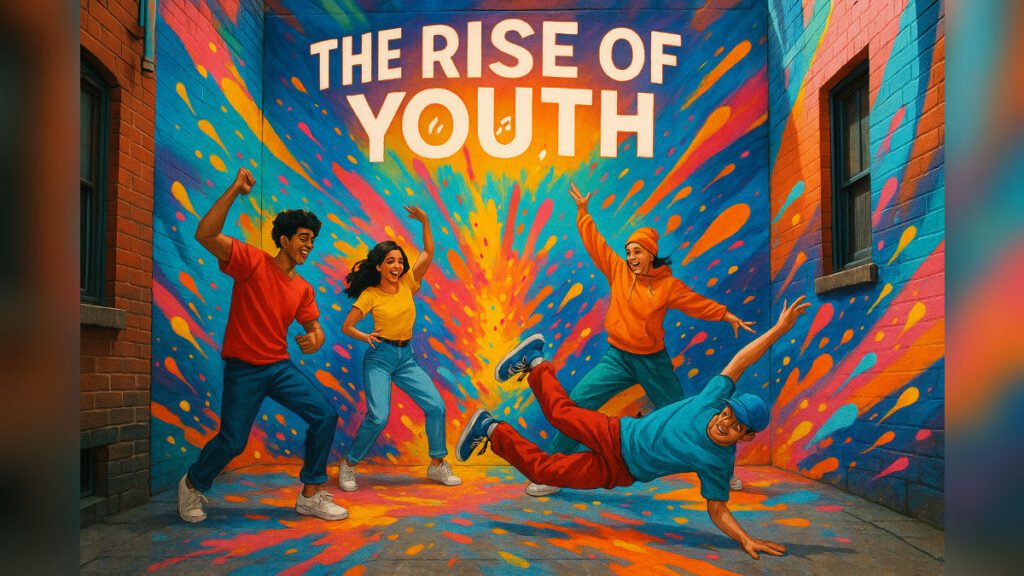
Asian Paints recently teamed up with The Quick Style (a dance group) to launch its first “sonic identity” — a sound signature that blends music, colour, rhythm and movement. It is not about a jingle. It’s about a brand feeling every time you hear that melody.
The sonic identity also shows up across touchpoints: video ads, product launches, social media and in-store. It makes the brand immersive and multisensory, which lands hard with youth.
2. Fashion brands designed for the Gen Z voice
ABFRL’s brand OWND! is built specifically for young, trend-aware Indians. New stores, design aesthetics and product picks all resonate with youth identity and culture.
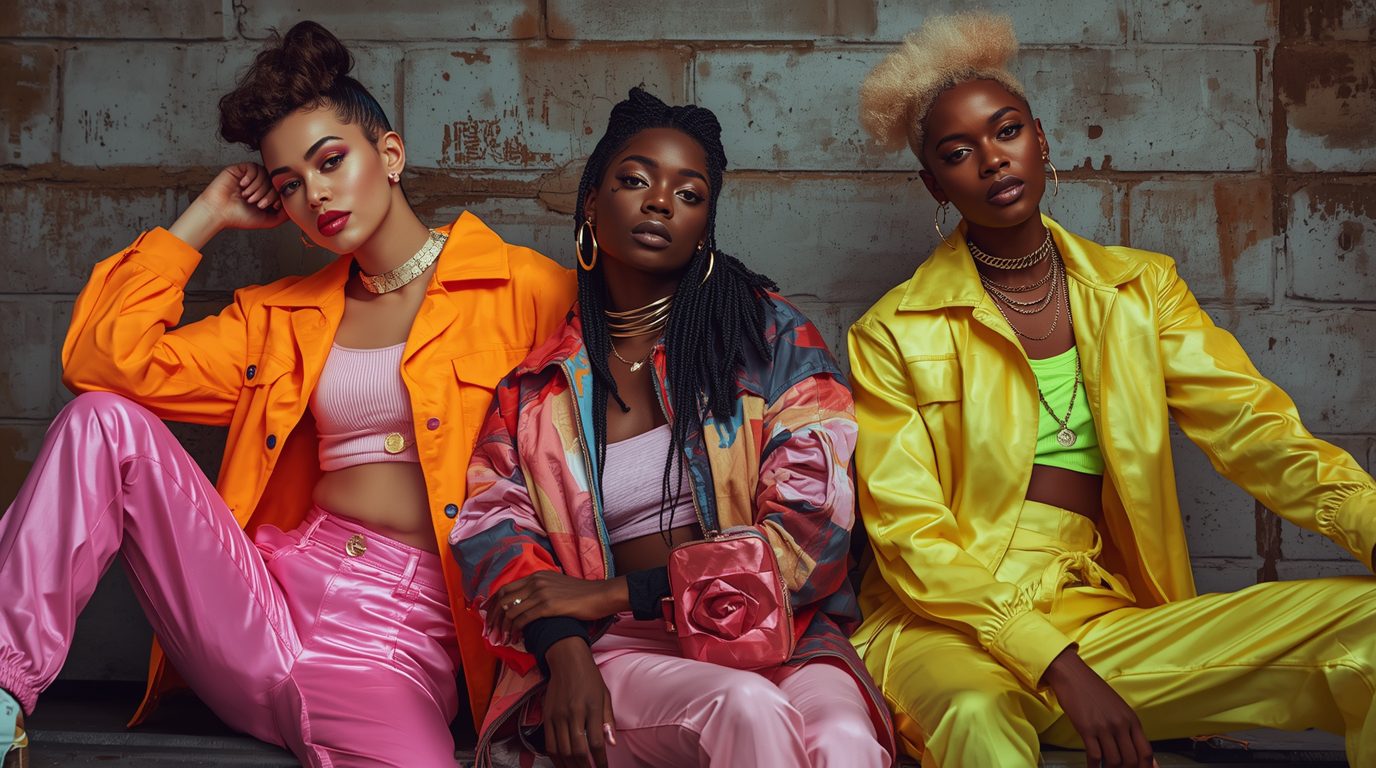
Bershka launching on Myntra is another example: statement streetwear, bold colors and trendy cuts. Styles that say “serve content, serve attitude,” not just “wear.”
3. Bold, maximalist aesthetics and the return of color
Minimalism dominated for years. Now vivid hues, cluster-designs and layered textures are back. Brands embrace color as mood, statement and identity, not mere decoration.
Packaging, social media visuals and album covers show neon, pop art influences and retro-futurism. Some of this comes from global fashion and pop trends (like “gaudy glam”) that spill into brand design.
4. Fusion of music, design and art installations
Genre boundaries are blurring: music releases with strong visual art direction, brands collaborating with artists for murals, sonic and visual identities, and installations that are both music and art.
Academic research on AI in music (sound design, lyric generation, installations) shows that musicians are using new tools to push what art can be.
Why does this matter to Gen Z and youth culture?
- Identity and authenticity: This generation values brands and creators that show personality. It’s not enough to look good, you need to feel good. Branding that layers sound, color, aesthetic and design cues aligned with youth subculture, nostalgia and boldness wins trust.
- Multisensory expectation: TikTok, Reels and digital content trained youth on audio-visual experiences. A brand jingle, an Instagram reel aesthetic, even a product unboxing sound matters. It’s not only visual — it’s all senses.
- Expressive culture and social media: Youth culture is performative. Fashion, design and music blend into content creation. If your product looks good, sounds good or gives material for reels, memes or stories, it spreads.
- Democratization via tools: AI, cheaper production and online design marketplaces mean more creators can experiment. Aesthetic innovation now comes from smaller brands and creators, not only the big names.
- Value of bold choices: Data and case examples show that brands taking visual and sound risks (color, maximal design, sonic identity) get more social engagement. It’s part of what makes a brand talked about.
Which Indian youth aesthetic brands are leading right now?
- Asian Paints + The Quick Style: A legacy paint brand evolving through sonic identity and bold art/dance visuals to reach younger audiences. The choreographed video, dance, paint visuals and sound signature make it more than décor — it’s culture.
- OWND! by ABFRL: Instead of releasing another store, this brand is built with youth trends, store layouts, design identity and product styles that are fresh, value-driven and fashion-led. They rebrand existing stores to match this identity quickly, which shows trust in youth culture.
- Bershka on Myntra: Street style, runway aesthetics, bold prints, colors. Non-metro demand is strong too: youth outside big cities want these designs.
- Academic trend — music + AI + aesthetic visuals: Research is exploring how AI helps produce sound, visual artworks and installations. Future music releases may be packages of sound plus visuals as one art piece.
What’s coming next: trends to watch
- Sonic identity becomes standard: More brands (not only music or fashion) will adopt sound logos, background scores and jingles that match visual aesthetics. It will be expected.
- Designs go 3D, mixed reality and metaverse: Art installations and brand activations in virtual spaces, merging design with digital avatars, AR filters and immersive concerts.
- Collaborative art and fashion drops: Limited edition artist collabs (painters, illustrators) for product lines, album merch and streetwear drops.
- AI-generated visual trends and style personalization: Youth will expect customization in visual branding — packaging, color palettes, even personalized sound to match mood or region.
- Return of nostalgia and retro-futurism: Y2K, 80s/90s, neon, bold patterns, high-contrast visuals. Also retro elements combined with futuristic cues like metallics and holographics.

How can creators and brands tap into this?
- If you’re a small creative or upcoming brand, build your own sonic identity (a melody, a sound logo). Pair visuals with sound design.
- Play with color that feels bold and expressive. Don’t shy away from contrast. Let packaging, album art or social visuals carry art direction boldly.
- Collaborate with visual artists and designers. Even in music, treat your visuals, drops and promo art as expressions of you as an artist.
- Think multi-format: design, visuals, music and interactive content across Reels, TikTok, Instagram and physical activations.
- Keep an eye on sustainability and inclusivity in design. Youth care about ethics in materials, representation and diversity.
The takeaway
Art, music and design are no longer separate fields for Gen Z. They’re part of one expressive tapestry. Brands that are bold and merge visuals, sound and authentic identity are the ones catching eyeballs.
For youth creating, or brands catching up: your aesthetic voice is your power. The louder, more personal and more sensory you are, the more you’ll be remembered.
FAQs about youth aesthetic brands in India
What is a sonic identity in branding?
A sonic identity is a unique sound signature — a melody, motif or audio logo — that a brand uses across ads, product launches, social media and in-store. Asian Paints’ collab with The Quick Style is a recent Indian example that blends music, colour, rhythm and movement.
Why is bold color and maximalism returning in design?
After years of minimalism, Gen Z wants branding that feels loud and personal. Vivid hues, layered textures, neon, pop art and retro-futurism give youth something expressive to share on Reels and TikTok.
Which Indian fashion brands target Gen Z in 2025?
ABFRL’s OWND! is built for trend-aware young Indians, and Bershka has launched on Myntra with bold streetwear and prints that travel well beyond metro cities.
How can a small creator build a sonic identity?
Start simple: a short melody or sound logo that plays with your reels, intros and product drops. Pair it with a consistent color palette and visual art direction so sound and image reinforce each other.
What role does AI play in youth aesthetic brands?
AI is making sound design, lyric generation, visual art and installations cheaper and faster. That lets smaller brands and independent creators compete with legacy names and release sound-plus-visual packages as one piece.