
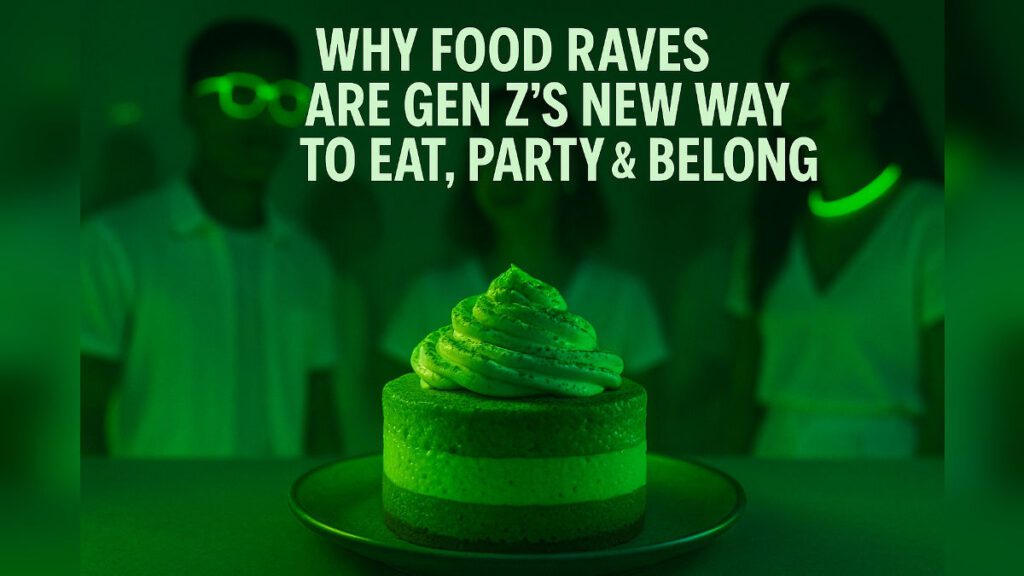
Short answer: Food raves are pop-up events that mix food stalls, live DJs, neon lighting and themed décor into one high-energy experience. Gen Z in India is flocking to them because they combine taste, music and shareable visuals into a single cultural moment.
If you thought food was about taste, Gen Z is flipping that script. In 2025, dining is a sensory event. Music, lighting, vibes and visuals all matter. Enter the food rave: a hybrid of dance party, pop-up eats and social media spectacle. Young foodies in cities across India are leaving quiet cafés behind and booking these immersive, high-energy food experiences. It is not eating out. It is experiencing food culture.
What is a food rave?
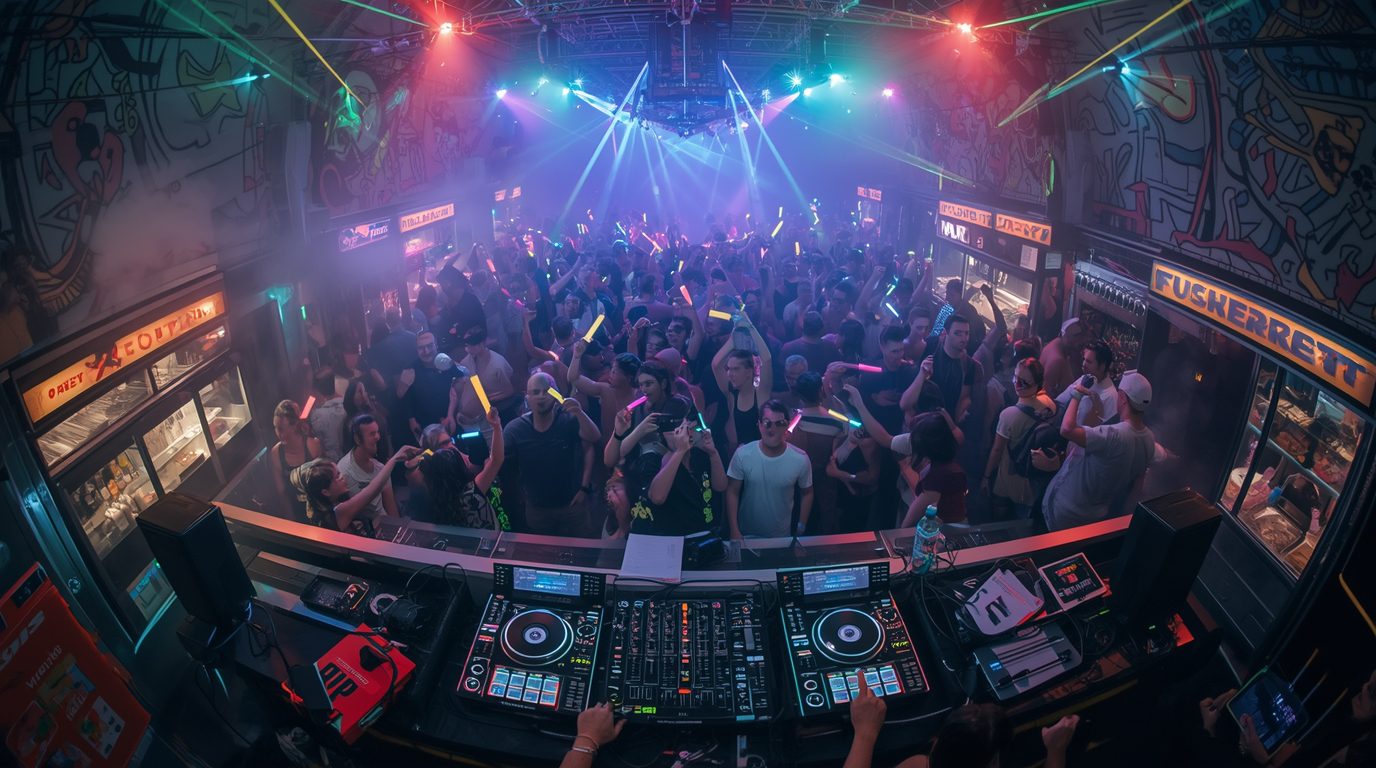
Food raves are pop-up events that combine food stalls, live DJ music, ambient lighting and themed décor. Think neon lights, creative plating, food installations and experimental menus, all designed to give you a “moment” worth capturing on camera. According to Indian Express, Gen Z is drawn to these because they blend taste, fun and shareability.
These aren’t ordinary food festivals. They are compact, high-energy and social. Food plus EDM plus visuals equals a cultural experience.
Why is Gen Z hooked on food raves?
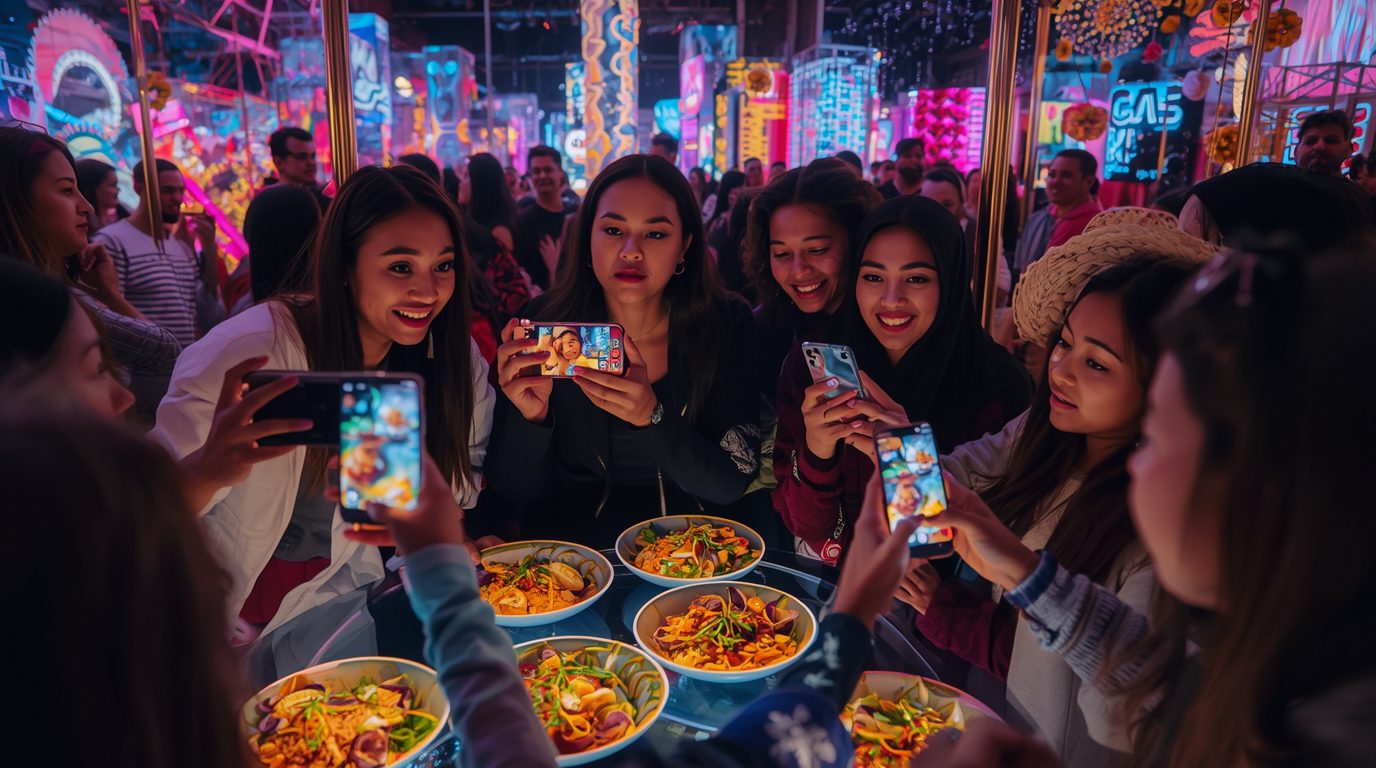
1. Social and shareable. Every dish and every moment is crafted to be Instagrammable or TikTok-worthy. Why eat when you can perform your meal?
2. Novelty and curiosity. Gen Z loves surprises. A matcha rave, a ramen dance floor, or a neon dessert bar — the unusual draws them in.
3. Combining passions. Many in Gen Z aren’t only into food. They are into music, fashion, tech and visuals. A food rave bundles all of that.
4. Community and belonging. These events create micro-tribes: those who were at the food rave, those who caught the glow lights. It is a shared memory and a badge of experience.
Food raves in action: matcha, neon and beyond
One recent event in Delhi went viral: a matcha rave. Attendees wore all-white outfits, the lighting was pastel greens, and matcha-inspired desserts flowed through the night. Tickets filled in an hour.
Across India, cities are seeing more such pop-ups. The theme can be anything, from dessert rave to sushi rave to Korean street food rave, as long as it is immersive, limited-edition and aesthetic.
How do food raves fit the fusion and bold-flavour trend?
Food raves lean into audacious flavours. Korean spices, gochujang drizzles, neon sauces and tropical infusions all match the energy. It aligns with what we already know: Korean flavours are taking over fast-food menus.
What are the challenges and criticism around food raves?
- Sustainability: Pop-ups often involve single-use décor or disposables.
- Accessibility: High ticket prices exclude many.
- Ephemeral: The buzz dies. Will food raves last, or are they hype?
- Authenticity: Some purists see these as gimmicks rather than real food culture.
Gen Z seems okay with that. For them, experience is as important as authenticity.
Why do food raves matter for the future of dining?
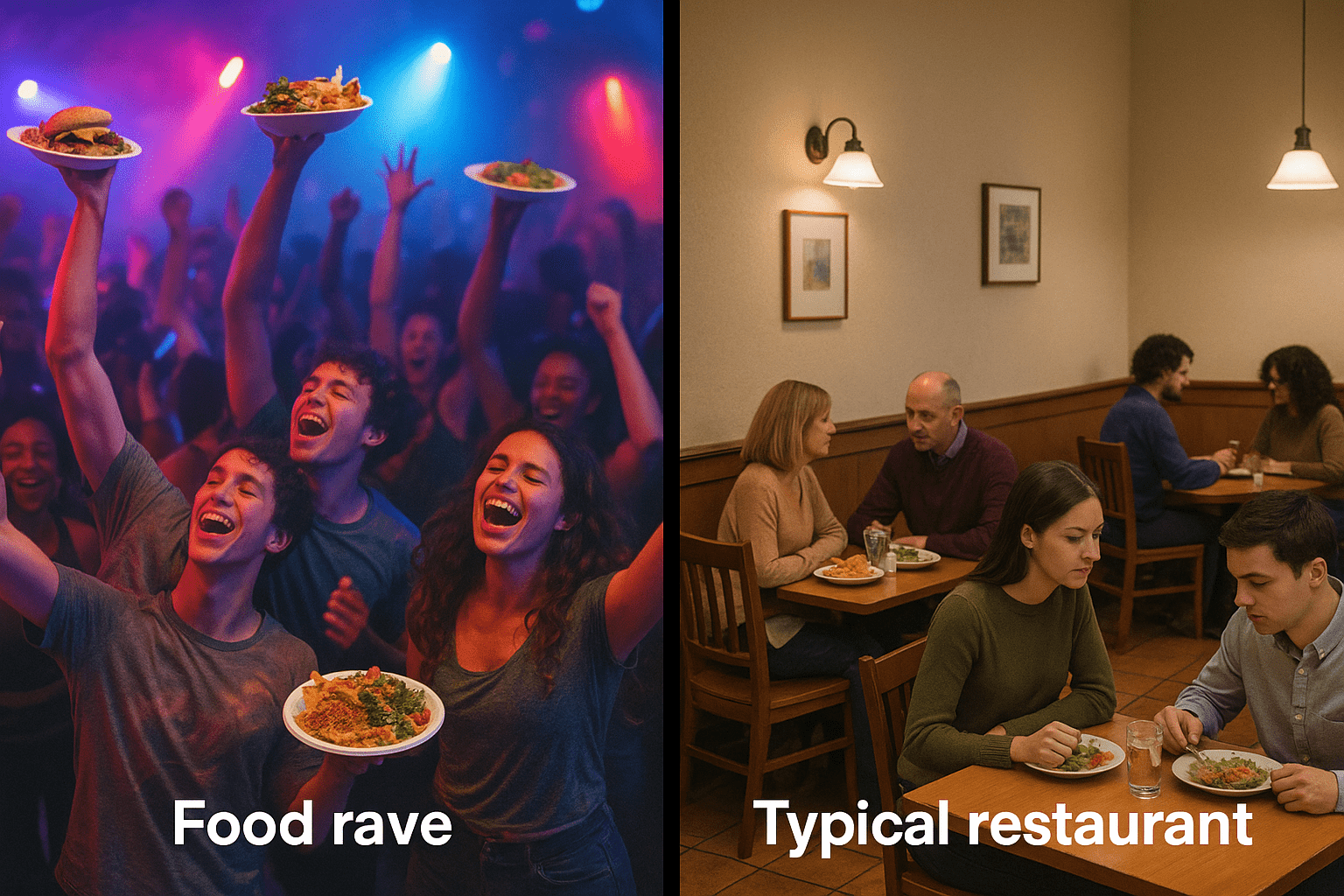
Food raves hint at how food culture is evolving for young India. It is not about opening a café. It is about building moments, brand stories and platforms.
If Gen Z keeps showing up for immersive dining, fusion menus and stronger vibes, restaurants, chefs and brands will have to evolve. The future of food won’t be only about flavours. It will be about spaces, stories and sensory design.
The takeaway
Food is no longer passive. For Gen Z, eating is an event, a performance and a memory. Food raves are the latest proof that youth is demanding more from every experience. Whether they survive long term or morph into new forms, they already tell us something: Gen Z wants food with soundtracks, lights, stories and community.
FAQs about food raves
What exactly happens at a food rave?
A food rave combines food stalls and experimental menus with live DJ sets, neon or themed lighting, and décor built for photos. Attendees eat, dance and shoot content across the night.
Where are food raves happening in India?
Pop-ups are showing up across Indian cities, with Delhi hosting a viral matcha rave where guests wore all-white and tickets sold out in an hour.
How are food raves different from food festivals?
Food festivals are broader and calmer. Food raves are compact, high-energy, limited-edition events that fuse food with EDM, visuals and themed design.
Are food raves expensive?
Ticket prices tend to be high, which is one of the main criticisms, since it locks out fans who cannot afford the cover.
Will food raves last or fade out?
Nobody knows. Some critics call them hype, but even if the format changes, it has already pushed Indian dining toward immersive, sensory experiences.