
Short answer: India’s Gen Z is rethinking the degree-first script. Rising tuition, weak graduate employability (just 45.9% per the India Skills Report 2024), AI eating white-collar work, and faster paths to income through ITIs and apprenticeships are pushing young Indians toward trades like plumbing, welding and electrical work. It’s a practical pivot, not rebellion.
India has long been obsessed with engineering, MBAs, and the quiet weight of “log kya kahenge.” A quiet revolution is brewing now. Gen Z, those born roughly between 1997 and 2012, is taking a detour from the well-trodden academic path. Instead of chasing college degrees, many young Indians are looking at trade jobs and vocational training as practical, meaningful and financially viable alternatives.
This isn’t a blip. It’s a conscious shift driven by economic realities, technological change, and evolving aspirations. Here’s why trade jobs are fast becoming the career of choice for many young Indians.
The decline of blind faith in degrees
Questioning the ROI of higher education
For decades, college degrees were seen as the only ticket to a respectable life. The sheen is wearing off. With rising tuition and stiff competition for limited openings, many Gen Z youth are asking the harder questions: Is a degree worth the debt? Will it really lead to a stable job? According to the India Skills Report 2024, only 45.9% of Indian graduates were considered employable. That’s a sobering number. Add the fact that many graduates are underemployed, earning far less than expected or doing jobs unrelated to their field, and the scepticism becomes justified.
Take Rishabh, a 23-year-old from Lucknow. After two years of engineering college, he dropped out and joined a plumbing apprenticeship. “I was drowning in assignments with no real-world relevance,” he says. “Now I earn ₹25,000 a month, and I’m learning a skill I can use for life.”
Job security in the age of AI
The algorithm won’t replace your electrician (yet)
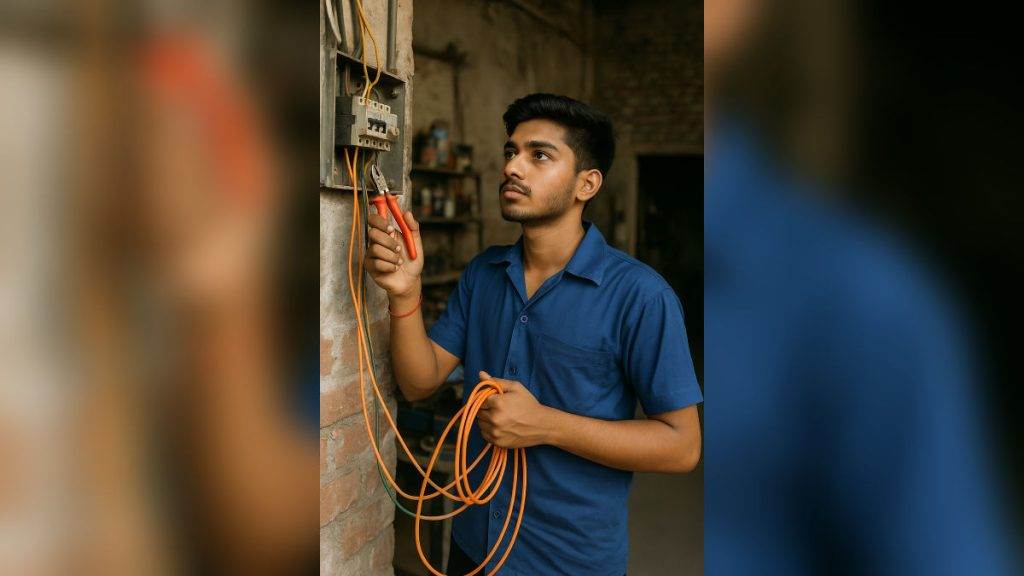
Another reason Gen Z is exploring trade jobs? AI anxiety. As automation and machine learning start replacing white-collar roles, from customer service to data analysis, hands-on trade work feels more future-proof. “AI can’t fix a water heater or wire a building,” says Sheetal, a 21-year-old electrician in Pune. “People will always need skilled workers.”
Many trades, carpentry, welding, automotive repair and certain types of healthcare, require a physical presence, on-the-spot problem-solving and practical expertise that machines simply can’t replicate. At least, not yet.
Craving purpose and practical impact
Making a tangible difference
Gen Z is known for craving meaningful work. They want to see the impact of their effort, in the wild, in real time. Trade jobs deliver that in a way office roles often can’t. Whether it’s laying the foundation for a building, repairing a community’s power grid, or installing a water filtration system, skilled trades produce visible, immediate outcomes. There’s a real sense of accomplishment in that.
“My father worked as a mason,” shares Ayesha, 22, from Hyderabad. “He used to come home tired but proud. I feel the same now. I’m a welder, and every project feels like art.”
A fast track to income and independence
Get paid while you learn
Unlike the long and often expensive college route, trade jobs offer quicker entry into the workforce. Vocational training programs, ITIs (Industrial Training Institutes) and apprenticeships often last 6 months to 2 years, much shorter than a traditional degree. Better still, many programs offer stipends or paid training. That means no student loans, no unpaid internships, just immediate, hands-on experience and a paycheck. This fast track to financial independence is a major draw for Gen Z, especially those from lower or middle-income backgrounds who don’t want to wait four years to start earning.
Trades are getting a tech makeover
Not your grandpa’s toolbox
Gone are the days when trade work meant grease-stained overalls and backbreaking labour. Many skilled trades are undergoing a digital transformation. From smart meters and IoT-powered HVAC systems to augmented-reality training modules, trade work is becoming more tech-driven than ever. That makes it appealing to tech-native Gen Z workers who grew up swiping screens.
Programs like Tata STRIVE and NSDC’s Skill India are weaving these modern tools into their curriculums, making sure young workers come out industry-ready and digitally fluent.
Skills over degrees: a global hiring trend
What you can do > what you’ve studied
The world is slowly waking up to a truth Gen Z already knows: skills matter more than degrees. Companies like TCS, Accenture and Google India are increasingly adopting skills-based hiring, focusing on practical experience and certifications rather than just academic credentials. That has opened doors for skilled workers who may not hold formal degrees but can get the job done, and done well.
The influence of social media
From Instagram plumbers to YouTube electricians
Believe it or not, YouTube and Instagram are playing a surprising role in reshaping career aspirations. Influencers and content creators in the skilled trades, a carpenter showcasing DIY projects, a beautician sharing client transformations, are making these jobs cool, aspirational and visible.
A recent YouTube survey (2023) found that 52% of Indian Gen Z users follow creators in the trades or vocational skill spaces, often using their content as inspiration or informal learning tools.
Better work-life balance
More control, less burnout
Unlike high-pressure corporate jobs with irregular hours and endless meetings, many trade professions offer predictable schedules and even pathways to freelancing or entrepreneurship. Want to work six days a week? Or just three? Open your own salon? Start a plumbing business? Many skilled trades allow for flexible lifestyles, something Gen Z values deeply.
Challenges that still remain
Access and quality gaps
Despite the enthusiasm, challenges remain. Access to quality vocational training in India is still uneven, especially for rural youth, women and marginalised communities. While the NEP 2020 aims to integrate vocational education with mainstream curricula, implementation has been slow. There’s also concern around the quality of short-duration programs, some of which don’t align well with industry needs. Without credible certifications and standardised assessments, not all vocational paths lead to good outcomes.
A shift fuelled by wisdom, not rebellion
Gen Z isn’t rejecting college because they’re rebellious or lazy. They’re rejecting it because they’re informed, practical, and future-focused. They want jobs that pay well, offer security, feel meaningful, and allow freedom. Trade careers, with their modern tech, tangible impact and faster paths to independence, fit that brief.
The old formula, study hard, get a degree, land a job, is being replaced by a new one: learn fast, gain skills, earn smart.
“Degrees open doors. Skills build houses.”
— Anonymous Indian tradeswoman on Instagram
And maybe, just maybe, the future of India won’t be built in lecture halls, but in workshops, salons, garages and studios across the country.
FAQs about Gen Z India choosing trade jobs
Why is Gen Z in India choosing trade jobs over college degrees?
Mostly economics and pragmatism. Per the India Skills Report 2024, only 45.9% of Indian graduates were considered employable, and many face heavy debt or underemployment. Trade jobs offer shorter training, paid apprenticeships, and quicker financial independence.
Are trade jobs in India future-proof against AI?
Largely, yes. Trades like carpentry, welding, plumbing, automotive repair and electrical work need physical presence and situational problem-solving that AI can’t replicate, at least not yet. White-collar roles in customer service and data analysis face more automation pressure.
How much can a young Indian earn in a trade job?
Earnings vary by trade and city. Rishabh, a 23-year-old plumbing apprentice from Lucknow quoted in this piece, earns ₹25,000 a month while still learning. Skilled, experienced tradespeople in metros often earn significantly more.
How long does vocational training in India take?
Programs at ITIs (Industrial Training Institutes) and apprenticeship tracks typically run 6 months to 2 years, much shorter than a traditional degree. Many also offer stipends or paid on-the-job training.
Do Indian companies hire without college degrees?
Increasingly, yes. TCS, Accenture and Google India are adopting skills-based hiring, weighing experience and certifications over formal credentials.