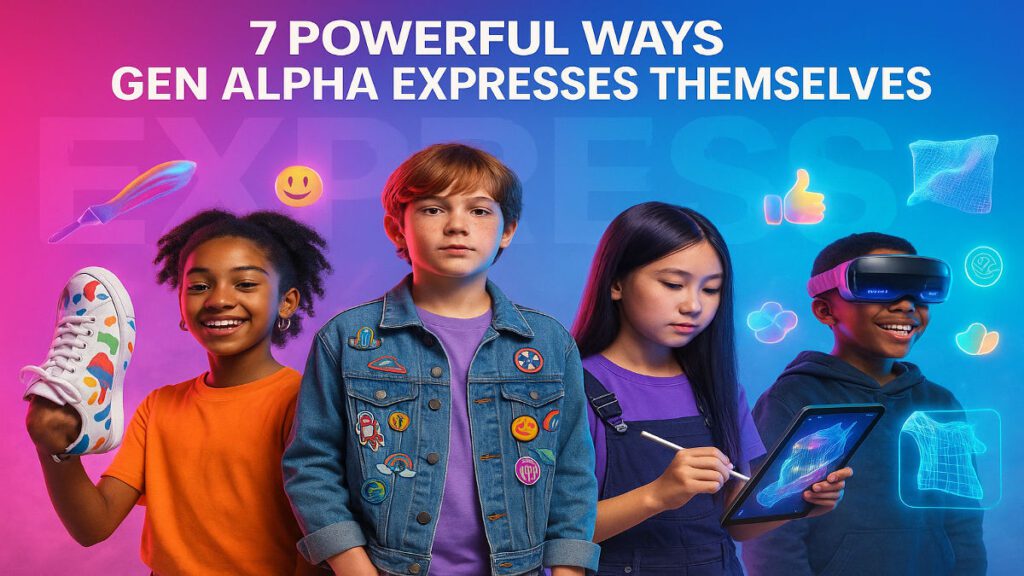
Short answer: Gen Alpha expresses themselves through personalized fashion, digital avatars, sustainable clothing, gender-fluid style, peer influencers, AI-powered art, and purpose-driven projects. For kids born after 2010, self-expression blends identity, activism, and tech.
Fashion and art have always been tools of self-expression. For Gen Alpha, they’re something more. They’re identity. They’re activism. And they’re as digital as they are physical.
Born after 2010, this generation has grown up swiping before speaking, designing avatars before dressing dolls, and drawing on iPads before pencils. As they shape the cultural tides of 2025, Gen Alpha is rewriting the language of style and creativity on their own terms. Here are seven powerful ways they’re expressing themselves through fashion and art, and why it matters.
Why does Gen Alpha choose personalization over perfection?
Forget cookie-cutter outfits. Gen Alpha favors individuality over trends. Their wardrobes are filled with thrifted hoodies, hand-painted sneakers, and tie-dyed T-shirts they made during weekend DIY sessions.
My niece, aged 11, recently stitched patches onto her denim jacket that spelled out “SAVE THE SEAS.” It wasn’t about matching. It was about meaning.
Brands are noticing. Nike By You and Gucci DIY let kids design their own sneakers and accessories, tapping into this hunger for personalization. Even smaller details like bag charms and shoe pins become tiny trophies of expression collected over time.
How does digital fashion shape Gen Alpha identity?
In 2025, your avatar’s outfit might matter more than your own. On platforms like Roblox and Fortnite, kids are spending real money, over $1 billion annually, on virtual clothes, skins, and accessories.
Why? Because their digital selves are extensions of who they are. From glitch-core pants to neon wings, every virtual item carries meaning.
And it isn’t just play. It’s performance. Just as millennials flaunted band tees in high school, Gen Alpha’s digital fashion communicates identity loudly and unapologetically in virtual classrooms, games, and online communities.
What makes Gen Alpha fashion sustainable?
If there’s one thing Gen Alpha won’t wear, it’s waste. Raised on climate awareness and YouTube documentaries, this generation prefers upcycled, eco-conscious fashion.
They thrift. They repurpose. They care.
According to Printful’s 2024 report, Gen Alpha supports brands that only produce clothing on demand, cutting unnecessary waste and environmental harm. They’re shaping a more circular fashion economy, one patch, one swapped hoodie, one upcycled tote at a time.
How is Gen Alpha blurring gender lines in fashion?
Gen Alpha doesn’t believe in “boys’ clothes” or “girls’ clothes.” Just their clothes. Gender-neutral fashion has taken center stage, with more kids experimenting with fluid styles, color palettes, and silhouettes than ever before.
Thanks to virtual try-ons and avatar customization tools, they explore freely without judgment, awkward dressing rooms, or outdated labels.
For many, that fluidity is liberating. It isn’t rebellion. It’s reflection.
Who inspires Gen Alpha style?
Ask a Gen Alpha kid who inspires their style, and chances are you won’t hear “Vogue.” You’ll hear the name of a 14-year-old TikToker with a ring light and a thrift haul.
They trust their peers. Influencers feel like friends, and their recommendations are often valued as much as or more than those of parents.
It’s a culture of sharing, not showing off. A style loop where inspiration bounces from screen to screen, remixing as it goes.
How does AI meet art in Gen Alpha creativity?
When it comes to artistic expression, Gen Alpha isn’t just painting. They’re programming. They use AI tools like DALL·E, Canva AI, and mobile apps that transform voice notes into visuals.
Their art is dynamic. Collaborative. Interactive.
And they don’t just want to look at art. They want to change it. Whether co-creating digital murals in the metaverse or editing remixable templates, they value engagement over passivity. They want to be creators, not just consumers.
What does purpose-driven art look like for Gen Alpha?
Just like their fashion, Gen Alpha’s art speaks volumes about what they believe in. Sustainability isn’t a trend for them. It’s a guiding principle.
They create from recycled materials. They design climate-themed animations. They build art installations powered by solar panels.
I once saw a virtual art gallery created by a group of 10-year-olds featuring AI-generated portraits of endangered animals. Each click donated money to conservation. That’s more than art. That’s impact.
The future of expression is here
Gen Alpha isn’t just a generation. They’re a movement. A colorful, conscious, creative force that blends tradition with tech, personal with political, and style with sustainability.
They’re not waiting for permission to express themselves. They’re already doing it in bold colors, brave choices, and brilliant pixels.
For the rest of us, the lesson is simple: if you want to understand the future of fashion and art, look no further than a 12-year-old with a phone, a paintbrush, and a message. Their world may be virtual, but their impact is very real.
FAQs about Gen Alpha self-expression
How old is Gen Alpha in 2025?
Gen Alpha includes anyone born after 2010, so in 2025 they range from toddlers to about 15 years old. They are already shaping fashion, art, and digital culture.
How much does Gen Alpha spend on digital fashion?
Kids spend over $1 billion annually on virtual clothes, skins, and accessories on platforms like Roblox and Fortnite, treating avatar outfits as extensions of their identity.
Why does Gen Alpha prefer sustainable fashion?
They were raised on climate awareness. Printful’s 2024 report shows Gen Alpha favors brands that produce clothing on demand and support upcycled, circular fashion models.
Which AI tools does Gen Alpha use for art?
Popular picks include DALL·E, Canva AI, and mobile apps that turn voice notes into visuals, letting kids collaborate on dynamic and interactive artwork.
Who are Gen Alpha’s biggest style influencers?
Peer influencers such as young TikTokers with thrift hauls often carry more weight than traditional fashion media, creating a style loop driven by trust and remix culture.