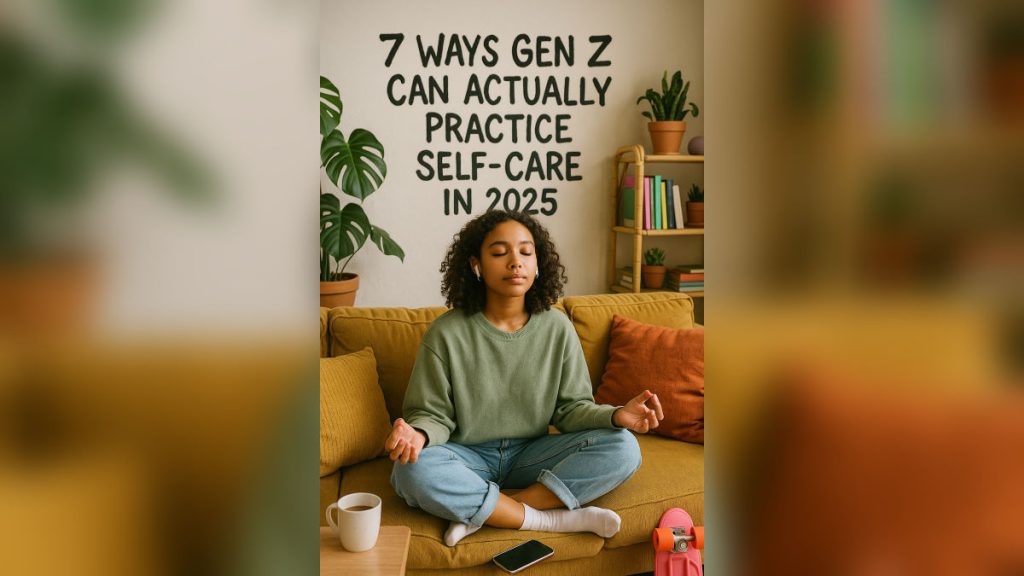
Short answer: Gen Z self-care isn’t candles and DND mode. It’s emotional hygiene, boundary setting, and unlearning toxic productivity. With 70% of Gen Z reporting anxiety or depression symptoms (APA), seven practical habits, from logging off and hydrating to journaling and napping guilt-free, help reset the nervous system without performing wellness.
July 24 isn’t just another date for wellness reels or aesthetic quotes. It’s International Self-Care Day, and it matters now more than ever. Especially for Gen Z.
We’re the generation raised on hustle culture, climate dread, mental health crises, and never-ending screen time. Our nervous systems? Fried. Our group chats? Full of “I’m so burnt out.” And yet we’re the same ones saying “Hey, I need to rest. I need to feel. I need to breathe.”
Self-care in 2025 isn’t about luxury. It’s about staying alive, sane, and soft in a loud, heavy world.
What does self-care actually mean for Gen Z?
Let’s get this straight. It isn’t only candles, skincare, or turning your phone on DND (though yes, we love all that). Real self-care is something else entirely.
Saying no without spiralling
Taking rest without “earning” it
Going to therapy
Crying without shame
Unlearning toxic productivity
Choosing peace over perfection
It’s emotional hygiene. It’s boundary setting. It’s being honest with yourself when things feel off. And Gen Z? We’re rewriting the whole manual.
Why is Gen Z doing self-care differently?
We’ve seen what burnout does. Lived through lockdowns. Scrolled through trauma and memes back to back. We know how loud life can get, and we’re not pretending to be okay just to keep up appearances.
According to the APA, 70% of Gen Z reported anxiety or depression symptoms in the past year. The plot twist? We’re not hiding it. We’re healing out loud, making therapy normal, talking boundaries on TikTok, and celebrating naps like wins, all while the world tells us to grind harder and somehow still look effortless doing it.
Self-care isn’t a flex. It’s a form of resistance. And Gen Z is leading the charge.
What are 7 Gen Z self-care habits that actually help?
Drop the pressure to have a perfect wellness routine. Here are 7 things you can try this week that your brain, body, and heart will appreciate.
1. Log off (yes, really)
Take a break from the scroll. One hour off your phone equals actual mental clarity.
2. Hydrate and move
Water plus a 10-minute stretch? Basically a love letter to your future self.
3. Clean your feed, not just your room
Unfollow anyone who drains your vibe. Curate peace.
4. Normalise crying
Tears don’t mean weakness, they mean you’re feeling. That’s strength.
5. Brain dump beats bottle up
Journaling isn’t cringe. Get the chaos out of your head and onto paper.
6. Nap guilt-free
Capitalism wants you exhausted. Rebel with a nap.
7. Talk to someone real
Vulnerability equals courage. Text your bestie. Call your cousin. Say what’s on your heart.
You don’t need to earn a break
Read that again. You don’t need to hit 7 goals, clean your room, and finish your to-do list to be allowed to rest. You’re worthy of care now. Not later. Start treating yourself the way you treat your favourite people, with softness, support, and patience.
How do you become your own safe space?
On International Self-Care Day, choose you. Softness over hustle. Boundaries over burnout. Presence over pressure. Whether your self-care looks like lying on the floor in silence, dancing in your room, or texting your therapist back, it’s valid.
You don’t need to perform healing. Just show up for yourself a little more every day. Because the boldest move in 2025? Loving yourself out loud.
FAQs about Gen Z self-care
What is real self-care for Gen Z?
Real self-care is emotional hygiene, not bath bombs. It means saying no without guilt, taking rest without earning it, therapy, journaling, and unlearning toxic productivity.
How many Gen Z report anxiety or depression?
Per the APA, around 70% of Gen Z reported anxiety or depression symptoms in the past year. This generation talks about it openly, normalising therapy and boundary-setting.
What is the easiest self-care habit to start with?
Log off your phone for one hour. Pair it with water and a 10-minute stretch and you’ve covered three habits at once.
When is International Self-Care Day?
July 24. It’s a public reminder that rest, boundaries, and emotional health are non-negotiable, especially for a generation navigating hustle culture and nonstop screen time.