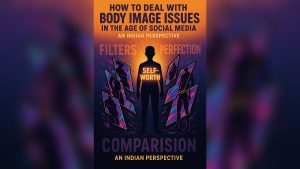

Short answer: FOMO is anxiety dressed as a notification. Gen Z can dial it down by naming the feeling, cutting scroll time, building real-life rituals, and embracing JOMO, the Joy of Missing Out, until presence quietly outweighs the pressure to be everywhere.
You’re scrolling through endless stories, beach getaways, concert nights, café brunches, glossy selfies, and a small ache settles in. Life looks like it’s happening somewhere else, and you weren’t invited. That sinking feeling has a name: Fear of Missing Out, or FOMO.
For Gen Z, the digital natives raised in a hyper-connected, hyper-curated feed, FOMO isn’t a buzzword. It’s a recurring emotion that messes with mental peace, distorts self-image, and keeps you chasing a “better” life that mostly exists in 4:5 portrait crops.
The good news? FOMO doesn’t have to run your day. Here’s how to handle it meaningfully, and maybe flip it into something useful.
What is FOMO, really?
FOMO is more than a passing twinge. It’s the anxiety that other people are having more fulfilling experiences than you are. And it’s amplified by what we see online. Instagram, Snapchat, TikTok, all built on highlight reels, dream internships, glamorous parties, perfectly lit holidays. We forget we’re seeing the best five seconds of someone’s day, not the whole twenty-four hours.
As Maya, 19, puts it: “I once cried seeing a friend’s story from a house party I wasn’t invited to. Later, she told me the party was boring and she left early. But I had already let it ruin my night.”
The gap between what is real and what is projected, that’s the soil FOMO grows in. But you can train your mind to respond differently.
Acknowledge the feeling first
Step one? Don’t shame yourself for feeling left out. FOMO is wildly common, especially for teens and young adults still figuring out who they are. You’re allowed to feel envious, sad, frustrated. The trick is to name the emotion without letting it write the script.
Try this. Next time FOMO rises, pause and tell yourself, “It’s okay to feel this way. My emotions are valid, but they don’t have to control me.” That tiny moment of awareness shifts things more than you’d expect.
How do you cut back on the scroll without quitting?
No denying it, social media is FOMO’s home turf. The single most useful lever in managing FOMO is reducing your exposure.
You don’t need to delete anything overnight. But you can:
- Set screen time limits
- Keep “Do Not Disturb” on during certain hours
- Unfollow or mute accounts that trigger comparison
- Take a 24-hour social detox now and then
A 2021 University of Bath study found that just one week off social media led to real improvements in well-being, anxiety and depression. Sometimes less is more. Sometimes a lot more.
Practise mindfulness and gratitude
FOMO thrives when your attention is everywhere except here. Counter it by grounding in the present.
Simple stuff:
- Slow breaths when anxiety spikes
- Three things you’re grateful for, scribbled daily
- Small pleasures, a good chai, a playlist on loop, a walk that loops back through the colony
These rewire your brain to notice what you have, instead of mourning what you don’t.
“Gratitude journaling literally saved me,” says Tarun, 21. “I used to feel like I wasn’t doing enough, but writing things down helped me realize how much joy already exists in my life.”
Connect more in real life
Loneliness fuels FOMO. Even with a thousand online connections, nothing replaces being in a room with people who know you.
Make time for:
- Casual meet-ups with friends
- Family dinners
- Campus hangouts or club activities
- Volunteering or community work
Strong offline relationships build emotional security. They also slowly cut your dependence on virtual validation.
Embrace JOMO: the Joy of Missing Out
What if you flipped FOMO on its head? Enter JOMO, the Joy of Missing Out. It’s a mindset where you find peace in not always being “in the loop.” Take pride in staying home with a book. Celebrate quiet Friday nights. Feel good about choosing rest over rave.
As Naina, 23, shares: “There was a time I went to every event just because I feared missing out. Now, I love saying no and spending time with myself. It feels liberating.”
Your life doesn’t have to be loud to be meaningful.
Remember: social media isn’t real life
Here’s the truth Gen Z forgets often. People curate what they want you to see. That influencer flexing the Bali trip might be deep in burnout. The friend flaunting a luxury bag might be drowning in EMIs. Nobody posts the messy room or the therapy session. Every time you compare your behind-the-scenes to someone else’s highlight reel, peace leaks out.
Tell yourself: “Everyone’s struggling with something. I just can’t see it.”
Redirect the energy to your goals
Comparison stunts growth. But focus inward and something quietly amazing happens, FOMO fades and self-confidence grows.
Ask yourself:
- What do I want to achieve?
- What makes me feel alive?
- What can I learn, build, or create today?
Whether it’s a podcast, learning to code, writing poetry or finally building that skincare routine, make your own journey the interesting one. Celebrate small wins. Compete only with last-month-you.
Set boundaries. Learn to say no.
Sometimes we say yes just to feel included, even when it drains us. Overcommitting only stacks more anxiety on top.
Give yourself permission to say no to plans that don’t match your energy, time, or values. People may not always understand, and that’s fine. Choosing your well-being isn’t selfish. It’s wise.
When should you seek help for FOMO?
If FOMO is sliding into something heavier, persistent anxiety, low mood, insomnia, it’s time to talk to a mental health professional. Therapists can untangle thoughts, challenge negative loops, and help you build healthier coping tools. Asking for help isn’t weakness. It’s strength.
Be kind to yourself
Practise self-compassion. You are not your social feed. You are not your missed invites. You are enough, exactly as you are, exactly where you are.
Perfection isn’t real. Authenticity is.
“I started replacing the phrase ‘I’m missing out’ with ‘I’m choosing me,'” says Ravi, 20. “And suddenly, everything felt lighter.”
Rewrite the narrative
FOMO isn’t just a symptom of the digital age, it’s a nudge to reconnect with what actually matters.
Next time the familiar tug shows up, ask:
- What am I really afraid of missing?
- What am I choosing instead?
- What would make me feel fulfilled right now?
The most rewarding moments rarely make it on camera. They’re the quiet ones, the real ones, the ones you build on your own terms. Choose presence over pressure. Choose you.
FAQs about dealing with FOMO
How do I know if I’m experiencing FOMO or just feeling left out?
FOMO is recurring, social-media-triggered anxiety that lingers even when nothing’s actually wrong. Feeling left out is usually tied to a specific event. If checking your feed regularly leaves you anxious, low or comparing yourself for hours after, that’s FOMO, not a one-off.
Does deleting social media really cure FOMO?
It helps a lot, but it isn’t a permanent fix. The 2021 University of Bath study found one week off social media improved well-being, anxiety and depression. Lasting change usually comes from rebalancing, not deleting forever, plus building in real-life rituals that fill the space.
What’s the difference between FOMO and JOMO?
FOMO is anxiety about missing out on what others are doing. JOMO is the Joy of Missing Out, finding genuine peace in opting out, in quiet evenings, in declined invites. JOMO doesn’t deny FOMO exists. It just refuses to let it run the show.
Can FOMO actually affect mental health long-term?
Yes. Chronic FOMO is linked to increased anxiety, lower self-esteem, sleep disruption and depressive symptoms in young adults. If it’s affecting how you sleep, eat or function for more than a couple of weeks, it’s worth speaking to a counsellor.
How long does it take for JOMO to feel natural?
Usually two to three weeks. The first few days of opting out feel like withdrawal, restless thumb, phantom buzz. Then your nervous system catches up, and quiet stops feeling like punishment.