
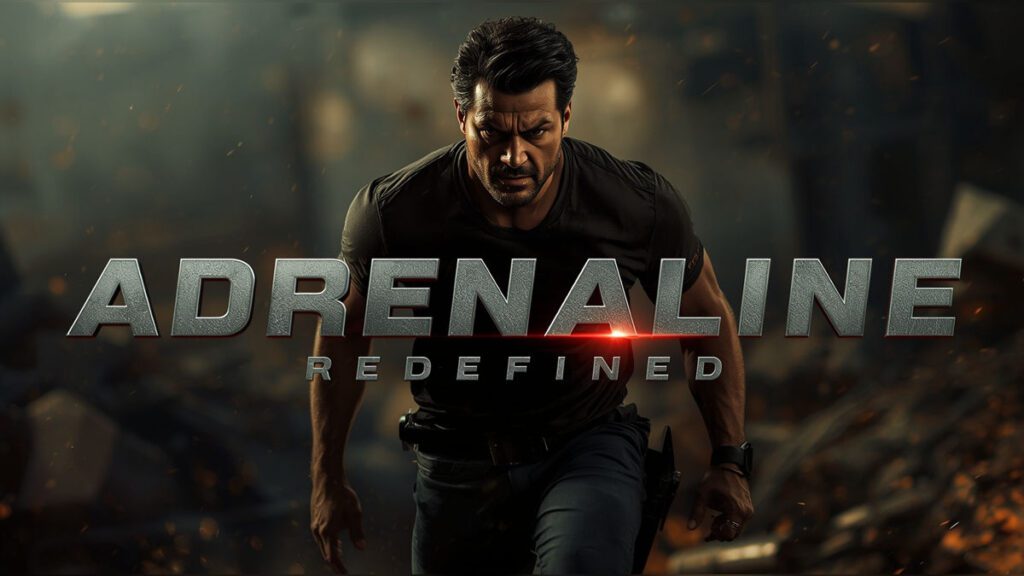
Short answer: Action culture in 2025 has moved from spectacle to intention. Films, games, fitness, and real-world adventure now reward discipline, emotional depth, and purpose over raw speed or explosions.
Action used to mean energy, movement, and thrill. In 2025, the definition has shifted. It is no longer about how fast you move, but why you move.
From blockbuster films and video games to parkour, fitness, and adventure travel, the culture is turning from chaos to consciousness. Controlled intensity now defines the space where adrenaline meets awareness.
A free climber scaling cliffs without ropes and a gamer battling AI enemies with precision share the same idea: purpose-driven momentum. Mastering yourself comes before mastering the moment.
How have action films shifted from explosions to emotion?
Action films once ran on spectacle: massive explosions, car chases, and heroes who never blinked. Audiences have changed. Viewers now want emotional connection alongside visual impact.
Look at John Wick: Chapter 5 rumors or Extraction 3 teasers. Fans no longer watch only for violence; they look for vulnerability. The quiet moments between the chaos matter more than the chaos itself.
In 2025 action cinema, the heart rate spikes when characters hesitate and choose mercy over mayhem. Emotional choreography is replacing explosive choreography. Empathy has become the ultimate power move.
Why is gaming the new battlefield of purpose?
Gaming has become the modern frontier of action. Unlike arcade-era button-mashing, today’s gamers are strategic, ethical, and emotionally invested.
Titles like Ghostrunner II, Cyberpunk 2077: Redux, and Helldivers 2 push the boundaries of what action feels like. They combine speed, sound, and sensory overload with decisions that test morality. Every mission matters for principle, not just points.
Gaming now teaches mindfulness through chaos. You think while reacting. The best players are not the fastest; they are the calmest under pressure. True action is intentional, not impulsive.

Why has real-world adrenaline surged?
Beyond screens, appetite for real-life action has grown. Adventure travel, extreme sports, and endurance challenges are booming among Gen Z and Millennials.
People are swapping comfort for confrontation with themselves. Hiking into the Himalayas, skydiving over deserts, or cold plunges at dawn are less about danger and more about presence.
We live in a world of overstimulation. Real-world action offers an antidote: pure focus. When body and mind align, fear becomes fuel. That is the magic of movement-driven mindfulness.
How has fitness become a modern action discipline?
In 2025, fitness has gone cinematic. Workouts are immersive experiences inspired by action heroes and athletes, not repetitive routines.
Studios are blending martial arts, functional training, and VR simulations into hybrid fitness ecosystems. Programs like “MissionX” and “Urban Spartan” simulate action movie scenarios, including rescuing virtual civilians, dodging obstacles, and scaling walls, while burning calories and building discipline.
Action fitness is about mentality, not muscle alone. It teaches resilience, control, and courage under pressure. Train for movement and you train for life.

What is the action mindset of discipline over drama?
The biggest shift in action culture is mental. Once tied to recklessness, action today stands for discipline.
The best stunt performers, martial artists, and athletes operate from control, not chaos. They rehearse endlessly, meditate before fights, and respect limits instead of testing them blindly.
The “calm warrior” archetype, seen in icons like Keanu Reeves, Tom Cruise, and Michelle Yeoh, captures this balance. They hold focus amid frenzy, proving real action heroes are thinkers first.
This mindset applies everywhere. Every time you leave your comfort zone, you engage in action. Speaking up in a meeting, starting a side hustle, or running your first marathon: action is a mental discipline before a physical one.
How is technology amplifying the thrill?
Technology has turned action into an immersive art form. High-frame-rate cameras, motion capture suits, AI stunt simulations, and drone cinematography have changed how we experience intensity.
VR and AR now go beyond gaming. People use haptic suits to train like elite soldiers or simulate high-speed chases in complete safety. Filmmakers are crafting first-person action sequences that feel almost too real.
AI stunt modeling can predict human motion in split seconds, cutting risk and allowing more daring scenes to be shot safely. The result is action that feels authentic and safer than ever before.
Technology has not replaced human grit. It has enhanced it. The boundary between real and virtual action is blurring, but the adrenaline remains real.
How are women redefining the action genre?
Action is no longer a man’s world. Female leads are breaking stereotypes and rewriting the rules of intensity.
From Florence Pugh’s grounded power in Thunderbolts to Charlize Theron’s return in The Old Guard 2, female-driven action is about identity, not imitation. These characters do not fight to prove strength; they fight with purpose.
Off-screen, women are dominating combat sports, parkour communities, and stunt coordination roles. The new wave celebrates balance, with grace and grit coexisting.

Can action work as therapy?
Psychologists now see controlled adrenaline as therapeutic. Rock climbing, boxing, and tactical simulation games are being used to treat anxiety and boost focus.
When your body experiences adrenaline in a safe, intentional environment, it resets your stress response. The feeling of “fight or flight” becomes “focus and flow.”
That is why so many people describe intense physical activity as meditation in motion. It is about emotional release, not only the thrill.
What is the future of action?
As we move toward 2030, action will be defined by hybrid experiences that merge emotion, purpose, and precision.
Imagine an action film where every explosion syncs with biometric data from the audience’s pulse. Or a game that adjusts its speed based on your focus levels. Technology and mindfulness will merge into personalized adrenaline experiences.
Beyond innovation, the philosophy of action will keep evolving. The heroes of the future will not be those who move fastest; they will be those who move with intent.
Action, at its core, is not chaos. It is harmony in motion, a balance of control and courage.
FAQs about action culture in 2025
What does action culture mean in 2025?
Action culture in 2025 refers to a shift from raw spectacle to purpose-driven intensity across films, gaming, fitness, and real-world adventure. Control, discipline, and emotional depth now matter more than sheer speed.
Which 2025 action films show the emotional shift?
Rumored titles like John Wick: Chapter 5 and Extraction 3 teasers lean into vulnerability and quiet moments. Female-led films such as Thunderbolts with Florence Pugh and The Old Guard 2 with Charlize Theron reflect identity-driven action.
What are the best action games for purpose-driven play?
Ghostrunner II, Cyberpunk 2077: Redux, and Helldivers 2 combine speed and sensory intensity with moral decisions. They reward calm, strategic players over fast button-mashers.
How does action fitness differ from regular workouts?
Action fitness blends martial arts, functional training, and VR simulations. Programs like “MissionX” and “Urban Spartan” recreate movie-style missions that build discipline and resilience alongside strength.
Can adrenaline activities help with anxiety?
Yes. Psychologists use rock climbing, boxing, and tactical simulation games in controlled settings to reset the stress response. Intentional adrenaline can convert fight-or-flight into focus and flow.