
Ancient Stories, Modern Lives
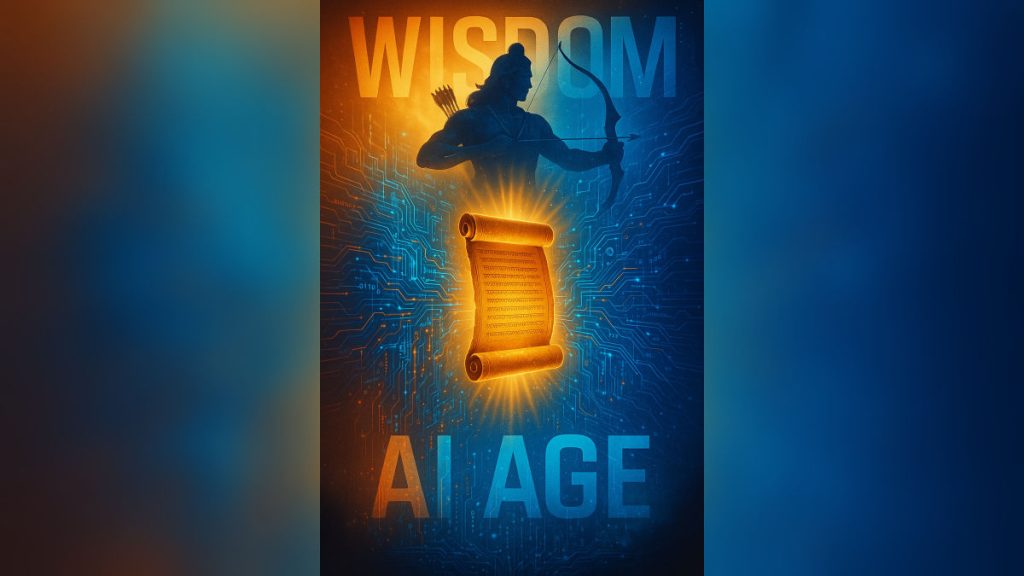
The world of Gen Z is shaped by screens, algorithms, and relentless digital connectivity. Notifications dictate attention, social validation drives self-worth, and the pressure to succeed often feels overwhelming. Yet, centuries before smartphones and social media, India’s epics such as the Ramayana grappled with timeless questions about balance, purpose, and integrity. Far from being an old story locked in the past, the Ramayana offers values that resonate deeply in an age dominated by artificial intelligence, hustle culture, and curated online identities.
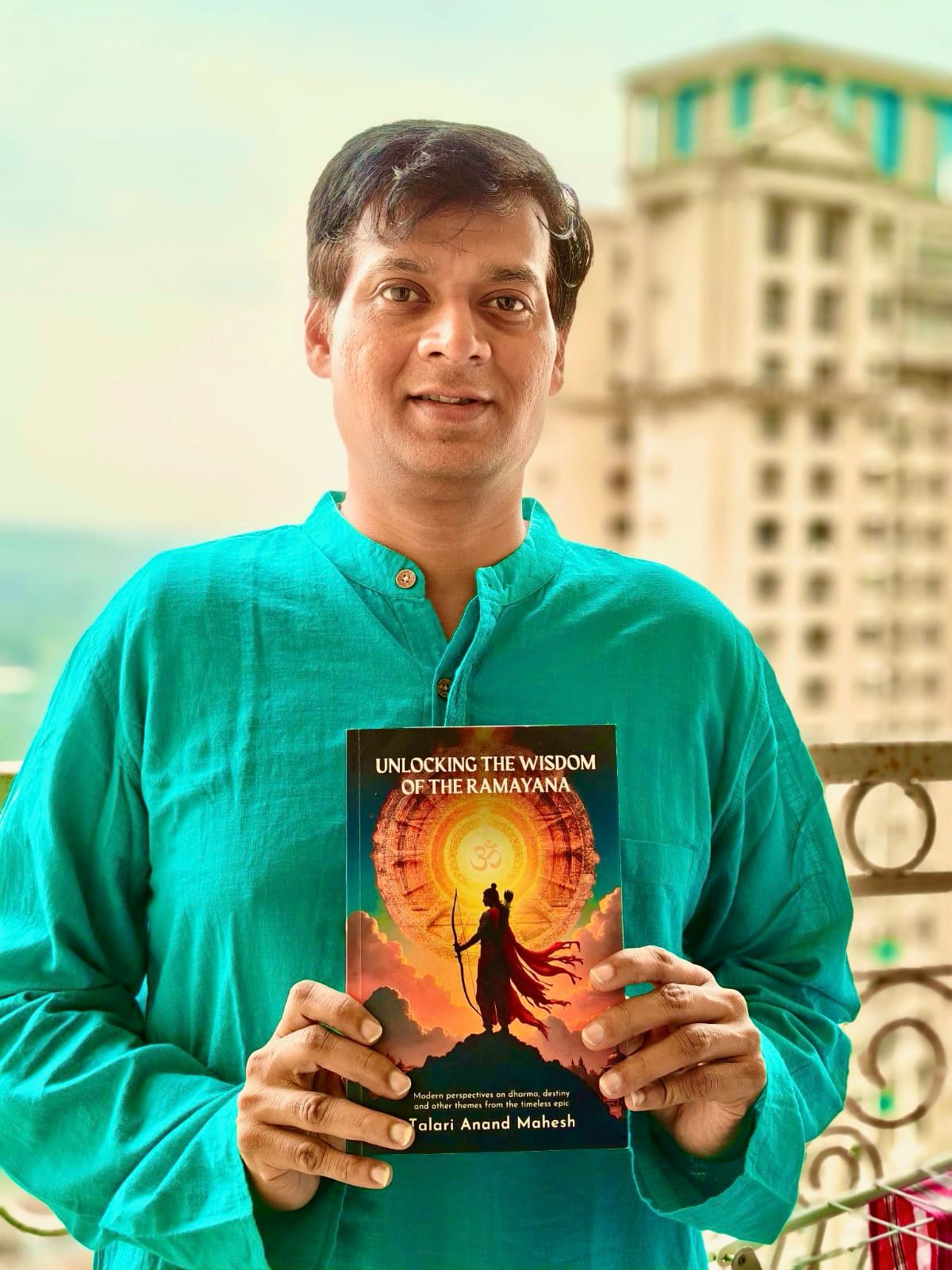
When I first studied the Ramayana in detail for my research, I realised that beneath the larger-than-life battles and divine interventions lie lessons about humility, discipline, empathy, and truth. These are lessons that can help today’s youth thrive amidst chaos.

Humility in the Age of Self-Promotion
We live in a time where the loudest voices and boldest selfies dominate attention. The number of followers and likes often defines success. Yet the Ramayana shows us another model. Rama, despite his victories and power, never displayed arrogance. His humility became the foundation of his leadership and respect.
For Gen Z, authenticity is becoming more valuable than manufactured perfection. A grounded presence be it online or offline creates trust, a rare currency in today’s attention economy. Humility, then, is not weakness but strength, allowing genuine relationships to flourish.
Focus Amidst Digital Distractions

Social media reels, binge-worthy content, and gaming platforms relentlessly compete for attention. The Ramayana reminds us that clarity of mind is essential to meet challenges. Sage Vishwamitra’s call to Rama to protect his rituals while demons threatened illustrates the importance of calm focus.
Lakshmana’s unwavering discipline during exile is another example. For today’s youth, mindfulness practices like meditation, journaling, or a simple digital detox can help reclaim focus in a noisy landscape. Disconnecting, even temporarily, is akin to the forest retreat described in the epic: a space to rediscover stillness and purpose.
Forgiveness and Kindness in a Polarised World

Trolling, outrage, and show-off culture dominate online interactions. Holding grudges has become fashionable, but the Ramayana highlights the liberating power of forgiveness. King Kushanabha’s lesson to his daughters, after their humiliation by Vayu, reflects the wisdom of letting go.
For Gen Z, choosing kindness over hostility is revolutionary. In a digital ecosystem where words can wound as much as weapons, empathy and forgiveness can preserve mental health and strengthen communities.
Discipline: The Core of Resilience
Rama’s self-restraint contrasts sharply with Ravana’s downfall, which was rooted in unchecked desire. The parallel today is striking. Digital addictions, from compulsive scrolling to real-money gaming, consume time and derail lives.
Practicing discipline whether in screen-time boundaries, conscious spending, or daily routines ensures credibility and clarity. Small acts of discipline compound into resilience, making individuals better equipped to handle uncertainty.
Reputation in the Digital Era
In ancient Ayodhya, reputation and honour were more valuable than wealth. In the digital age, reputation lives on feeds, portfolios, and timelines. Every post, every comment is a footprint shaping how others perceive us.
Like Rama, who earned trust through integrity and consistency, Gen Z must align personal branding with authentic values. Digital credibility rests not on trends but on truthfulness and responsibility.
Knowledge Plus Action: Beyond Procrastination
Information today is limitless, but wisdom is scarce. The Ramayana shows that knowledge without action is insufficient. Rama consulted advisors, reflected deeply, and then acted decisively whether in alliances with Sugriva and Hanuman or the strategy to defeat Ravana.
Gen Z often struggles with procrastination, waiting endlessly to begin. The lesson is clear: knowledge is potential, but progress belongs to those who act with timeliness and courage.
Simplicity in a Consumerist Age

The Ramayana celebrates harmony with nature and a life of simplicity. Today’s urban lifestyles, by contrast, often promote overconsumption. The rise of the “urban poor” where individuals drown in debt from chasing brands and gadgets is evidence of the cost.
Gen Z can find freedom in choosing experiences, community, and purpose over material clutter. Simplicity nurtures both happiness and sustainability, two values desperately needed in a consumer-driven age.
Patience in a World of Instant Gratification
From food to fame, everything is expected instantly today. Yet Rama’s long exile and delayed return to Ayodhya remind us that profound achievements demand patience.
For young people accustomed to immediate results, this is a grounding lesson. Endurance and perseverance not only strengthen character but also yield deeper, lasting rewards than fleeting wins.
Truth as the Bedrock of Credibility
Misinformation, fake news, and algorithm-driven narratives dominate feeds. Standing for truth has never been more challenging or more necessary. Rama’s insistence on upholding truth, even when painful, sets a benchmark for integrity.
For Gen Z, credibility in academics, careers, and personal relationships depends on honesty. Integrity is the one value that outlives shifting digital trends.
Balance: Health and Lifestyle
Lifestyle diseases such as obesity, hypertension and anxiety bouts are rising sharply among the youth. Unhealthy diets, erratic routines, and excessive digital consumption take a toll. The Ramayana emphasises moderation in desires and actions.
For the digital-first generation, balance means more than just exercise or diet. It means creating routines that nurture body, mind, and spirit. Moderation and discipline serve as shields against the pressures of a fast-paced world.
A Living Guide for the Future

The Ramayana is more than itihaas; it is a mirror reflecting timeless values into modern contexts. For Gen Z navigating the AI age, its lessons are not relics of the past but strategies for the future. Humility builds authenticity, discipline fosters resilience, patience shapes wisdom, and truth ensures credibility.
In a world where technology promises convenience but often delivers stress, the Ramayana offers a compass. It reminds us that progress without principles is hollow. The epic’s enduring wisdom suggests that while tools may change, the essence of living with integrity, empathy, and balance never does.