
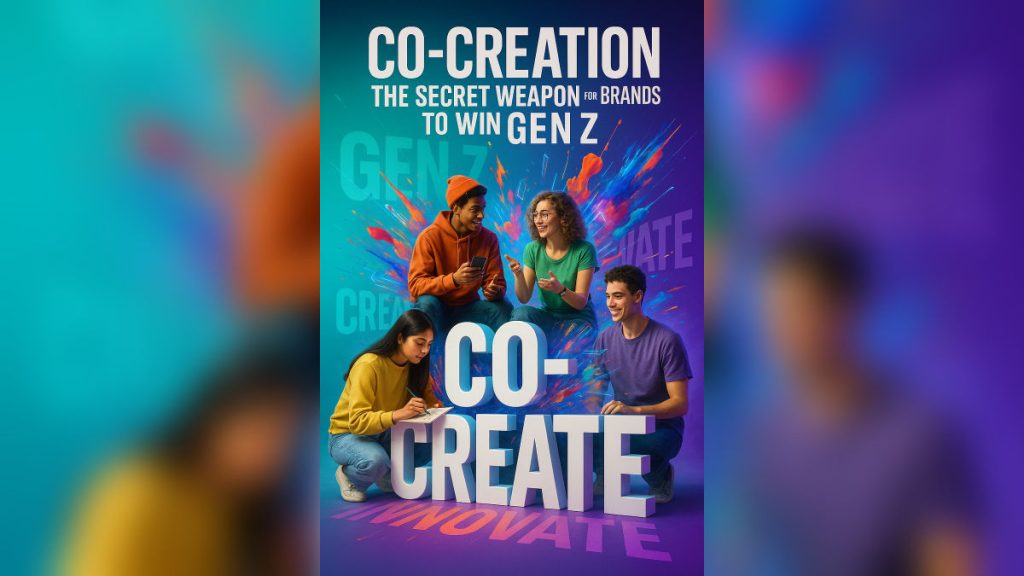
Envision a world where you’re not just a customer but a collaborator. In 2025 India, that world is here. Across industries, brands aren’t just marketing at Gen Z; they’re creating with Gen Z. From new product designs to viral film campaigns, companies are inviting young Indians to co-create everything alongside them. And the payoff? Fresh innovation, authentic brand stories, and fiercely loyal fan communities. This is no gimmick or niche experiment; it’s a full-on movement led by your generation. In fact, 58% of businesses are now running co-creation
projects to spark innovation. Co-creation is fast becoming the ultimate marketing hack of 2025, and Gen Z is in the driver’s seat.
The Co-Creation Generation Takes Charge
“Co-creation” used to be just a fancy term, but it’s now a big deal, especially because Gen Z in India insists on having a say. With over half of India’s population under 25, these young folks aren’t happy just buying stuff—they want to help shape it. Raised on social media, they see no
real divide between themselves and brands. Everyone’s got a voice, so why not use it to influence the products and experiences they’re spending their money on?
This shift is changing how brands and people connect. Gen Z, empowered by tech and driven by purpose, expects to be heard. Co-creation is the answer—brands are opening up, inviting input through things like crowdsourced designs or community votes on new features. These used to be rare experiments, but now they’re standard. Gen Z aren’t just following trends; they’re setting them. Smart brands are paying attention. A recent survey showed 61% of businesses say co-creation leads to products that actually match what customers want. When you involve the people who’ll use your product in creating it, you’re way more likely to get it right.
Why Gen Z Loves Co-Creation
Gen Z grew up with digital teamwork, so collaborating on projects feels natural to them. Co- creation fits their values perfectly—it’s transparent, letting them peek behind the curtain of brands. It welcomes diverse voices, sparking fresh ideas from young people living at the heart of culture. It also lets them push for meaningful solutions that reflect their ideals. Most importantly, it gives them a sense of ownership, turning them from regular customers into passionate brand advocates.
In short, co-creation is what Gen Z wants: realness, inclusion, and impact. They don’t want brands talking at them—they want to have a conversation. Brands that collaborate show they respect young people’s creativity and ideas.
Real-Life Examples in India
This isn’t just talk—it’s happening across fashion, tech, food, and entertainment in India. Here’s a prime example:
Saiyaara’s Blockbuster Success: Mohit Suri’s 2025 film Saiyaara, starring Gen Z newcomers Ahaan Panday and Aneet Padda, became a massive hit without much traditional marketing. Instead, young fans took over, creating memes and heartfelt reels from the emotional trailers and music. Their organic buzz pushed the movie past ₹400 crore at the box office, proving Gen Z can amplify a brand when they’re part of the story.
Gen Z built the Saiyaara movement by making viral emotional reaction videos and memes that connected with young hearts. And turning the absence of promotions into a point of intrigue and authenticity. Generating word-of-mouth that drove the film to one of 2025’s biggest
openings in India.
The result? A cultural phenomenon created with Gen Z—not just marketed to them. YouTube’s 2024 trend report revealed 65% of Gen Z identify as video content creators, underscoring their role in co-creating entertainment, often through collaborations with brands and platforms.
Innovation with Gen Z Input (No Flops Allowed)
Co-creation isn’t just feel-good – it’s delivering serious innovation and business results. By tapping Gen Z’s collective creativity, companies dramatically lower their chances of a flop. After all, a product co-designed by its future users is far less likely to miss the mark. In fact, research shows co-creation can directly boost the bottom line. Over half of companies (51%) say that co-creation improved their financial performance, thanks to huge savings on R&D and marketing and reduced customer churn. When you build with your audience, you’re essentially pre-validating ideas and ensuring there’s demand – so you don’t waste money on wrong guesses.
Beyond profits, co-creation helps brands stay culturally relevant. It keeps companies attuned to real-time trends and customer needs since the crowd is guiding the process. The old mantra of “build it and they will come” is being replaced by “build it with them and they are already
there.” In practice, that means when a brand involves young consumers from the start, those consumers are on board by launch day – along with all the peers they’ve told about the project.
It’s the ultimate insurance policy for staying relevant. Little wonder that in one global study, 54% of businesses said co-creation improved their social impact as well, likely because working with your community leads to solutions that genuinely resonate and do good (not just sell). When you invite Gen Z to co-create, you’re not just making a new gadget or ad campaign – you’re making something that truly fits the culture and forwards the values that young people care about.
The Bottom Line: Built With Us, Not For Us

Co-creation has emerged as Gen Z’s biggest branding power move because it flips the script on who gets to shape culture and commerce. It’s no longer a top-down monologue; it’s an ongoing conversation. This approach checks all the boxes that matter in 2025: it drives innovation,
boosts engagement and loyalty, keeps things authentic, and even delivers social impact. But more importantly, it empowers young people to see their fingerprints on the products and brands in their lives.
For Gen Z, co-creation means your voice can genuinely influence even the biggest companies. For brands, it means opening up and trusting the very people they serve. Yes, it takes courage—companies have to be brave enough to let go of a bit of control and humble enough
to truly listen. Not every crowdsourced idea will be pure gold, and managing thousands of inputs can be messy. Yet, the brands that get it right are reaping a powerful advantage. They’ve learned an essential truth: people support what they help build.