


Short answer: Arrogance may perform on social feeds, but humble confidence wins where it counts. For Gen Z, grounded self-assurance builds trust, fuels collaboration, and turns influence into long-term credibility. Empathy, not superiority, is the real power move.
Trends move fast. One week it is a viral sound. The next, it is a new micro-aesthetic taking over your feed. Beyond fashion drops and algorithm hacks, there is another vibe circulating: a hyper-curated, untouchable energy that often tips into arrogance.
From a distance, arrogance can look like dominance. It feels bold. Self-assured. On social media, it can even look aspirational. Scratch the surface and the cracks appear. For a generation redefining culture, leadership, and digital identity, arrogance should not be the flavour of the season.
Real influence does not shout. It resonates.
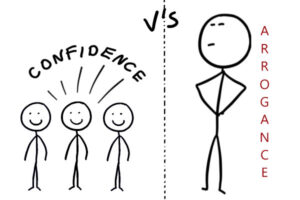
What is the difference between confidence and arrogance?
Confidence says, “I know my value.”
Arrogance says, “I’m more valuable than you.”
The difference sounds subtle, but the consequences ripple outward.
Research published in the Journal of Personality and Social Psychology suggests that individuals who show excessive self-importance often struggle to maintain strong, long-term relationships. They may appear charismatic or competent at first, but trust erodes over time. Respect thins out.
I saw this firsthand during a college group project. One teammate was brilliant: articulate, quick-thinking, undeniably sharp. At first, we leaned on his leadership. As meetings progressed, something shifted. He dismissed suggestions. Interrupted mid-sentence. Treated collaboration like competition. By the end, the group dynamic felt strained. His intelligence wasn’t the problem. His inability to listen was.
Talent opens doors. Humility keeps them open.
Why does the algorithm love loud while life rewards depth?
Gen Z grew up in the era of personal branding. Instagram and TikTok reward strong opinions, sharp clapbacks, and bold personas. Confidence performs well. Controversy performs even better.

Here is the paradox: algorithms reward attention, but real life rewards emotional intelligence.
According to Deloitte’s 2023 Global Gen Z Survey, nearly half of Gen Z respondents said empathy and authenticity are the most important traits in leaders. That statistic reveals something powerful. Beneath the curated feeds and confident captions, what this generation truly values is connection, not superiority.
Arrogance might generate engagement. It rarely generates loyalty.
How is collaboration the new currency?
The modern workplace looks nothing like it did twenty years ago. Hierarchies are flatter. Teams are global. Innovation depends on collaboration, not command. In such spaces, arrogance becomes a liability.

A Harvard Business Review report found that teams led by humble leaders show higher engagement and improved performance. Why? Humility creates psychological safety. When people feel respected, they contribute more openly. Ideas flow. Creativity thrives.
Gen Z is stepping into industries built on adaptability: tech start-ups, digital media, creator economies. In these ecosystems, no one succeeds alone. The “know-it-all” mindset limits evolution. The “learn-it-all” mindset fuels it.
The most successful creators, founders, and leaders understand this instinctively. They build communities, not only audiences.
What is the hidden cost of arrogance?
Arrogance often masks insecurity. It builds walls disguised as boundaries. Those walls isolate.
Friendships fade. Constructive criticism disappears. Opportunities pass by because decision-makers sense rigidity. Most damaging of all, growth stagnates.
I once spoke to a young entrepreneur whose online presence skyrocketed within months. Brand deals poured in. Followers multiplied. So did his ego. Feedback became “hate.” Suggestions felt like threats. Within a year, collaborations slowed. Partners described him as “difficult.” His platform stayed, but momentum stalled.
Digital applause does not guarantee sustainable success.
Some of the most respected voices I have encountered carry quiet assurance. They speak clearly, listen deeply, celebrate their wins without diminishing others. Their strength feels steady, not sharp. That kind of energy lasts.
How should Gen Z redefine what “cool” means?
Gen Z has already reshaped conversations around mental health, inclusivity, and authenticity. According to Pew Research Center, Gen Z represents nearly 20% of the U.S. population, wielding significant cultural and economic influence. Globally, their spending power is projected to reach trillions in the coming decade.

With that level of impact, attitude matters.
What if “cool” wasn’t detachment or superiority, but emotional literacy?
What if influence meant uplifting others instead of outshining them?
What if confidence and kindness weren’t opposites but allies?
Cultural trends are cyclical. Character is not.
Humility does not mean shrinking yourself. It means understanding that growth is continuous. It means recognising that every room holds something to learn. It means valuing people as collaborators, not competition.
What is the real Gen Z power move?
Arrogance is loud. Growth is quiet. Arrogance demands validation. Growth earns respect. Arrogance isolates. Growth connects.
As Gen Z shapes digital spaces, boardrooms, and cultural conversations, the real flex isn’t dominance. It is discernment: knowing when to assert and when to absorb, when to lead and when to listen.
Trends will change. Aesthetics will evolve. Platforms will rise and fall. Reputation, the way people feel after interacting with you, endures.
So here is the challenge: let humility trend. Let empathy be the new edge. Let grounded confidence replace curated superiority.
In the long run, the most influential generation will not be remembered for how loudly it spoke, but for how deeply it understood. That kind of power never goes out of style.
FAQs about humble confidence and Gen Z culture
What does humble confidence mean for Gen Z?
Humble confidence means owning your value without putting others down. For Gen Z, it shows up as assurance paired with listening, empathy, and openness to feedback.
Why is arrogance a problem on social media?
Arrogance can drive short-term engagement but rarely builds loyalty. Research in the Journal of Personality and Social Psychology suggests excessive self-importance hurts long-term relationships and credibility.
What traits do Gen Z leaders value most?
According to Deloitte’s 2023 Global Gen Z Survey, nearly half of Gen Z respondents named empathy and authenticity as the most important traits in leaders.
How does humility help at work?
A Harvard Business Review report found that teams led by humble leaders show higher engagement and performance because humility creates psychological safety, which encourages open contribution and creativity.
How big is Gen Z’s cultural influence?
Pew Research Center data indicates Gen Z represents nearly 20% of the U.S. population, and their global spending power is projected to reach trillions in the coming decade, giving their values real cultural weight.