Short answer: Gen Alpha (born 2010-2025) learns through screens, games and AI-driven personalisation, not chalk and lectures. Platforms like Kahoot, Duolingo, DreamBox and Socratic by Google adapt to each child, while project-based learning and Social-Emotional Learning (SEL) build the soft skills the World Economic Forum says will dominate the 2025 job market.
The dawn of a new learning era
In classrooms across the world, chalkboards are getting replaced with touchscreens, textbooks with tablets, and lectures with immersive experiences. At the heart of this shift stands Generation Alpha, the first cohort born entirely in the 21st century, roughly between 2010 and 2025. These children have never known a world without smartphones, artificial intelligence or high-speed internet. For them, technology isn’t a utility, it’s the air they breathe.
As educators, parents and policymakers, we have to understand that Gen Alpha isn’t merely adapting to technology, they’re co-evolving with it. That demands a radical rethink of how we teach. Welcome to the education revolution.
Why is digital fluency the new baseline?
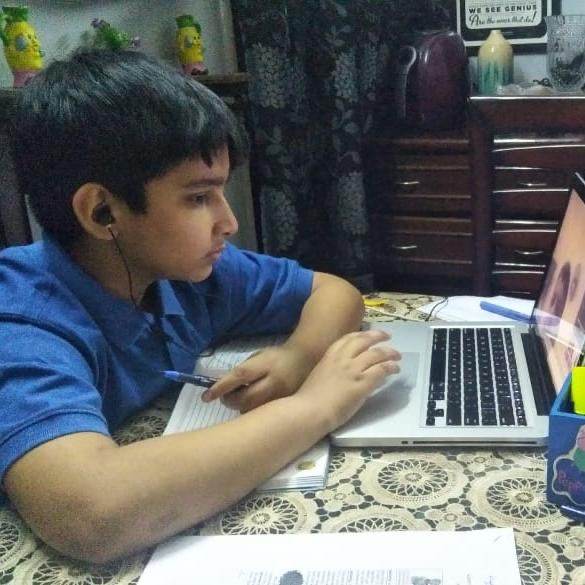
Unlike previous generations who learned to use technology, Gen Alpha is growing up with it. From the moment they can grasp a screen, they swipe, tap and voice-command their way through the world. Their learning doesn’t begin with paper. It starts with pixels.
A study by Common Sense Media found that children under eight spend an average of 2.25 hours per day on screens, with much of that time devoted to educational content. Whether it’s a YouTube science experiment or a math app, Gen Alpha is accustomed to a smooth blend of play and learning.
This constant exposure creates both an opportunity and a challenge. They can absorb and retain a lot of information early. But their attention spans are tuned for fast-paced, multi-sensory engagement, which means traditional lecture formats often fall flat, unable to compete with the dynamic stimuli they encounter every day.
How does personalisation beat standardisation?
When my niece, aged 10, was given the choice between reading a chapter from a history book or exploring an interactive timeline online, she didn’t hesitate. “I can see it all move and click things to learn more,” she explained. For Gen Alpha, passive consumption isn’t enough, they want to interact with knowledge.
Game-based learning, for instance, has surged in popularity. Platforms like Kahoot, Duolingo and Prodigy turn lessons into quests and challenges. These experiences aren’t just entertaining, they also feed motivation, competition and retention.
More profoundly, AI-powered adaptive learning systems are reshaping the classroom. Tools such as DreamBox or Socratic by Google analyse students’ responses in real-time, adjusting difficulty levels to suit each learner’s pace. No child gets left behind, or bored.
According to EdTech Magazine, personalised learning improves both engagement and achievement, especially for students with varied learning styles or needs. That’s not just innovation. It’s inclusion.
Why does real-world relevance matter so much now?
Gen Alpha isn’t asking “What’s the answer?” They’re asking, “Why does this matter?”
Gone are the days when rote memorisation was the gold standard. Today’s learners want education that mirrors real life. This shift explains the growing emphasis on project-based learning (PBL), where students tackle authentic problems, designing sustainable homes, coding simple apps, or creating social campaigns.
This hands-on approach builds not just academic skills but also critical soft skills: teamwork, creativity, empathy, communication. A report by the World Economic Forum predicts that by 2025, soft skills will be just as important as technical ones in the job market.
One standout example. A school in Bangalore introduced a PBL unit where students identified local environmental problems and pitched solutions to city council members. The students weren’t just learning, they were doing.
What about social and emotional intelligence in the age of screens?
Despite their digital fluency, Gen Alpha faces a new kind of vulnerability. Increased screen time, while educationally enriching, can come at the cost of face-to-face interactions. Emotional cues, body language, social nuance, all risk getting overshadowed by emojis and DMs.
That’s where Social-Emotional Learning (SEL) matters. SEL programs teach students to recognise emotions, manage stress, develop empathy and build positive relationships. According to CASEL, students who participate in SEL programs not only perform better academically but also show improved attitudes and behaviours.
And here’s the thing. Gen Alpha is uniquely open to discussions about mental health. In many schools, mindfulness sessions, wellness circles and peer counseling have become regular features. This cultural shift is empowering young minds to speak up, seek help and support one another, something past generations struggled with.
Diversity, inclusion and a global mindset
Gen Alpha is growing up in a world where diversity isn’t an exception, it’s the norm. They’re being raised amidst global movements, diverse media and open conversations about identity and justice. That awareness shapes what they expect from their education.
Inclusive classrooms that represent different cultures, backgrounds and abilities aren’t just appreciated, they’re demanded. Gen Alpha wants to see themselves and their peers reflected in the curriculum, in teaching materials and in the leadership guiding them.
An educator in Mumbai shared how her students, after reading a textbook story, questioned the lack of female scientists and proposed alternative storylines. That speaks volumes about their expectation for representation and their readiness to challenge outdated norms.
The road ahead: rethinking education from the ground up
Teaching Gen Alpha isn’t about digitising old methods. It’s about reimagining education itself.
- Technology must be embedded not just as a subject but as a medium of exploration.
- Personalisation should replace one-size-fits-all instruction.
- Real-world learning should be prioritised over theoretical drills.
- Emotional intelligence must sit alongside academic rigor.
- Inclusion and empathy should be at the heart of every classroom.
As we adapt, we have to support educators with the tools, training and freedom to experiment. Change can be uncomfortable, but it’s needed. The goal isn’t to control Gen Alpha’s learning journey. It’s to co-create it with them.
The future is already here
Generation Alpha isn’t waiting for the future. They’re building it, with Minecraft blocks, coding languages and questions that challenge the status quo. They’re curious, creative and connected like no generation before them.
It’s time for the education system to rise to meet their potential. By embracing their digital instincts, honouring their individuality and nurturing their emotional well-being, we can prepare them not just for exams, but for life.
Let’s teach them not just to know, but to think, to feel and to lead.
FAQs about how Gen Alpha is learning
Who exactly is Generation Alpha?
Generation Alpha refers to children born roughly between 2010 and 2025, the first cohort raised entirely in the 21st century. They’ve grown up with smartphones, AI assistants and high-speed internet as a default, not a novelty.
What are the most popular learning platforms for Gen Alpha?
Kahoot, Duolingo and Prodigy lead in game-based learning. DreamBox and Socratic by Google deliver AI-driven adaptive instruction that adjusts difficulty in real time based on a student’s response.
How much screen time do Gen Alpha kids actually get?
Common Sense Media reports children under eight average about 2.25 hours per day on screens. A meaningful share of that time goes to educational content, including videos, math apps and interactive lessons.
Why is Social-Emotional Learning (SEL) important for Gen Alpha?
SEL helps balance heavy screen exposure with emotional skills like empathy, stress management and relationship-building. CASEL research shows SEL students do better academically and show improved attitudes and behaviours.