Short answer: Indian Gen Z no longer trusts brand storytelling. They trust screenshots, DMs and customer support replies. In this proof economy, every interaction is a receipt of brand character, and one bad screenshot can travel further than a multi-crore campaign.
Why Indian Gen Z Is Forcing Marketing Into the Proof Economy
The end of narrative control
There was a time, not too long ago, when brands controlled perception. They told stories. Carefully. Strategically. Expensively. Campaigns were crafted months in advance. Messaging was polished. When something went wrong, a well-worded statement usually contained the damage.
For a while, that worked.
Then somewhere between Instagram DMs, WhatsApp forwards and viral Reddit threads, something shifted quietly, and then all at once.
Today, your brand is no longer defined by what you say. It is defined by what people can show. A screenshot. A screen recording. A comment reply. Captured. Shared. Interpreted. Your narrative is no longer yours.
Welcome to the Proof Economy.
What is the proof economy in marketing?
For decades, marketing followed a simple belief: If you say it well enough, people will believe it.
Indian Gen Z doesn’t operate on belief. They operate on verification. They don’t trust messaging. They trust evidence.
That evidence doesn’t come from ad campaigns. It comes from:
- A customer support chat that feels human or robotic
- A delivery experience that matches or breaks the promise
- A casual reply in the comments section
- An internal message that accidentally goes public
In this new landscape, perception is no longer created. It is captured.
Why is this shift exploding in India?
India isn’t just digital anymore. It’s hyper-documented.
With over 500 million social media users and some of the cheapest data rates globally, the country has become a real-time archive of everyday experiences. The real story lies in how Gen Z behaves inside it.
- Nearly 83% of Indian Gen Z consider themselves content creators
- Around 9 out of 10 actively engage in online communities and fandoms
This changes the role of the consumer. They’re not passive anymore. They are observers, recorders and distributors.
I remember messaging a brand once about a delayed delivery. The response wasn’t rude, it was painfully generic. A templated reply that felt copied and pasted a hundred times before.
I didn’t screenshot it. But I could have. And if I had, it wouldn’t be a complaint. It would be a statement: “This brand doesn’t really care.”
Now imagine that happening at scale.
How did marketing move from followers to proof?
For years, marketing teams obsessed over followers, reach and impressions. Gen Z asks a different question:
“Where’s the proof?”
Proof doesn’t come from polished storytelling. It comes from unfiltered moments. Moments that are often accidental and always real.
The screenshot economy: where proof becomes portable
If the proof economy defines the shift, the screenshot economy explains how it spreads.
Screenshots are powerful because they are:
- Immediate
- Visual
- Context-light but emotion-heavy
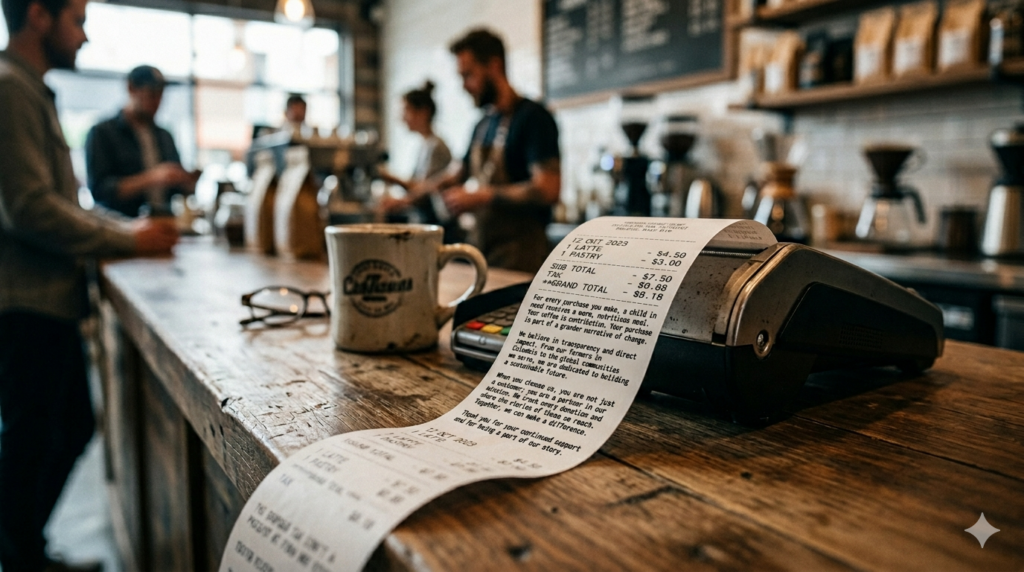
They don’t feel like marketing. They feel like evidence. That’s why a single screenshot can travel further and faster than a multi-crore campaign.
As the Edelman Trust Barometer shows, people trust information shared by individuals significantly more than brand communication. Screenshots sit right in that trust gap.
How did Zomato and Swiggy win the proof game?
Some Indian brands have intuitively understood this shift.
Zomato has built a reputation through conversations, not just campaigns. Its witty customer support replies and relatable push notifications get screenshotted and shared widely. These interactions feel human, spontaneous and real.
Swiggy has leaned into humour and cultural relevance in its app notifications and social media tone.
“They don’t just market. They participate.”
What makes this powerful is simple: these brands don’t wait for virality. They design for it.
How did Air India lose the proof game?
On the other end are brands that underestimate everyday interactions.
Air India has, at various points, faced public criticism where customer complaints, often shared as screenshots, highlighted delayed responses or unresolved issues.
Each screenshot didn’t just show a problem. It told a story: “This is how the brand behaves under pressure.”
Once that perception sets in, reversing it becomes exponentially harder.
When perception beats reality
Perhaps the most unsettling part of the proof economy: reality is no longer a prerequisite for perception.
There have been instances where fake screenshots or misleading visuals went viral, forcing brands to respond to narratives that weren’t even real. By the time clarification arrives, the damage is done. In a fast-moving digital environment: If it looks real, it feels real.
The hardest truth for marketers
Let’s be honest. This is uncomfortable. But it needs saying:
Your weakest interaction is stronger than your strongest campaign.
Because:
- Campaigns are seen as intent
- Screenshots are seen as truth
A slightly dismissive reply. A delayed response. A tone that feels off. Individually, they seem small. Collectively, they become receipts of your brand’s character.
This is not just marketing. It’s operations.
Most organisations are still structured in silos:
- Marketing handles campaigns
- Customer support handles queries
- Social media handles engagement
The consumer doesn’t see departments. They see one brand. Which means every touchpoint is marketing.
- A support reply is brand voice
- A delivery delay is brand experience
- A DM is brand personality
“You don’t build a brand in campaigns anymore. You reveal it in interactions.”
What smart Indian brands are doing differently
Designing for proof
They don’t ask “Will this campaign perform?” They ask “Will this moment hold up if shared publicly?”
Training every touchpoint
Because in today’s world, your intern’s reply can go more viral than your agency’s campaign.
Moving faster, not just smarter
Insights from PwC suggest that delayed responses amplify reputational damage. In practice, speed signals honesty. Delay signals avoidance.
Marketing has become observable
Earlier, brands communicated on their own terms. Now they are constantly being observed. Every action is visible, recordable and shareable.
“Your brand is no longer what you say when you’re ready. It’s what you reveal when you’re not.”
The age of evidence
We are no longer in the business of storytelling alone. We are in the business of evidence creation.
In India’s Gen Z-driven digital ecosystem:
- Friends spread it
- Followers amplify it
- But proof defines it
FAQs about the proof economy and Indian Gen Z
What is the proof economy?
The proof economy is a marketing shift where consumers trust visible evidence (screenshots, reviews, support replies, DMs) more than brand campaigns. Perception is captured by users, not crafted by brands.
Why does Indian Gen Z trust screenshots over advertising?
Indian Gen Z is hyper-documented. Nearly 83% see themselves as content creators and around 9 out of 10 are active in online communities. They verify brands through unfiltered moments rather than polished campaigns.
Which Indian brands are winning in the proof economy?
Zomato and Swiggy lead by treating support replies, push notifications and social media as brand experiences. Their interactions feel human and get shared organically as screenshots, doing the work of paid campaigns.
What happens when brands ignore everyday interactions?
They lose narrative control. Air India, for example, has faced viral criticism through customer complaint screenshots, which shaped public perception of how the brand behaves under pressure.
How can a brand prepare for the proof economy?
Treat every touchpoint as marketing. Train support, social and operations teams in brand voice, respond quickly because PwC research shows delays amplify damage, and design every customer moment to hold up if it gets screenshotted.