
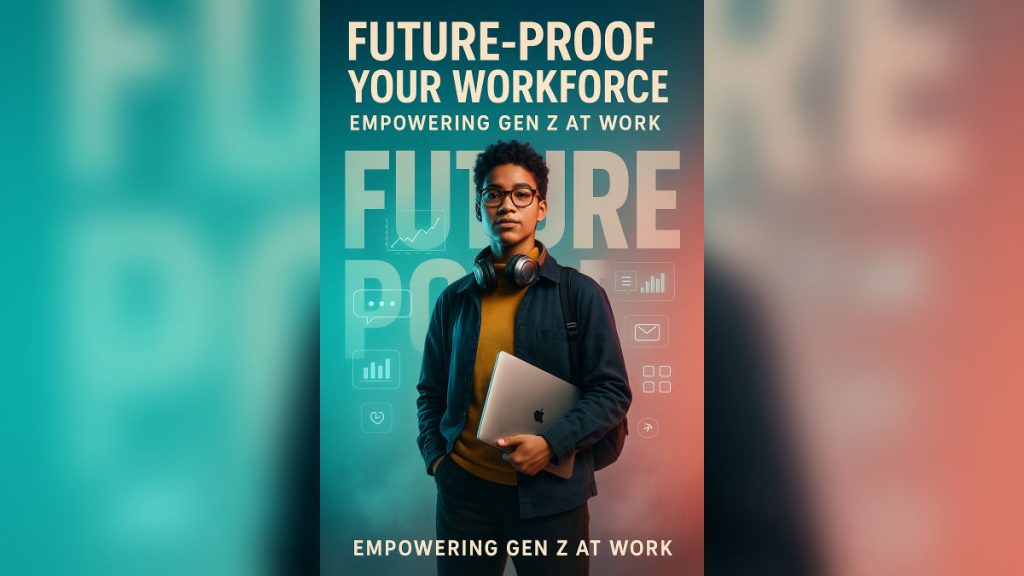
Short answer: Empowering Gen Z at work means hiring them for fresh thinking and giving them room to be their full selves. A Deloitte study found 77% of Gen Z want to work at companies that reflect their beliefs, and McKinsey research shows diverse teams are 35% more likely to outperform less inclusive ones. Purpose, flexibility and authentic feedback are the levers.
Tech keeps changing. Work norms keep shifting. Global disruptions keep arriving without an invitation. So companies have a choice, evolve or fall behind. One of the smartest, most future-focused calls a business can make right now? Hire and empower Gen Z.
Born between 1997 and 2012, Gen Z brings more than digital fluency to the table. They carry a deep hunger for authenticity, inclusion and purpose. Recruiting them isn’t enough, you’ve got to build a workplace where they can actually thrive as their true selves.
Here’s why investing in Gen Z isn’t just good for culture, it’s good for the books too.
Why is Gen Z more than just digital natives?
Yes, Gen Z grew up with smartphones, WiFi and TikTok. But framing them as meme masters misses the point.
They care, deeply, about social justice, climate change, mental health and workplace values. A Deloitte study found that 77% of Gen Z want to work at companies that reflect their beliefs. That’s not a soft preference, it’s a hiring filter.
This generation isn’t chasing status. They’re after purpose.
Why is Gen Z a real business asset?
1. Innovation through fresh perspectives
Gen Z challenges the status quo on purpose. They’re natural problem-solvers shaped by years of unpredictability. One intern at a fintech startup gamified the savings experience and the result was a 30% spike in user engagement. Innovation often comes from the youngest voice in the room. The trick is letting it through.
2. Digital fluency that drives efficiency
Forget the long onboarding for digital tools. Gen Z already speaks Slack, Figma and Reels. They thrive in hybrid and remote workflows, and they can lead digital transformation, not just follow someone else’s roadmap.
3. Purpose as a power tool
Gen Z holds companies accountable. They advocate for mental health, sustainability and inclusion, and they talk about it online. When they’re aligned with a company’s mission, they become genuine brand evangelists. Free, loud, credible. Hard to manufacture, that.
4. Work-life balance, redefined
Rigid 9-to-5s don’t appeal. They want flexibility, autonomy, and the option to work where they actually do their best thinking. This shift fits the broader hybrid-work move, and it can boost productivity rather than dent it.
5. A growth-driven mindset
Gen Z sees careers as evolving journeys, not corporate ladders. They crave mentorship, feedback and upskilling. Companies that nurture that mindset are paid back in loyalty, energy and adaptability.
Why does self-expression at work matter?
Hiring Gen Z isn’t enough. You have to empower them to show up as their full selves.
1. Authenticity drives engagement
When Gen Z employees feel seen and valued, they get emotionally invested. Whether it’s designing inclusive campaigns, openly discussing mental health, or pushing back on a stale process, they bring fresh ideas the moment they feel safe to do so.
2. Creative feedback equals fast innovation
Open spaces, virtual or physical, where ideas can flow freely. Gen Z will speak up. And often, what they offer isn’t just feedback, it’s transformation.
3. Inclusion starts with expression
Letting employees express their gender identity, cultural background or beliefs builds inclusive teams. And diverse teams are 35% more likely to outperform less inclusive ones, according to McKinsey. The numbers are clear, this isn’t an HR vanity project.
4. Organic advocacy
Empowered employees talk. They post on LinkedIn, celebrate wins on Instagram, share company values on YouTube. Their influence pulls in like-minded talent faster than any sponsored job ad ever could.
What does this look like in practice?
At a Gen Z panel discussion, one 23-year-old analyst shared how her workplace let her launch a mental health initiative after she opened up about her own anxiety. That single act sparked a culture of empathy and innovation across her whole team. One person, one opening, one ripple, and the place wasn’t the same after.
Final thoughts: let Gen Z lead the way
The future of work isn’t only automated, it’s authentic. Gen Z is rewriting what productive, engaged and innovative actually mean at work.
If you want to future-proof your company, start by carving out space for Gen Z voices. Let them lead with creativity, push back on the norm, shape your culture with intention.
Because your next game-changing idea might be sitting quietly in a Slack thread, typed by a 22-year-old who’s just waiting for someone to listen.
FAQs about empowering Gen Z at work
Why should companies invest in Gen Z employees?
Gen Z brings fresh thinking, digital fluency and a strong sense of purpose. A Deloitte study found 77% of Gen Z want to work at companies that reflect their beliefs, which means alignment with mission directly drives retention and authentic advocacy from within.
How does Gen Z change workplace culture?
They push for flexibility, mental health support, inclusion and open feedback loops. Companies that respond by creating space for self-expression often see stronger engagement and faster innovation, especially when ideas can travel up from younger employees.
What is the connection between diverse teams and business performance?
According to McKinsey, diverse teams are 35% more likely to outperform less inclusive ones. Gen Z’s emphasis on inclusion and identity expression directly supports the kind of diversity that drives that performance gap.
How can leaders empower Gen Z employees specifically?
Offer mentorship, real feedback, hybrid flexibility and clear paths to upskilling. Create channels (Slack threads, open forums, panel discussions) where younger employees can speak up, and act on what they raise rather than just listening politely.