
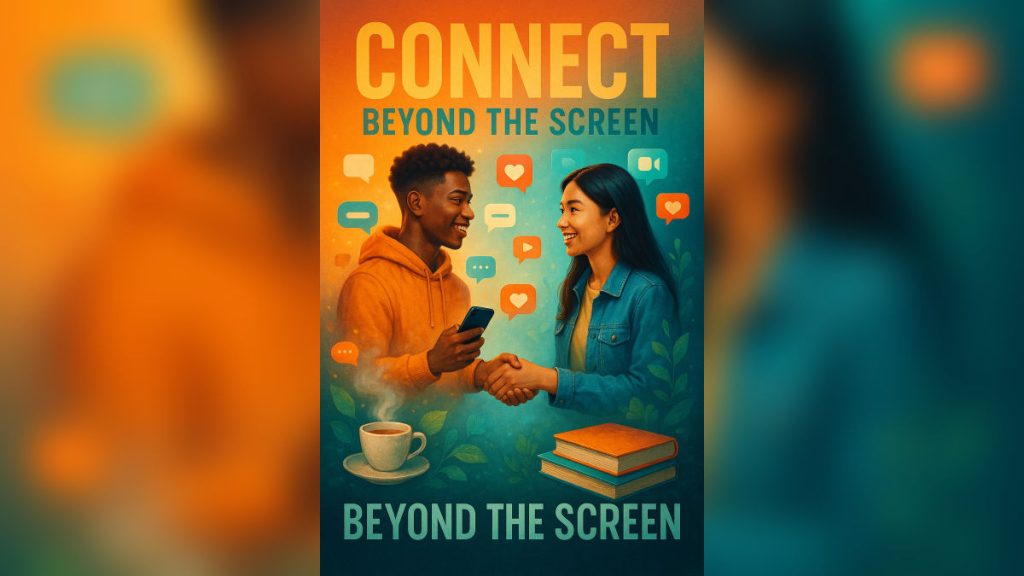
Short answer: Real connections in a digital world come from intentional use, not less use. Be authentic, join interest-based communities, move from text to voice when it feels right, and protect screen-free hours. A 2022 Common Sense Media report found 76% of Gen Z feel closer to people in shared-purpose online communities.
Likes and follows pass for social currency now. So chasing genuine human connection can feel like swimming the wrong way down a fast river. Gen Z grew up with instant messaging, curated Instagram feeds, K-pop fandoms, the lot. The digital world is second nature to them. Yet despite being the most connected generation in history, plenty of Gen Zers report feeling more isolated than ever.
So how do you actually build meaningful relationships in a world run by screens, algorithms and avatars? Strange, really. The answer isn’t picking online or offline. It’s learning to use digital tools intentionally, the kind of usage that ends in real friendships rather than another dopamine hit.
Why does authenticity matter online?
Be yourself, not your highlight reel. Sounds simple. It isn’t.
Drop the filter, keep it real
In a sea of picture-perfect selfies and overly polished TikToks, authenticity stands out. Posting an unfiltered opinion, sharing a low point, admitting you’re not okay, these are the moments that break the illusion and create space for real conversations. Vulnerability isn’t weakness, it’s human. And humans connect with humans, not personas.
“I once posted about how I was struggling with anxiety before my college exams. The response I got was overwhelming, DMs from strangers who shared their stories, supportive messages, even virtual study buddies. That one post led to real friendships.” Rhea, 20, student, Mumbai
Active listening builds trust
Authenticity isn’t only about what you share. It’s also how you engage. Practise active listening, ask questions, reflect back what someone said, show you’re paying attention. Digital empathy might lack body language. It can still hit hard when expressed through thoughtful responses and genuine interest. The catch is, most of us are skimming.
How do shared passions create digital bonds?
If the internet is a sprawling city, then interest-based communities are the cosy coffee shops and parks where people actually connect.
Join digital spaces that reflect who you are
Whether it’s a subreddit for plant lovers, a Discord server for climate activism or a K-pop fan group on Instagram, digital communities thrive when built around shared interests and values. These niche spaces offer more than entertainment. They create belonging.
A 2022 report by Common Sense Media found 76% of Gen Z respondents felt closer to people in online communities where they shared a common purpose or interest. Numbers like that aren’t surprising once you’ve spent a Sunday afternoon arguing taxonomy with someone three time zones away who genuinely cares about the same obscure obsession you do.
Go deeper than surface-level chat
Liking a meme or reacting with a heart emoji is easy. True connection arrives when conversations go deeper. Ask why someone cares about a cause. Share your journey in a fandom. Discuss your fears, not just your favourites. Meaningful dialogue is the foundation everything else rests on.
What does intentional engagement look like?
It’s one thing to follow. Quite another to participate.
Show up consistently
Commenting on someone’s story, jumping into a Twitter thread, joining a live discussion, all of these signal interest and build rapport. People remember those who show up. Even virtually.
Move from text to talk (and beyond)
One overlooked step in deepening digital friendships? Taking the leap from typing to talking. Voice notes, video calls, even old-school phone calls bring tone and nuance back into play. And when the timing feels right, meeting up IRL can solidify what began online.
“I met my best friend through a book discussion forum during the pandemic. After six months of chatting online, we finally met at a literature fest. It was like reuniting with someone I’d known forever.” Nishant, 22, Delhi
How do you merge online and offline life?
One of the biggest myths about digital life is that it’s somehow separate from “real life.” For Gen Z, that’s nonsense.
Use tech to support real-life connections
Tools like Facebook Events, Meetup and even WhatsApp groups for local communities can bridge the gap between digital and physical worlds. Use them to discover events, plan meetups, organise local interest-based groups. Technology can facilitate offline connection. It doesn’t have to replace it.
Make in-person time count
When you do hang out IRL, be present. Phone away during meals. Resist the urge to document every second. In-person moments carry weight, eye contact, shared laughter, even silence can deepen a bond in ways emojis never will.
How do you protect your digital well-being?
Chasing connection, it’s easy to fall into the trap of constant availability. But healthy boundaries make for healthier relationships.
Set tech boundaries
Not every message needs an instant reply. Not every post needs a response. Carve out screen-free hours each day to reset and recharge. This protects mental health and makes online interactions more intentional, less performative.
Curate, don’t compare
Social media often presents an illusion of perfect lives. Curate your feed for content that uplifts you, challenges your thinking, or brings you joy. And remind yourself, what you see online is rarely the full picture, never the full one.
Take digital detoxes regularly
Even a short break can offer clarity. Use that time to reconnect with yourself, your offline hobbies, or nature. Often, the most meaningful insights about relationships arrive when we step back from the noise. Sometimes you need an entire weekend off the grid before you realise you’ve been answering messages on autopilot for months and haven’t actually thought about what you wanted to say to anyone.
Final thoughts: connection is a choice
Building real connections in a digital world isn’t about abandoning screens or rejecting social media. It’s about how we choose to use those tools. Showing up as ourselves, flaws and quirks and all. Leaning into shared interests, listening with empathy, sometimes putting the phone down to just be with someone.
Because at the end of the day, connection isn’t found in a DM notification or a like count. It’s built, slowly and intentionally, in moments of shared truth.
So next time you’re online, ask yourself, am I posting, scrolling and replying just to exist, or to truly connect?
Challenge yourself to go beyond the scroll. Start a real conversation today. You might be surprised where it leads.
FAQs about real connections in a digital world
Can you build real friendships entirely online?
Yes. Plenty of meaningful friendships start in Discord servers, fan forums and group chats. The key is depth over reach, going beyond memes into shared interests, vulnerability and consistent contact. Many online friendships eventually move to voice, video, or in-person meetups, which deepens them further.
How does Gen Z balance online and offline relationships?
By treating both as part of the same life rather than separate buckets. Gen Z uses tools like WhatsApp groups and Meetup to plan offline gatherings, then comes back online to share the moment. The healthiest balance involves screen-free hours, in-person presence during meals, and intentional digital communication when apart.
What is performative posting and why does it hurt connection?
Performative posting is sharing content for image rather than substance, the polished aesthetic over the honest moment. It hurts connection because it invites comparison instead of conversation, and signals to others that they should also perform rather than share. Authentic posts attract authentic replies.
How long should a digital detox be to actually help?
Even 24 hours away from social media can reset attention and mood. A University of Bath study found a one-week social media break produced significant well-being improvements. Many people get most of the benefit from short, regular detoxes, an hour before bed, weekend mornings, rather than rare long ones.
Are online communities a good replacement for local friendships?
They’re a complement, not a replacement. Online communities are excellent for niche interests, identity-based support and global perspective. Local friendships still offer the body-language, shared-physical-space depth that’s hard to replicate through a screen. The best setup is both, not either or.