Short answer: Everyone looks perfect online because we’re all curating, filtering, and posting only the highlight reel. According to a 2023 Common Sense Media report, 59% of teens say social media sometimes makes them feel bad about how they look. The fix isn’t quitting the internet, it’s curating your feed, embracing imperfection, and remembering that the polished version of someone else’s life is usually a performance.
Scroll, scroll, scroll. Tan thighs in Goa. A flawless desk setup. Someone’s seventh promotion of the year. And you, lying in bed at 11pm wondering why your life feels half a step behind everyone else’s.
Here’s the twist Gen Z is starting to call out loudly: nobody actually lives like that. Not even the people posting it.
This piece digs into why “perfect” has metastasised across the internet, what it’s quietly doing to our heads, and why not liking perfect might be the most useful instinct you have right now.
Why does everyone look so perfect online?
The highlight reel culture
Think of your Instagram feed as a movie trailer, short, polished, designed to make you sit up. What you see are the wins, the holidays, the smiles, the glow-ups. Trailers don’t show the messy outtakes, and social media works the same way.
This “highlight reel culture” feeds the illusion that everyone else has it figured out. In reality, most people are choosing to show only the shiny bits, editing out the awkward, the painful, the ordinary tuesday afternoon stuff.
“Social media is like a museum of curated perfection,” says Dr. Lindsay Malloy, a psychology professor who studies adolescent behaviour. “And teens are often the curators and the viewers at the same time.”
Filters, edits, and digital touch-ups
One swipe smooths skin, brightens eyes, slims a waist, even reshapes a face. Filters and editing apps have made it easier than ever to present a flawless version of yourself, even when it’s miles from how you actually look. The tools aren’t evil. But over-used, they blur the line between who you are and who you think you need to be to be liked.
The comparison trap
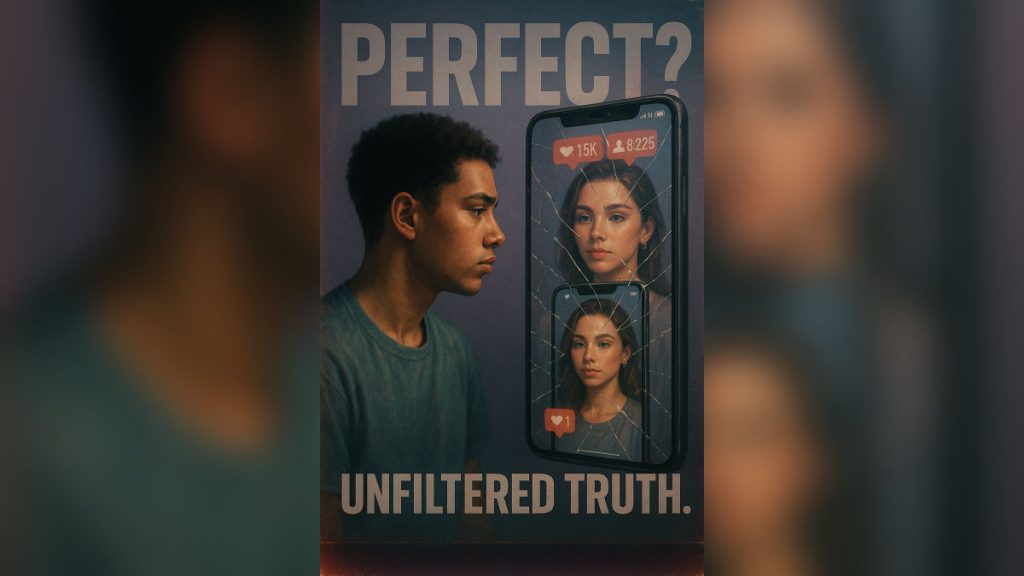
You scroll past airbrushed beach photos, academic flexes, picture-perfect friend groups, and your brain quietly draws a line between you and them, on the wrong side. According to a 2023 Common Sense Media report, 59% of teens say social media sometimes makes them feel bad about their own appearance. Constant comparison breeds anxiety, self-doubt, and an exhausting pressure to measure up to standards nobody can hit.
Chasing validation
Let’s be honest, who doesn’t enjoy a stack of likes? That tiny heart can feel like a stamp of approval, oddly enough. But when self-worth gets tangled up in engagement metrics, it stops being fun. The desire to be liked, literally, pushes people to post what’s most “likable” instead of what’s real. That’s how you end up with a sea of nearly identical selfies, captions, and grids.
What if you don’t actually like perfect?
You’re not alone, and that’s the good news
Here’s the twist: a lot of people don’t want to look perfect anymore. Plenty of Gen Z creators are turning away from polish on purpose, posting raw, unfiltered, sometimes unflattering versions of themselves. Photo dumps. Mental health confessions. Crying-in-the-car selfies. There’s a real demand for realness over the glossy stuff.
And that isn’t just refreshing. It’s the start of something different.
Embrace the beauty of imperfection
Being imperfect is what makes you human. The awkward laughter, the unfiltered rants, the messy room behind your head on a video call, all of it tells a richer, more honest story. When we let our flaws breathe, we become more relatable, more grounded. Vulnerability stops being a weakness, it becomes a bridge.
“There is nothing more rare, nor more beautiful, than a person being unapologetically themselves,” said Dr. Steve Maraboli, behavioural scientist and author.
Follow the right people
Social media doesn’t have to be toxic. It depends entirely on who you follow and what you let into your eyeballs. Curate your feed the way you’d curate a playlist, only the stuff that lifts you, inspires you, or reflects something true.
Unfollow accounts that leave you feeling “less than.” Follow creators who talk about real struggles, share honest stories, or just make you feel a bit better about being you. Brutal as it sounds, the unfollow button is a mental health tool.
Set realistic expectations
Everyone has bad days. Nobody wakes up with flawless skin and ring-light lighting. Remind yourself that what you see online is edited, scripted, or carefully chosen, or all three. Comparison is inevitable, sure. But context is the difference between scrolling and spiralling. You’re not behind. You’re just on your own path.
Prioritise real-world bonds
Online connections are great. They can never replace the depth of in-person ones. Make time for friends face-to-face, family members, even journalling for yourself. Offline experiences pull you back into the real and remind you of who you are away from the screen.
A personal note: when “perfect” felt exhausting
Last year, I tried to post daily on Instagram, aiming for that aesthetic feed everyone seemed to admire. I edited photos carefully, captioned them with poetic quotes, even timed the uploads for engagement. After a while it felt… empty.
The pressure to look perfect all the time was draining. I wasn’t sharing memories, I was curating a brand. So I took a break.
When I came back, I posted a grainy picture of me crying after failing a math test, with a caption about how failure is part of growth. That post got fewer likes. But it got more DMs than anything I’d ever shared. People said, “Thank you for being real.” That felt better than a hundred fire emojis.
Redefining “perfect”: time to flip the script
The illusion of perfection online is powerful. It’s not the full story. As Gen Z, we have a real shot at reshaping how social media works, by choosing authenticity over aesthetic, honesty over filters, and depth over popularity. We can build a digital world that actually looks like real life and not a magazine spread.
You don’t have to love “perfect.” You just have to love real.
Final thoughts
In a culture obsessed with polished images and curated feeds, questioning the chase for perfection isn’t only valid, it’s vital. Whether you find comfort in filtered content or you prefer the messy middle, you’re allowed to be both flawed and fabulous.
So next time you scroll past a seemingly perfect profile, take a breath, and remind yourself, perfection is often a performance. And you? You’re the main character in a real story worth telling.
Choose real. Choose you. That’s more than enough.
FAQs about Gen Z and online perfection
Why does everyone on Instagram look perfect?
Most people post only their highlights, then layer on filters, edits and careful framing. The platform’s design rewards polished, high-engagement content, which encourages curation over honesty. The result is a feed that looks like a museum of perfection but isn’t anyone’s real life.
How does perfection culture affect Gen Z mental health?
Constant comparison feeds anxiety, self-doubt and pressure to meet impossible standards. A 2023 Common Sense Media report found 59% of teens say social media sometimes makes them feel bad about how they look. Over time it can erode self-esteem and warp body image.
How do I stop comparing myself to people on social media?
Curate aggressively. Unfollow accounts that leave you feeling worse, and follow creators who post honestly. Set screen-time limits, take regular breaks, and remind yourself that what you’re seeing is edited and selected, not the full picture.
Is the trend toward authenticity online actually growing?
Yes. Photo dumps, raw mental health confessions, no-makeup posts and “messy” content are all rising, especially among Gen Z creators. The shift reflects fatigue with curated aesthetics and a real demand for content that feels human.
What should I post instead of perfect content?
Post what’s true to you, your real interests, struggles you’re comfortable sharing, ordinary moments, unfiltered photos. Honest content tends to attract deeper engagement and meaningful messages, even if the like count is lower.