

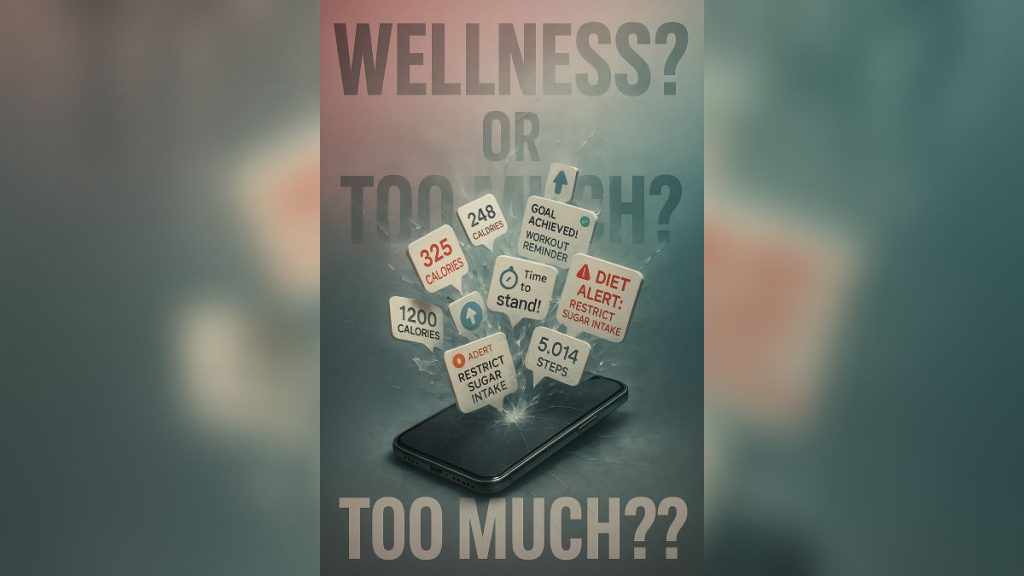
Short answer: Wellness culture sells Gen Z a curated, expensive, mostly white version of “living well” that often masks diet culture, toxic positivity and pseudoscience. The industry is worth over $1.5 trillion globally per McKinsey, and it thrives on insecurity. Real wellness is unfollowing what makes you feel small, accepting hard emotions, and personalising care to your actual life.
The word “wellness” has exploded across social feeds, morning routines and influencer reels in recent years. From sipping matcha lattes to meditating at sunrise and doing yoga in coordinated athleisure, the wellness lifestyle has become an aspiration for many. Especially Gen Z.
On the surface, this obsession with “living well” seems harmless, even good. After all, it pushes self-care, mental health awareness, exercise and mindfulness. But beneath the polished aesthetics and viral routines lies a more complex, and at times harmful, reality.
Why does wellness culture set such unrealistic standards?
Wellness arrives on our screens wrapped in pale beige tones, minimalism and glowing skin. The “Clean Girl” aesthetic on TikTok is a prime example, effortless beauty, no visible flaws, a life that looks meticulously curated.
But let’s be honest. No one’s life looks like that 24/7.
Constantly consuming this content can quietly chip away at how you feel about your own routine, especially when wellness is presented as a lifestyle you must perform perfectly. You start asking yourself: Am I not doing enough? Why don’t I look like that when I wake up? Should I be journaling at 5 a.m. too?
Sanjana, a 20-year-old design student from Bangalore, says: “I tried following a wellness influencer’s routine for a week, lemon water, skincare, meditation, journaling, but by the third day, I felt worse than when I started. It felt like a performance, not self-care.”
When wellness becomes a checklist instead of a tool for personal well-being, it loses the plot.
Diet culture, repackaged as wellness
One of the more insidious things about modern wellness is how often it mirrors diet culture, just with prettier packaging.
“Clean eating” sounds healthy. But it can quietly load moral value onto food, labelling some foods as “good” and others as “bad.” Over time, this black-and-white thinking can fuel disordered eating patterns and body image issues.
The wellness industry, valued at over $1.5 trillion globally according to McKinsey, frequently capitalises on insecurities to sell protein powders, detox teas and fitness apps. The underlying message? You’re not enough unless you buy this, eat that, or look like her.
And in India, where body shaming and colourism are already prevalent, these pressures only get louder when young people are bombarded with global beauty standards that often exclude Indian bodies and experiences.
The problem with toxic positivity
“Wellness” often promotes a “good vibes only” mindset. Optimism matters, sure. But the pressure to always be happy can be deeply damaging.
Toxic positivity dismisses real emotions like anger, grief or stress in favour of constant cheerfulness. It tells people: “Just be grateful” or “Think positive,” even when they’re struggling with mental health, burnout or trauma.
This leads to emotional suppression, where people feel guilty for having natural, valid feelings. Instead of working through difficult emotions, they mask them in affirmations and scented candles.
As clinical psychologist Dr. Natasha Ramarathnam notes: “True emotional well-being isn’t about feeling good all the time. It’s about developing emotional resilience and accepting the full range of human emotions.”
Pseudoscience, misinformation and the wellness grift
Scroll Instagram for five minutes and you’ll likely encounter someone recommending “gut-healing smoothies,” “hormone-balancing crystals,” or “sun-charged water.”
The problem? Much of this advice has no scientific evidence behind it, and some of it can actually do harm.
Wellness culture sometimes fuels mistrust in conventional medicine, promoting natural remedies while ignoring the importance of clinical treatment. That’s especially dangerous in countries like India, where misinformation spreads at terrifying speed through WhatsApp forwards and social media.
Young people, desperate for solutions to acne, anxiety or period pain, often fall prey to these trends. And with influencers having more reach than most doctors, it’s easy to confuse branding with legitimacy.
Who actually gets to be “well”?
Let’s not forget. Wellness is expensive. Yoga classes, cold-pressed juices, gym memberships and therapy sessions don’t come cheap.
For many young Indians, especially those from marginalised or rural backgrounds, these options simply aren’t affordable or available. As wellness becomes a trend, it starts to feel like a luxury only the privileged can afford.
And the commercialisation of traditional Indian practices like yoga has stripped them of cultural context, turning them into Instagram trends. What was once a spiritual and inclusive practice has become something aspirational and exclusionary.
A healthier approach: what Gen Z can actually do
Despite its flaws, the core idea of wellness, taking care of yourself, is still valuable. But it needs to be redefined, reclaimed and realigned with reality.
1. Curate your feed thoughtfully
Unfollow accounts that make you feel inadequate. Follow creators who show diverse bodies, mental health struggles, real-life routines.
2. Embrace your emotional spectrum
It’s okay to feel down. Sadness, stress, confusion, all part of being human. You don’t need to “fix” every emotion with a meditation app.
3. Focus on science, not hype
Before trying a supplement or wellness hack, check if it’s evidence-based. Consult doctors and mental health professionals instead of relying on influencer tips.
4. Personalise your wellness
You don’t need a 10-step morning routine. Maybe your wellness is dancing to Bollywood music, cooking with your grandma, or journaling once a week. There’s no one-size-fits-all.
5. Practice self-compassion
You’re doing the best you can with what you have. Don’t let curated online lives convince you otherwise.
Final thoughts: wellness isn’t a performance
True wellness isn’t an aesthetic. It’s not a green smoothie, an expensive yoga mat or perfect skin. It’s how you treat yourself when things get tough. It’s the ability to rest without guilt, cry without shame and eat without judgment.
As Gen Z, we’ve got the power to redefine what wellness means, to strip it of pressure, privilege and perfection, and replace it with authenticity, inclusivity and care.
So next time wellness culture tells you to “do more, feel better, be better,” pause. Ask: Who is this really for? And more importantly, What does wellness mean to me?
FAQs about wellness culture
Why is wellness culture harmful for young people?
Because it often presents an unrealistic, expensive and aesthetically curated version of “living well” that can fuel inadequacy, disordered eating and toxic positivity. The pressure to perform wellness, rather than actually feel well, hits Gen Z especially hard given how much they consume on social media.
Is wellness culture the same as diet culture?
Not technically, but they overlap a lot. “Clean eating,” detox teas and protein powders place moral value on food and bodies in ways that mirror older diet-culture playbooks. The wellness industry, worth over $1.5 trillion globally per McKinsey, often capitalises on the same insecurities.
What is toxic positivity?
Toxic positivity is the pressure to always feel and project happiness, even when you’re struggling with real emotions like grief, anger or burnout. As clinical psychologist Dr. Natasha Ramarathnam puts it, true well-being is about emotional resilience and accepting the full range of human emotions, not constant cheerfulness.
How can Gen Z practise wellness without falling into the trap?
Curate your feed, follow creators who show diverse bodies and real routines, prioritise evidence-based advice over influencer hacks, and personalise your habits to your life. For some that’s dancing to Bollywood music or cooking with your grandma, not a 10-step morning routine.