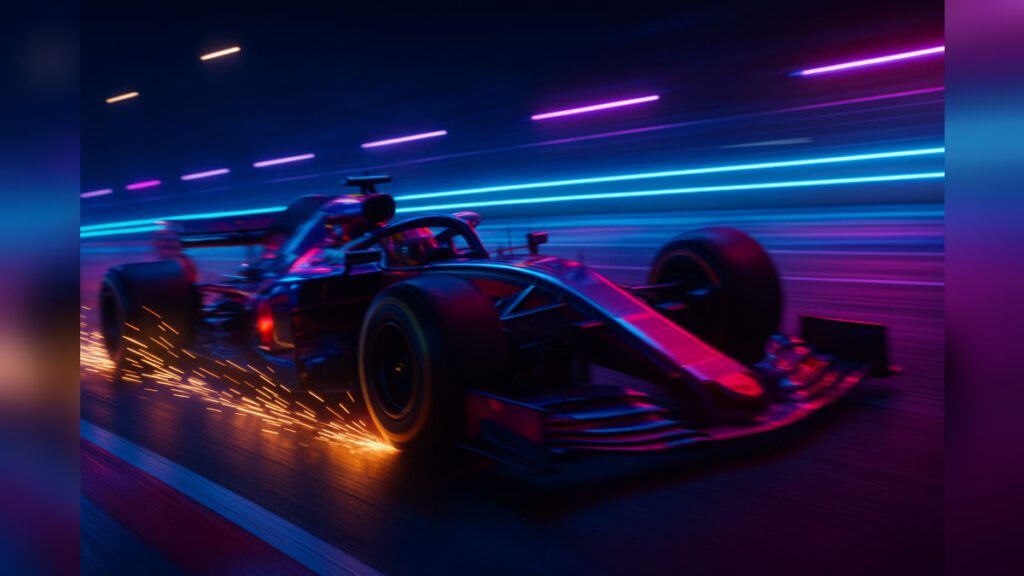
Short answer: Formula 1 in 2025 has become a lifestyle platform driven by Gen Z and women. Fans watch on TikTok, YouTube and Twitch, programmes like F1 Academy open doors for young racers such as India’s Atiqa Mir, and luxury brands chase a youthful audience that treats F1 as culture, not just sport.
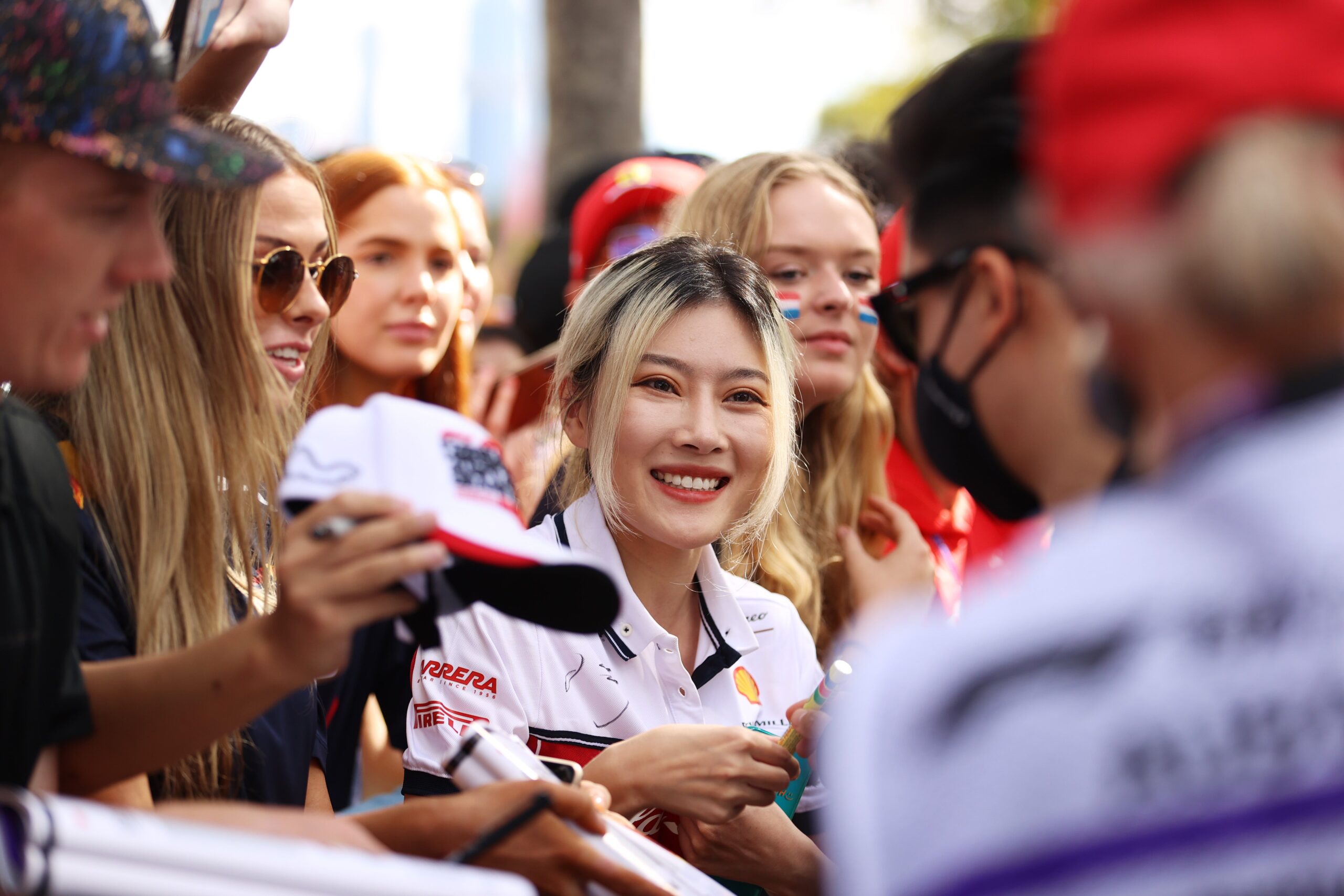
Formula 1 is no longer only about roaring engines and qualifying lap times. In 2025, the sport has turned into a cultural phenomenon shaped by Gen Z and women fans. Social media creators break down strategy, luxury brands target younger buyers, and F1 has moved from broadcast slot to lifestyle feed.
This generation is rewriting the rules of fandom, sponsorship, and participation, so Formula 1 now sits inside a global, digitally connected youth culture.
Why is Gen Z the fastest-growing F1 audience?
Gen Z fans are reshaping the F1 ecosystem in three ways.
- Digital-first consumption: they stream races on YouTube, TikTok, and social platforms instead of traditional TV.
- Interactive engagement: live polls, memes, race prediction games, and fan challenges sit at the centre of how they watch F1.
- Lifestyle integration: F1 merchandise, collaborations with streetwear brands, and esports tie-ins pull Gen Z in beyond race day.
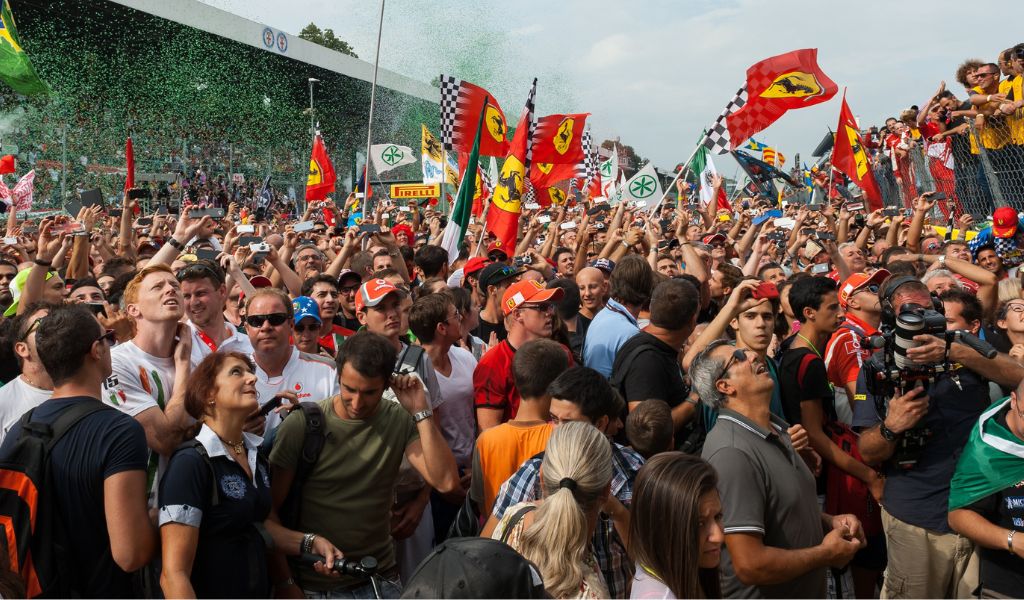
Instagram, TikTok, and Twitch turn F1 into a two-way fandom. Creators unpack race strategy or driver backstories in a format that feels like chat with a friend, not a TV broadcast.
How are women shaping the F1 landscape?
Women fans and participants are no longer a minority in motorsport. Their impact shows up in three places.
- Audience growth: events now include women-focused promotions, workshops, and networking.
- Content creation: female streamers and YouTubers make F1 easy to follow for newcomers, which lifts global viewership.
- Talent pipeline: programmes like F1 Academy’s “Discover Your Drive” give young women a way in. Atiqa Mir, India’s 10-year-old racing prodigy, is one example of that pipeline in action.
Women in F1 are building a more inclusive and diverse ecosystem, one that pulls in younger fans worldwide.
Why are luxury brands chasing the F1 crowd?
F1 now doubles as a stage for luxury lifestyle marketing. Watch houses, fashion labels, and premium automotive brands all court the aspiring Gen Z consumer. Young audiences, whether at the track or online, treat F1 as a cultural badge that mixes motorsport with style, tech, and social influence.
How are F1 drivers diversifying their careers?
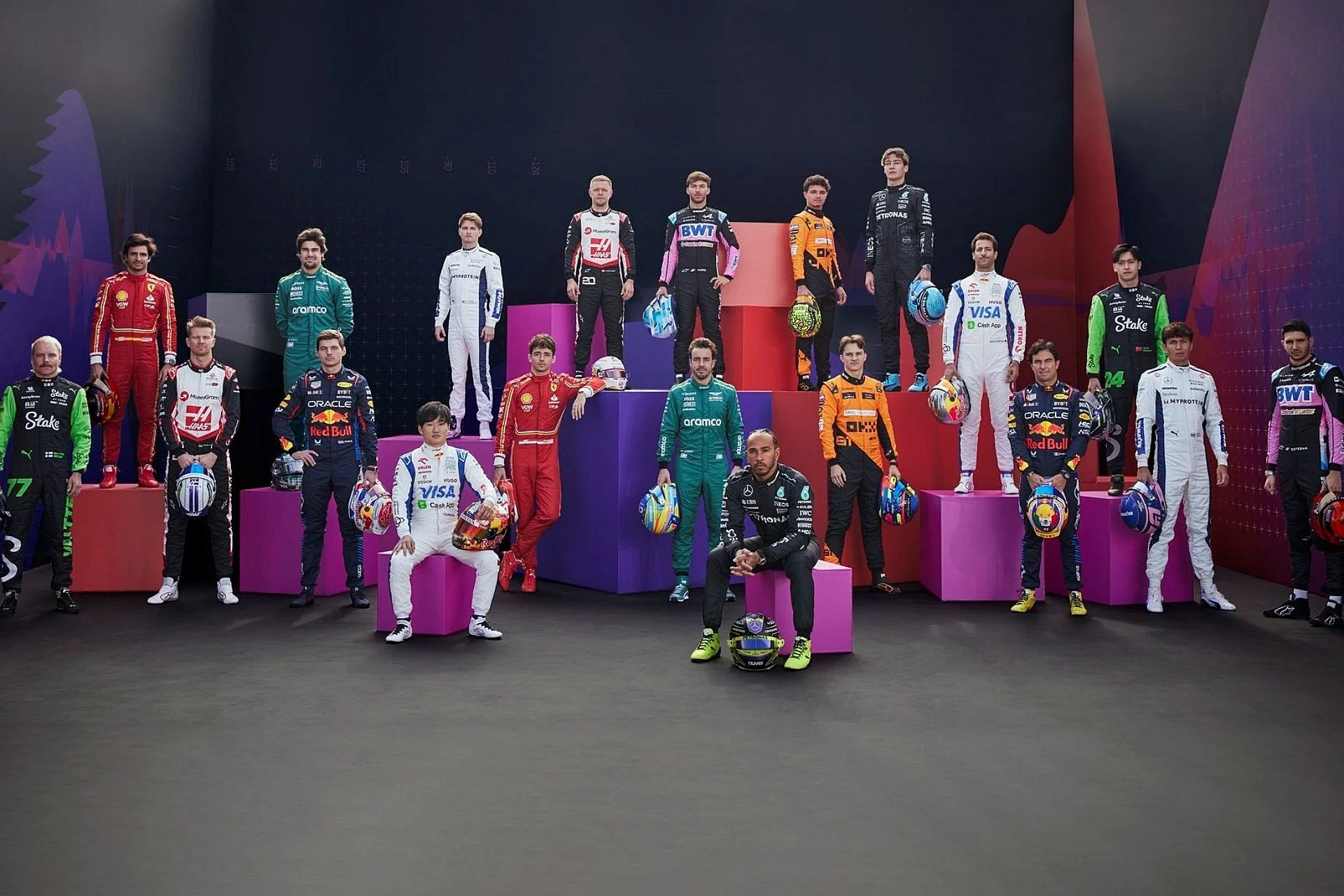
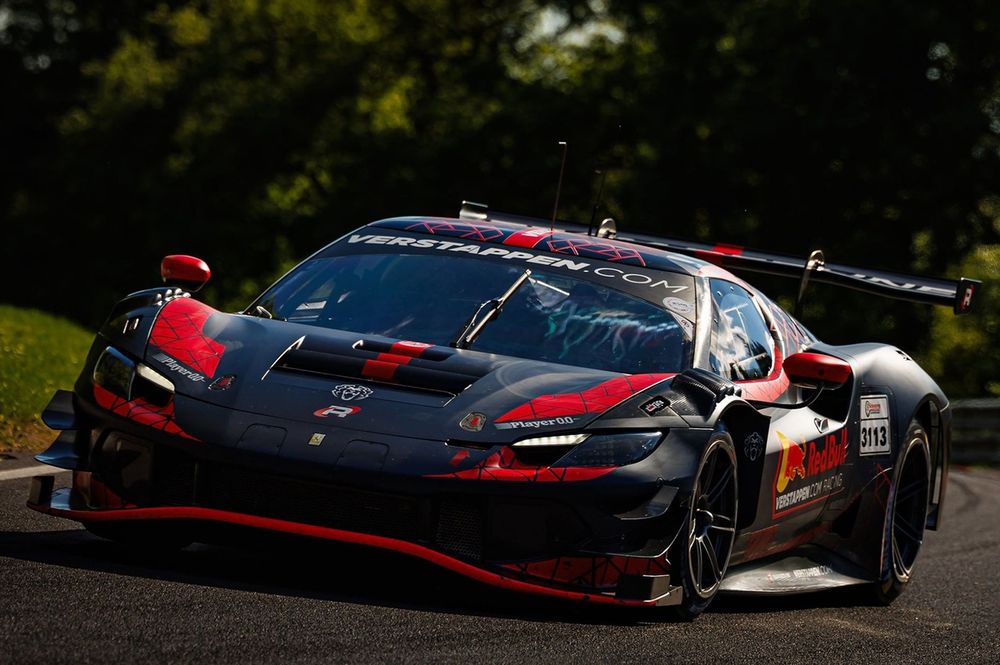
Top drivers are adapting too. Max Verstappen’s decision to race in GT3 alongside his F1 career shows the cross-platform appeal of motorsport. Drivers now double as global influencers who connect with fans across race weekends, YouTube channels, and sim-racing streams.
What F1 content works on social media?
- Explainers and memes: short clips on TikTok, Instagram reels, and YouTube Shorts break down race tactics and driver stats for Gen Z.
- Livestream culture: fans interact in real time through polls, trivia, and live commentary.
- Lifestyle content: track-side luxury moments and behind-the-scenes pit access turn F1 into lifestyle content for a global youth audience.
This is a generation that values experience and interactivity, not passive viewing.
What challenges and opportunities lie ahead?
The F1 fanbase keeps growing, but a few issues remain.
- Balancing digital-first fans with traditional TV audiences.
- Keeping female and Gen Z inclusion meaningful rather than tokenistic.
- Adapting race formats, commentary, and marketing to hold attention.
Each of these is also an opportunity for broadcasters, esports partners, and merchandise teams to test fresh ideas.
The bigger picture
Formula 1 in 2025 is a sport redefined by Gen Z and women. Roaring engines now share space with social media buzz, luxury branding, and cross-platform content. Drivers like Max Verstappen, young talents like Atiqa Mir, and a wave of digital creators are building a new generation of fans.
F1 is no longer only about racing. It is about culture, lifestyle, and global youth engagement. As Gen Z’s influence grows, the sport will keep evolving: faster, louder, and more connected than before.
FAQs about Gen Z and Formula 1
Why is Gen Z so into Formula 1 right now?
Gen Z watches F1 on TikTok, YouTube, and Twitch rather than traditional TV. Creator-led explainers, memes, and live chats turn each race into an interactive event, and lifestyle tie-ins with streetwear and esports keep the sport present between race weekends.
Who is Atiqa Mir?
Atiqa Mir is a 10-year-old racing prodigy from India. She is part of the talent pipeline encouraged by programmes like F1 Academy’s “Discover Your Drive”, which help young women pursue professional motorsport careers.
Why is Max Verstappen racing in GT3?
Max Verstappen races in GT3 alongside his Formula 1 career. The move shows how top F1 drivers now work across motorsport formats to reach more fans and expand their brand beyond the F1 calendar.
How are women changing Formula 1?
Women are changing F1 on three fronts: as a growing slice of the audience, as content creators who make the sport accessible to newcomers, and as drivers entering the talent pipeline through initiatives like F1 Academy.
Why do luxury brands sponsor Formula 1?
Luxury brands sponsor F1 because the sport now reaches young, aspirational buyers. Watches, fashion labels, and premium car brands use F1 to blend motorsport with style, tech, and social influence, aimed squarely at the Gen Z consumer.