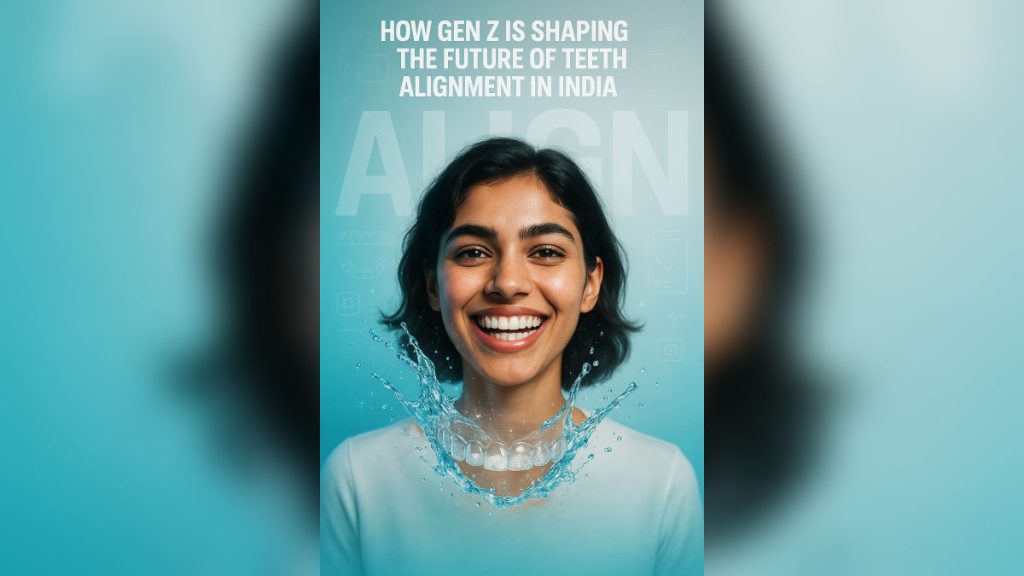
Short answer: Indian Gen Z is rewriting teeth alignment fast. Metal braces are losing ground to nearly invisible clear aligners from Toothsi, Invisalign India, Linea Clear and Illusion Aligners, with the local market sized at USD 287.5 M in 2023 and forecast to hit USD 1.2 B by 2035 at 11.85% CAGR. Aesthetics, EMI pricing and tele-dentistry are doing the heavy lifting.
Over the past few years, India’s orthodontic industry has gone through a quiet, striking shift. Metal braces, the default route to a straighter smile for decades, are being elbowed aside by sleek, near-invisible clear aligners. And the force pushing the change? India’s digitally fluent, image-aware, convenience-hungry Gen Z.
From Delhi college campuses to Bangalore co-working hubs, the talk about teeth alignment has spilled out of dental clinics. It lives now on Instagram Reels, in YouTube Shorts, and inside influencer-led WhatsApp groups. The smile, somewhere along the way, stopped being a dental thing. It became social currency.
What is the Gen Z smile mindset?
Earlier generations treated orthodontics as a clinical chore. Gen Z reads it differently — as part of a wider self-care arc, halfway between health and aesthetics. A 2023 consumer behaviour survey indicated that over 70% of Indian young adults believe their smile significantly affects how they are perceived online.
Scroll your Instagram feed and the before-and-after transformation videos are hard to miss. A Pune-based lifestyle influencer unboxes her aligners, a Bengaluru software engineer shares her “Day 100 smile update,” and the message lands the same way each time: how you smile matters, in the selfie and outside it.

Why are clear aligners winning Gen Z hearts?
The clear aligner surge in India isn’t accidental. It’s a stack of cultural, technological and economic shifts hitting at once.
1. Aesthetic appeal meets social media
Metal braces work. They also visually shout. For a generation that lives in 1080p and posts in 4K, that’s a problem. Clear aligners hit a sweet spot — they do the job and almost nobody can tell. Influencers across Instagram, Moj, and YouTube have boosted the appeal by sharing personal journeys, often with discount codes or affiliate links that lower the friction further.
2. Lifestyle compatibility
Aligners pop out for meals, drinks, important social moments. That’s the catch — they fit Gen Z’s fluid, fast-paced rhythm in a way old braces never could (no off-limits foods, no monthly tightening visits).
3. Tech-first treatment
Brands like Toothsi, Invisalign India, Linea Clear and Illusion Aligners are using 3D scanning, AI-driven treatment plans and app-based tracking. Tele-dentistry trims the in-person visits down to a handful. For a student in a tier-2 town or a young professional juggling nine-to-nine workdays, that’s a real unlock.
4. Affordability and flexible payments
Premium brands still carry a premium tag. But several Indian players offer EMI options starting as low as ₹3,000 a month. The price ladder has flattened. Even college students can think about treatment without dipping into emergency savings.

Which brands are making noise in India?
The clear aligner landscape here is a mix of global heavyweights and homegrown disruptors.
- Toothsi – Aggressive marketing via influencer collaborations, IPL partnerships and quirky ad campaigns. The tone is casual, friend-to-friend, not patient-to-clinician.
- Invisalign India – Global leader positioned as a premium choice, leaning on celebrity endorsements and dentist partnerships.
- Linea Clear – Minimalist branding and a tech-forward approach aimed at metro-based young professionals.
- Illusion Aligners – Affordability fused with sophisticated tech, with educational content that demystifies orthodontics.
These brands aren’t selling dental products. They’re selling confidence, convenience and a sense of belonging to a modern, health-aware tribe.

How are brands marketing aligners to Gen Z?
1. Influencer-led storytelling
Brands lean on relatable micro-influencers narrating their aligner journey through daily vlogs, candid Q&A sessions and “first unboxing” videos. The raw, unfiltered moments make the process feel real.
2. Gamified progress tracking
Some brand apps let users “unlock smile milestones” and share badges on social media, turning treatment into a celebratory journey.
3. On-ground pop-up experiences
In metro cities, interactive stalls at malls and college fests offer free smile scans. At one Mumbai event, my own 3D post-treatment simulation arrived on WhatsApp within 15 minutes, sitting somewhere between a tech demo and a beauty consultation.
4. Community building
Closed WhatsApp and Telegram groups let aligner users swap tips, troubleshoot, share selfies, and (subtly) lock in loyalty.
5. Cause-linked campaigns
And some brands back dental awareness in rural areas, or subsidise check-ups for underprivileged kids — which lines up with Gen Z’s preference for purpose-driven brands.

A personal glimpse: the 3D smile moment
Last year, a friend of mine — Ananya, a 23-year-old MBA student — decided to try aligners after a subtle nudge from her Instagram explore page. She booked a free home visit from Toothsi. Within minutes of scanning, she saw her current smile alongside a digitally simulated “future” smile.
“It wasn’t just about straight teeth,” she told me. “It was about picturing a version of myself that felt more confident in every photo, every interview, every first meeting.”
What is the road ahead for clear aligners in India?
India’s dental care market is set to grow fast, and clear aligners are claiming a bigger slice. AI advances could trim treatment times, allow fully remote adjustments and even fold oral health monitoring into the aligners themselves.
But fast growth carries risk. Over-promising. Inconsistent quality. Unrealistic expectations. The brands that pair aspiration with honest education are the ones that will hold long-term trust.
How big is the Indian clear aligner market?
India clear aligners market overview
- 2023 market size: USD 287.5 M → Forecast: USD 1.2 B by 2035 at 11.85% CAGR.
- Growth drivers: rising incomes, digital dentistry, aesthetic demand.
Global context
- 2024 global market: USD 6.49 B, projected to hit USD 32.35 B by 2030 (31.3% CAGR).
Gen Z’s economic power
- Population: 377M; spending power: USD 860 B (~46% of consumer spend).
- 77% engage with AR/interactive media, trust influencers heavily in decision-making.
Oral care gaps
- 59% brush once daily; only 34% twice daily — leaving room for preventative care campaigns.

For India’s Gen Z, a smile is more than a dental feature. It’s a visual signature. Clear aligners line up with the ethos: aesthetic, convenient, tech-enabled, confidence-boosting.
Next time you see someone in a Mumbai cafe discreetly slipping out a transparent tray before sipping coffee, remember — that’s not just dental care. That’s a cultural moment in motion.
FAQs about clear aligners and teeth alignment in India
Are clear aligners actually cheaper than braces in India?
Not always cheaper outright. Premium brands like Invisalign India still cost more than basic metal braces, but several Indian players offer EMI options from around ₹3,000 per month, which makes the upfront cost easier to swallow. The total bill depends on case complexity and brand chosen.
How big is the Indian clear aligner market in 2025 and beyond?
The Indian clear aligners market was sized at USD 287.5 M in 2023 and is forecast to reach USD 1.2 B by 2035, growing at 11.85% CAGR. Globally, the segment was USD 6.49 B in 2024 and is projected to hit USD 32.35 B by 2030 at 31.3% CAGR.
Which are the leading clear aligner brands in India?
The four most visible names are Toothsi, Invisalign India, Linea Clear and Illusion Aligners. Toothsi is influencer- and IPL-heavy, Invisalign is the premium global benchmark, Linea Clear targets metro professionals, and Illusion balances affordability with strong educational content.
Why is Gen Z choosing clear aligners over traditional braces?
Three reasons stack up: aligners are nearly invisible (which matters for selfies and video calls), they’re removable for meals and events, and tele-dentistry plus EMI pricing have lowered both the time and money cost of treatment.
Are clear aligners safe for everyone?
For most mild to moderate alignment issues, yes. Severe orthodontic cases sometimes still need traditional braces or hybrid treatment. A consultation with a qualified orthodontist (not just an app-based scan) is the right way to confirm whether aligners suit your specific case.