Short answer: Being the lone single in a coupled friend group is awkward, sometimes lonely, and entirely normal. Acknowledge the feelings without judgement, widen your social circle beyond couple-only spaces, set clear boundaries at couple-heavy events, and lean into the autonomy single life actually offers. A 2021 study in Personality and Social Psychology Review found single people often report higher personal growth and social engagement than partnered ones.
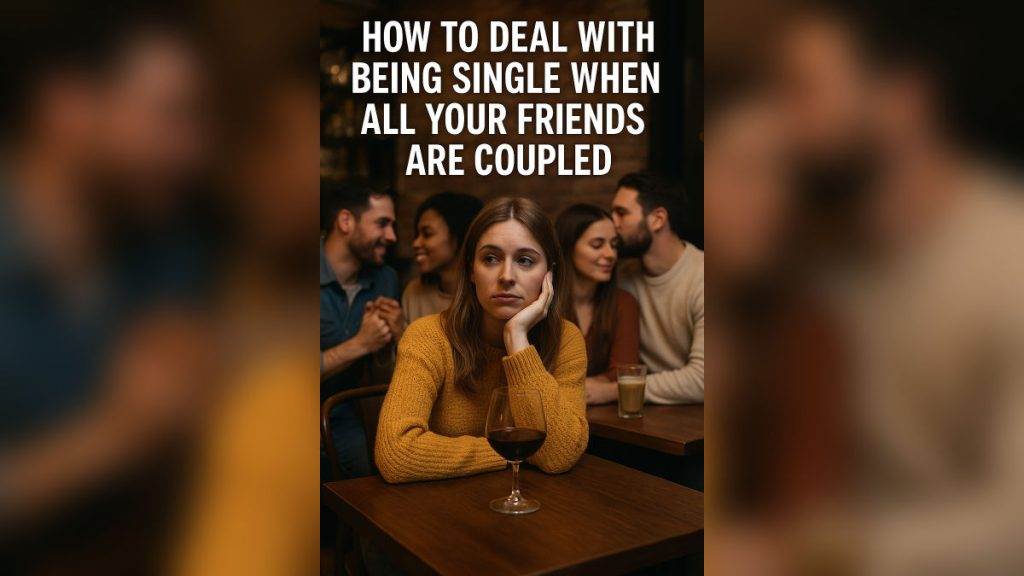
It starts subtly. Dinner plans become double dates, group chats fill with “partner” memes, and suddenly you’re the only one showing up to brunch without a plus-one. Being single while your friends are coupled up can feel like walking into a party where everyone else already has a dance partner. It’s isolating, occasionally awkward, and sometimes it stings more than you’d like to admit.
But here’s the truth. Being single isn’t a sign that you’re behind in life, it’s just a different and equally valuable path. If you’re navigating this season, especially as a Gen Z adult surrounded by coupledom, this guide will help you organise your solo journey with confidence and clarity.
Why does it hurt to be single when your friends are coupled?
It’s okay to feel what you feel
No need to sugarcoat it. Watching your best friend get engaged while you’re debating which flavour of instant noodles to cook can spark envy or loneliness. That doesn’t make you weak or bitter. It makes you human.
Psychologist Dr. Kristin Neff emphasises the importance of self-compassion in difficult emotional moments. Rather than scolding yourself for feeling left out, take a breath and acknowledge your emotions with kindness. Try telling yourself, “It’s okay to feel this way. I’m doing my best.”
Rewriting the inner dialogue
Negative self-talk creeps in silently. “What’s wrong with me?” Or “Maybe I’m not lovable.” Challenge those intrusive thoughts. Replace them with truths grounded in self-worth: “My value isn’t determined by my relationship status,” or “I bring joy, loyalty, and laughter to the people around me.”
Self-affirmation feels awkward at first. Repetition makes it real. Over time, you’ll notice your inner voice becoming gentler and a bit more empowering, which is roughly the whole point of the exercise.
How can you expand your social universe?
Build a wider circle
When your inner circle is immersed in couple life, it’s natural to feel left out. One powerful antidote? Diversify your friendships. Seek out connections with people who are also single, or those who simply value independence.
Join local meetups, hobby-based clubs or virtual communities that match your interests. Hiking group, book club, coding circle, the whole lot, shared passions foster authentic bonds that go beyond relationship statuses. I’ve seen this play out a hundred times in tier-2 cities where a Saturday badminton group ends up doing more for someone’s mental health than any dating app.
Embrace the third-wheel role on your terms
Being the lone single among couples doesn’t always have to be awkward. Sometimes it can be enjoyable. But only if you’re comfortable. Set boundaries with your coupled friends. If the dinner conversation is turning into an inside joke-filled recap of their couples’ spa retreat, speak up or suggest a topic shift.
Better yet, plan group activities that are inclusive by design: trivia nights, escape rooms, movie marathons. That way the energy is about fun and connection, not who’s holding hands.
What’s actually good about being single?
The perks of being unattached
Being single isn’t a waiting room for your next relationship, it’s a vibrant phase of self-discovery. You get to prioritise you without compromise. Want to backpack through Vietnam? Go for it. Curious about improv comedy or pottery? Sign up.
A 2021 study published in Personality and Social Psychology Review found that single individuals often report higher levels of personal growth, autonomy and social engagement than their partnered counterparts. You’re not missing out. You’re just writing a different kind of story.
Rediscover self-reliance and adventure
When you rely on yourself for fun, emotional support and decision-making, you build unshakable confidence. Start small. Take yourself out for dinner, go to a movie solo, explore your city like a tourist. The more comfortable you become in your own company, the less you’ll crave external validation.
How do you survive couple-centric events?
Plan ahead for emotional safety
Weddings, Valentine’s dinners, couple game nights. They’re not always easy to endure when you’re single. The key? Preparation.
Ask the host if you can bring a friend. Plan a backup activity you can look forward to afterward. Or, if the thought of going makes your stomach twist, give yourself permission to decline. It’s okay to say, “Thank you, but I’m sitting this one out.”
Set boundaries with love
If your friends often discuss their relationships in ways that make you feel excluded or uncomfortable, speak up. Boundaries aren’t walls, they’re bridges to healthier and more respectful relationships.
A simple statement like, “I love that you’re happy, but I’d appreciate if we could talk about something else for a bit,” can go a long way.
Why does comparison make singlehood feel worse?
Comparison is the thief of joy
Social media often paints a highlight reel of “perfect” relationships. Sunsets, matching pajamas, surprise proposals. Behind every post is a real couple with real struggles, and comparing your life to someone else’s curated feed is not only unfair, it’s unproductive.
Focus inward instead. What brings you joy? What kind of life do you want to build, with or without a partner?
Trust your own timing
There’s no universal deadline for love, success or self-actualisation. Whether you meet someone tomorrow, next year, or never, your life is still full, valid, and beautiful. Trust that your journey is unfolding at the pace that’s right for you.
Reframing what it means to be single
Being single while your friends are coupled isn’t a curse. It’s an invitation. To know yourself deeply, to build a life rich in meaning, and to create relationships rooted in choice rather than loneliness.
You’re not falling behind. You’re growing in a direction that’s yours alone.
FAQs about being single when friends are coupled
Why do I feel lonely when all my friends are in relationships?
Watching close friends pair off can trigger envy, FOMO and a sense of being left behind, even when you’re otherwise happy. It’s a normal human response to a shifting social dynamic, not a sign that something is wrong with you. Acknowledging the feeling without judgement is the first real step.
How do I stop feeling like the third wheel around couples?
Set gentle boundaries when conversations turn couples-only, and propose group activities built for fun rather than romance, like trivia nights, escape rooms or movie marathons. Diversify your friendships beyond your coupled inner circle so your social life doesn’t depend on plus-ones.
Is being single in your 20s actually bad for you?
No. A 2021 study in Personality and Social Psychology Review found single individuals often report higher levels of personal growth, autonomy and social engagement than their partnered peers. Singlehood is a phase of self-discovery, not a holding pattern.
Should I skip my friend’s wedding if I’m dreading going alone?
You can ask the host to bring a friend, plan something nice for afterward, or politely decline. “Thank you, but I’m sitting this one out” is a complete sentence. Protecting your emotional bandwidth isn’t rude, it’s self-care.
How do I deal with social media making me feel worse about being single?
Remember that feeds are curated highlight reels, not full pictures of anyone’s relationship. Mute or unfollow accounts that consistently spike comparison, and redirect that scroll time toward hobbies, friendships and small solo adventures that build real confidence.