
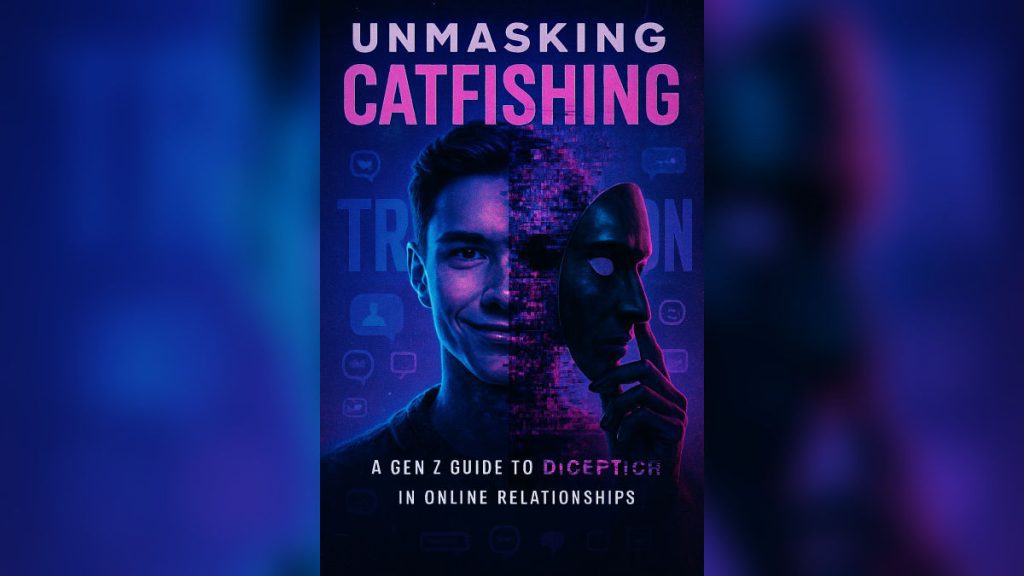
Short answer: Catfishing is when someone builds a fake online identity, often using stolen photos and invented life stories, to manipulate a real person emotionally or financially. It hits Gen Z hardest because their relationships start on Instagram, Snapchat, Bumble, Hinge and Tinder. In 2023 alone, romance scams cost U.S. victims over $1.3 billion per Proofpoint, with the average loss close to $5,000.
A love story, or just a lie?
Imagine finding someone online who feels perfect. They say all the right things, share your favourite memes, seem to genuinely care. As time passes, though, things stop adding up. They dodge video calls, swerve every meet-up, always have an excuse. If this scenario feels familiar, you’ve probably been catfished.
In the digital dating world Gen Z lives and breathes, catfishing isn’t just a buzzword. It’s a real concern with emotional, psychological and financial fallout. Let’s look at what catfishing actually is, why it lands so hard on Gen Z, and how to spot and stop it before it hurts you or someone you care about.

What exactly is catfishing?
Catfishing is the act of creating a fake identity online to deceive someone, often for emotional manipulation, revenge or financial gain. A catfisher might use stolen photos, fabricate personal details, or completely invent a life that doesn’t exist. The aim? To lure someone into a relationship built on lies.
The term might bring to mind MTV’s famous show Catfish. But the reality is often darker, and a lot more personal. It isn’t about pretending. It’s about control, deceit, and in many cases, emotional exploitation of someone who never agreed to play that game.

Why is catfishing so common among Gen Z?
Digital-first relationships
Gen Z is the first generation to fully grow up with smartphones and social media. Platforms like Instagram, Snapchat, and dating apps such as Bumble, Hinge and Tinder are the default venues for meeting new people. Convenient, sure. But risky.
According to a survey by Snap Inc., a notable percentage of Gen Z users or their friends have run into catfishing attempts, particularly on social media. The internet’s anonymity makes it shockingly easy for someone to craft a false persona with very little accountability attached.
Emotional vulnerability
Adolescents and young adults are in a phase of exploring identity and chasing connection. That openness, unfortunately, can make them more susceptible to manipulation. Many catfishers prey on it, offering comfort or romance to anyone who’s lonely, recently heartbroken, or just looking for a bit of validation in their feed.
The temptation to experiment
Not every catfisher is malicious. Some Gen Z individuals build fake profiles out of boredom, curiosity, or to explore gender and identity in what feels like a low-risk way. Their intentions might not be sinister. The damage to whoever’s being deceived is still real.
What motivates someone to catfish?
Catfishing isn’t one-size-fits-all. People do it for very different reasons:
- Emotional validation: Some catfish to feel loved, accepted or admired—something they may lack in real life because of insecurity or trauma.
- Financial scams: Romance scams are a multibillion-dollar industry. Catfishers often ask for money under false pretences, like family emergencies, travel costs or medical bills.
- Revenge or malice: Sometimes catfishing is a weapon, used to humiliate, blackmail or emotionally hurt someone, sometimes an ex.
- Curiosity or roleplay: Others treat it as a game, not realising the toll it takes on the person on the receiving end.

What’s the impact of being catfished?
Emotional fallout
The pain of discovering that someone you cared for never actually existed can be devastating. Victims often report feeling betrayed, foolish, humiliated. It can trigger anxiety, depression, even PTSD in extreme cases. Strange, really, how grief still hits when the person you’re grieving was never real.
Financial loss
According to Proofpoint, catfishing scams can cause major financial damage. In 2023 alone, people lost over $1.3 billion to romance scams in the U.S., with the average loss per person reaching nearly $5,000. That’s a year’s rent in many cities, gone to a profile that never logged in honestly.
Long-term trust issues
Being deceived at this personal a level can make it hard to trust future partners, particularly online. The scars carry over, leading to suspicion, detachment, or fear of intimacy in relationships that come later.
How do you spot a catfish?
1. Too perfect to be true
If their life seems flawless—the model-level photos, the luxury travel, the exotic stories—it might be fabricated. Reverse image searches with tools like Google Images or TinEye can verify the authenticity of profile pictures in under a minute. Use them.
2. Avoiding real-time communication
Catfishers usually refuse to video chat, send voice notes, or meet in person. If someone keeps making excuses for not showing their face or talking live, that’s a big red flag. The bigger the excuse pile, the bigger the flag.
3. Love bombing and fast intimacy
If someone you barely know is professing deep love or pushing for an exclusive relationship within days or weeks, slow down. This tactic, called love bombing, is often used to quickly establish emotional dependency. And dependency is leverage.
4. Inconsistent stories
Pay attention to the small stuff. Do they forget what they told you last week? Do their stories quietly shift? Tiny inconsistencies can signal a fabricated identity, especially when they pile up.

How do you actually protect yourself?
- Verify their identity before investing emotionally. Ask for video calls or social media profiles with consistent activity and mutual connections.
- Don’t overshare. Keep your home address, bank info and private photos off the table until trust is genuinely earned.
- Listen to your instincts. If something feels off, that gut feeling deserves the benefit of the doubt.
- Report and block suspicious accounts on dating apps and social media platforms. Most apps make this easier than people think.
- Talk to someone you trust. A friend, sibling or therapist can give you a second opinion that cuts through the fog.
A personal reflection
When I was 19, I matched with someone who seemed like the perfect guy. Kind. Funny. Shockingly attentive. But something always felt slightly “off.” After weeks of texting and dodged video calls, I did a reverse image search. The photos were lifted from a Brazilian fitness influencer’s Instagram. My “dream guy” never existed. The disappointment hit hard, but the lesson stuck even harder: always verify, never just fantasise.
Love in the age of deception
Catfishing is more than an internet hoax. It’s a deeply personal violation that preys on the human need for connection. For Gen Z, whose lives are tangled up with the digital world, awareness is the first real layer of protection.
So next time someone slides into your DMs or matches with you on a dating app, take a moment to ask yourself: Do I know who this person really is?

In an era where digital love stories are becoming the norm, it matters more than ever to approach online relationships with both an open heart and a sharp mind. Both. Not one or the other.
FAQs about catfishing in online dating
What is the simplest way to check if someone is catfishing me?
Run a reverse image search on their profile photos using Google Images or TinEye. Then ask for a short, unscheduled video call. A real person can do both. A catfisher will dodge one or the other, usually with a perfectly rehearsed excuse.
How much money do people lose to romance scams?
Per Proofpoint, U.S. victims lost over $1.3 billion to romance scams in 2023, with the average loss per person near $5,000. The scams almost always start with emotional rapport, then escalate to a fake emergency that needs cash fast.
Why is Gen Z more exposed to catfishing than older generations?
Gen Z is the first cohort to grow up with relationships that begin on Instagram, Snapchat and apps like Bumble, Hinge and Tinder. The platforms reward fast intimacy and visual polish, which is exactly the playground catfishers thrive in.
What should you do if you realise you’ve been catfished?
Stop sending money or photos. Save screenshots and chats as evidence. Block and report the account on the platform. If you’re in India, file a complaint at cybercrime.gov.in. Talking to a friend or therapist helps with the emotional fallout, which can hit as hard as financial loss.
Are all catfishers trying to scam money?
No. Some catfish for emotional validation, some for revenge or malice, and some out of curiosity or roleplay. Even the non-financial ones cause real harm, since the emotional bond on the victim’s side is genuine even when the persona on the other end isn’t.