
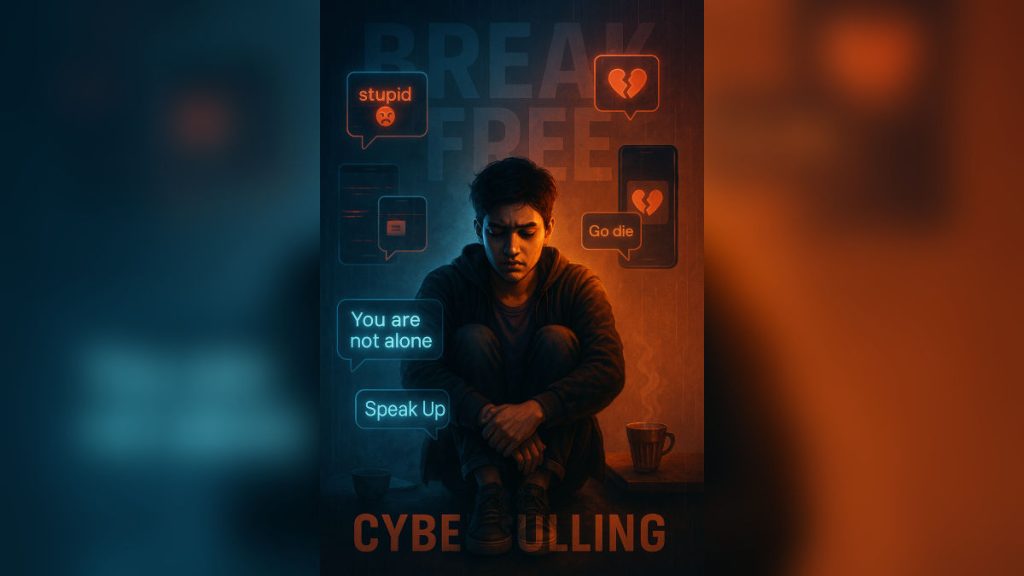
Short answer: If you’re being cyberbullied in India, don’t engage. Screenshot everything, block and report on the platform, then file a complaint at cybercrime.gov.in or your nearest cyber crime cell. The IT Act, 2000 (Sections 66A, 67, 507) and IPC Section 354D give you real legal teeth. Reach out to iCall (TISS) or AASRA for free counselling if it’s wrecking your mental health.
The internet feels like home, until it doesn’t. One day you’re laughing at a meme with friends, the next you’re watching strangers tear apart a selfie you posted without thinking twice. That whiplash? It’s the daily reality for a frightening number of young Indians right now.
Over 40% of India’s population is under 25, and smartphone usage keeps climbing. So does the harassment that rides shotgun with it. Cyberbullying is no longer some niche internet problem; it’s a mental health crisis hiding inside a comments section.
What is cyberbullying, really?
Cyberbullying is the use of digital tools to harass, threaten, embarrass, or target someone. It wears many masks. Name-calling. Spreading rumours. Cyberstalking. Sharing private images without consent. Sometimes it’s a single nasty DM. Sometimes it’s a coordinated pile-on that lasts for weeks.
The numbers tell the story even when victims can’t. A Pew Research Center study in the U.S. found nearly 46% of teens had faced at least one form of cyberbullying. Indian data is patchier, but a 2021 Child Rights and You (CRY) study showed 1 in 3 Indian teenagers had experienced online abuse. Girls cop the worst of it, often targeted for how they look, what they wear, or just for existing online.
Why is it so common among Indian youth?
A few things stack up at once.
Smartphones everywhere, digital literacy nowhere
Cheap data and cheaper handsets mean kids as young as 10 or 11 are scrolling, posting, and DM-ing. But nobody really teaches them how to handle the toxicity that comes with it. Access has galloped ahead of awareness, and the gap is where the bullies thrive.
Most people don’t know their rights
Online harassment is a punishable offence under the IT Act, 2000 and the IPC. Most young Indians have no clue. That ignorance does two ugly things at once, it emboldens bullies and makes victims feel powerless.
A genuinely toxic online culture
Slut-shaming, trolling, body-shaming, casteist hate, hate speech, the whole nine yards. Indian comment sections, especially on Instagram and Snapchat, can be brutal. Influencers, celebs, regular school kids, nobody’s spared. And the algorithm rewards the loudest, angriest takes. Strange, really, how the platforms designed to connect us also amplify the worst voices in the room.
What forms does it actually take?
- Name-calling and offensive comments on posts or stories
- Rumour-spreading via DMs or anonymous apps like Sarahah or NGL
- Cyberstalking, where someone obsessively monitors your online activity
- Non-consensual sharing of private images (often called “revenge porn”)
- Unwanted sexual messages or images, the so-called “cyberflashing”
- Exclusion from online groups, or targeted bullying inside WhatsApp school groups
Real stories from young Indians
“I once posted a selfie with my natural skin tone and got bombarded with comments like ‘kaali’ and ‘buy some Fair & Lovely’. I was just 15. I stopped posting my photos for two years.” — Riya, 19, Mumbai
“A fake account started spreading lies about me after a breakup. People believed it. I was humiliated in school, and even teachers hinted I was ‘too fast’. It took therapy to help me see it wasn’t my fault.” — Ananya, 17, Bengaluru
These aren’t outliers. They’re the texture of being young and online in India today, the kind of trauma that doesn’t show up on a report card but reshapes how someone moves through the world.
What can you do if you’re being cyberbullied?
Here’s the thing. There’s no perfect playbook. But there’s a sequence that works more often than not.
1. Don’t engage
Your first instinct will be to fire back. Resist it. Replying gives bullies oxygen, attention, and the dopamine hit they came for. Silence is sharper than you think. And it protects your evidence trail, more on that next.
2. Document everything
Screenshots. Usernames. Timestamps. Dates. URLs. Build the file before you do anything else. If this escalates, and it can, you’ll need every piece of it for the platform, the school, or the cops.
3. Block and report
Instagram, X (formerly Twitter), Facebook, Snapchat, all of them have block, mute, and report tools. Use them. Repeat violations can get the bully suspended or banned outright. Not always fast, but it works often enough.
4. Talk to someone you trust
Don’t sit with this alone. A parent, a teacher, a counsellor, a friend, anyone you trust. Sometimes naming the thing out loud, to a person who actually listens, takes half the weight off your chest.
5. Get professional help
Cyberbullying drives anxiety, depression, and in the worst cases, suicidal ideation. If you’re drowning, reach out. iCall (run by TISS) and AASRA both offer free counselling. There’s no shame in calling. Honestly. The shame belongs entirely to the people doing the bullying.
6. Know your legal rights
This is the part most people skip. Under Section 66A, 67, and 507 of the IT Act, and Section 354D of the IPC, online harassment, stalking and publishing private content without consent are punishable offences. You can file a complaint at the nearest cyber crime cell, or online through the National Cyber Crime portal. The law isn’t perfect, but it’s there, and bullies absolutely don’t expect victims to use it.
FAQs about cyberbullying in India
How do I report cyberbullying in India?
File a complaint at cybercrime.gov.in or visit your nearest cyber crime police station. Bring screenshots, usernames, URLs, and timestamps as evidence. You can also report directly inside the platform (Instagram, X, Facebook) using their built-in abuse reporting tools.
Is cyberbullying a punishable offence under Indian law?
Yes. Sections 66A, 67 and 507 of the IT Act, 2000 and Section 354D of the IPC cover online harassment, stalking, and non-consensual sharing of private content. Penalties can include fines and imprisonment depending on severity.
Where can Indian teens get free mental health help after cyberbullying?
iCall by TISS (9152987821) and AASRA (9820466726) both offer free, confidential counselling over phone and email. Both are youth-friendly and trained for online harassment trauma.
What should I do first if someone is harassing me online?
Don’t reply. Take screenshots immediately, then block and report the account on the platform. Tell at least one trusted adult. If the harassment escalates or includes threats, sexual content, or stalking, file a formal cyber crime complaint right away.
Are girls more affected by cyberbullying in India?
Yes. Studies including the 2021 CRY report indicate girls are disproportionately targeted, often based on appearance, gender, or social media activity. The harassment frequently includes sexualised insults, body-shaming, and non-consensual image sharing.