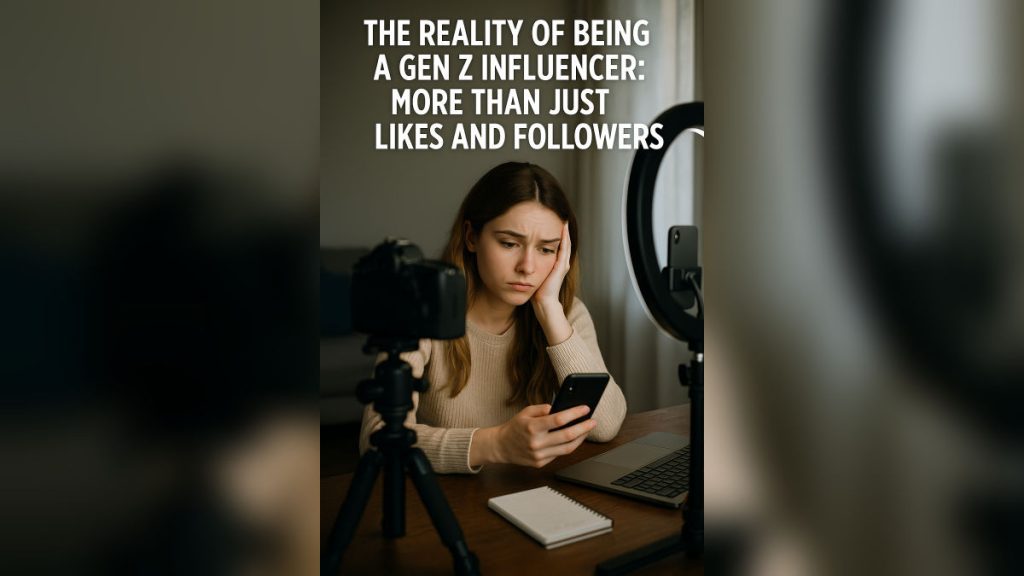
Short answer: Being a Gen Z influencer is more than likes and followers. With 84% of Gen Z trusting influencers over traditional ads (Morning Consult) and nearly 60% of creators reporting anxiety or overwhelm regularly (American Psychological Association, 2023), the role mixes authentic community-building with burnout, brand-deal tightropes and constant scrutiny.
In today’s hyperconnected world, being an influencer is more than a side hustle. It’s a cultural phenomenon. And Gen Z, the first truly digital-native generation, sits at the front of the movement. Armed with smartphones, creativity, and a deep-seated desire for authenticity, many Gen Z creators are redefining what it actually means to have influence online.
But behind the filters, Reels and viral trends sits a complex reality. The life of a Gen Z influencer is filled with opportunities, also nuanced challenges that often go unnoticed by the casual scroller.
Let’s peel back the layers and look at the full picture.
What’s the bright side of being a Gen Z influencer?
Authenticity reigns supreme
Unlike the millennial wave of influencers who often curated glossy, idealised versions of life, Gen Z leans into the real. Honesty, vulnerability and transparency are the currencies that build trust today. Whether it’s acne, anxiety or academic failures, Gen Z influencers who “get real” tend to see the deepest engagement.
Take creator Naina, for instance, a 20-year-old student from Pune who documents her exam stress, hostel chaos and unfiltered skincare journey. Her account feels more like a group chat than a feed, and her followers love her for it. “I never thought just being myself would be what people connected with most,” she says.
According to a report by Morning Consult, 84% of Gen Z trust influencers more than traditional ads, especially when the content feels raw and unscripted.
Building real communities, not just fanbases
Gen Z isn’t looking for celebrities. They’re looking for connection. Many influencers in this space succeed because they create a sense of belonging. They reply to DMs, acknowledge comments, and often invite followers into interactive content, like challenges, Q&As or live discussions.
Less broadcasting, more bonding.
Power to shape opinions and choices
Influencers today have a direct line to their audience’s decision-making. From which skincare to buy, which social cause to back, to what college hacks actually work, followers are listening.
And it isn’t just about product pushes. Gen Z influencers have been key drivers of social awareness movements, from body positivity to climate action. A short video can spark real conversations and real change.
Creative playground, limitless expression
TikTok, Instagram, YouTube Shorts, these platforms are the canvas, and Gen Z is painting outside the lines. With quick edits, memes and mini vlogs, young creators are mastering storytelling in 60 seconds or less. The result? A new form of creative self-expression that’s both powerful and personal.
Many now see content creation as a real career path, not just a pastime.
What are the hidden challenges of being a Gen Z influencer?
The tightrope of authenticity and ads
Here’s where things get tricky. As brand deals roll in, many influencers face the challenge of staying true to themselves while promoting products. A paid partnership is exciting, but if it feels forced, Gen Z audiences will call it out instantly.
Overly scripted promotions or questionable product endorsements often backfire. One viral misstep can erode years of trust. Influencers constantly ask themselves: How do I make money without losing credibility?
Performing on repeat
Content creation isn’t a 9-to-5. It’s 24/7. The demand to post consistently, stay on top of trends and keep audiences entertained creates immense pressure. Unlike a typical job, there’s no off button.
Many influencers admit they’re caught in a loop of burnout. Some fear taking breaks because “the algorithm doesn’t wait.” Others feel they’re losing touch with their real selves because everything is filtered through a screen.
A popular TikTok creator, Aryan (@aryantalks), shared in a recent post, “Some days, I feel like I’m just a character in my own content. I miss the version of me that didn’t care about analytics.”
Living in a fishbowl
Every post is public. Every opinion is dissected. And one controversial statement, intentional or not, can lead to backlash. Cancel culture moves fast, and the mental toll of constant scrutiny is heavy.
What’s more, the expectations don’t only come from fans. They come from brands, peers and even algorithms. It’s a delicate dance of being visible, likable and on-brand at all times.
The weight of hustle culture
With the glamorisation of influencing, there’s pressure on every young person to “build a personal brand.” The result? Many feel inadequate if they’re not growing online, going viral, or landing sponsorships.
This unspoken race to be relevant has created what some call the “influencer FOMO.” It’s easy to feel left behind, even when you’re doing just fine offline.
How does mental health factor into the influencer life?
Burnout. Comparison. Imposter syndrome. These aren’t buzzwords, they’re very real issues plaguing many Gen Z creators.
A study by The American Psychological Association in 2023 found that nearly 60% of Gen Z social media creators report feeling anxious or overwhelmed regularly, citing performance pressure and toxic comparison loops as primary causes.
Thankfully, more creators are speaking up. From posting about therapy to taking digital detoxes, Gen Z influencers are trying to set boundaries and normalise mental wellness. The struggle is ongoing.
Why does real influence require real responsibility?
Being a Gen Z influencer isn’t just about aesthetics. It’s about impact. With influence comes responsibility, to stay ethical, informed, and aware of how your voice shapes minds.
It’s encouraging to see creators use their platforms to spotlight causes, debunk misinformation, or simply make someone’s day better. But it takes emotional labour, awareness, and often, trial and error.
Final thoughts: beyond the filter
The reality of being a Gen Z influencer is far more layered than the highlight reels show. It’s a path full of potential, for expression, connection and positive change, but it comes with high expectations, pressure and vulnerability.
So if you’re someone dreaming of becoming the next big name on TikTok or Instagram, ask yourself: Why do I want this? What do I want to say? Can I stay grounded while being visible?
Because the most influential Gen Z creators aren’t the ones chasing followers, they’re the ones building trust, telling the truth and staying human.
Real influence starts when the filter comes off.
FAQs about being a Gen Z influencer
What is the reality of being a Gen Z influencer in 2025?
It’s a mix of opportunity and pressure. Gen Z creators enjoy direct influence over purchase choices and social causes, with 84% of Gen Z trusting influencers over traditional ads per Morning Consult. The flip side is constant content demand, brand-deal tightropes, public scrutiny and very real mental health costs.
Why do Gen Z trust influencers more than ads?
Because Gen Z values authenticity over polish. According to Morning Consult, 84% of Gen Z trust influencers more than traditional ads, especially when content feels raw, unscripted and personal. Creators like Pune’s Naina, who documents exam stress, hostel chaos and skincare unfiltered, build deep engagement precisely because the content reads like a group chat, not a campaign.
How common is burnout among Gen Z influencers?
Very common. A 2023 study by The American Psychological Association found nearly 60% of Gen Z social media creators report feeling anxious or overwhelmed regularly. Performance pressure and toxic comparison loops are the primary culprits, alongside the 24/7 content cycle and a fear that pausing means losing algorithmic visibility.
How do Gen Z influencers handle brand deals without losing trust?
The successful ones say no often. They pick brands that align with their voice and values, keep promotion language honest, and avoid scripted endorsements that feel out of character. Audiences detect inauthenticity quickly, and one viral misstep can erode years of trust, so curation matters more than volume.
Is becoming a Gen Z influencer a viable career path?
Yes, but with eyes open. Content creation is now a recognised career, not a pastime, with monetisation across TikTok, Instagram and YouTube Shorts. The trade-off is non-stop content demand, public scrutiny and real mental health risk. The most sustainable creators set boundaries, take digital detoxes and ground their work in purpose, not follower count.