
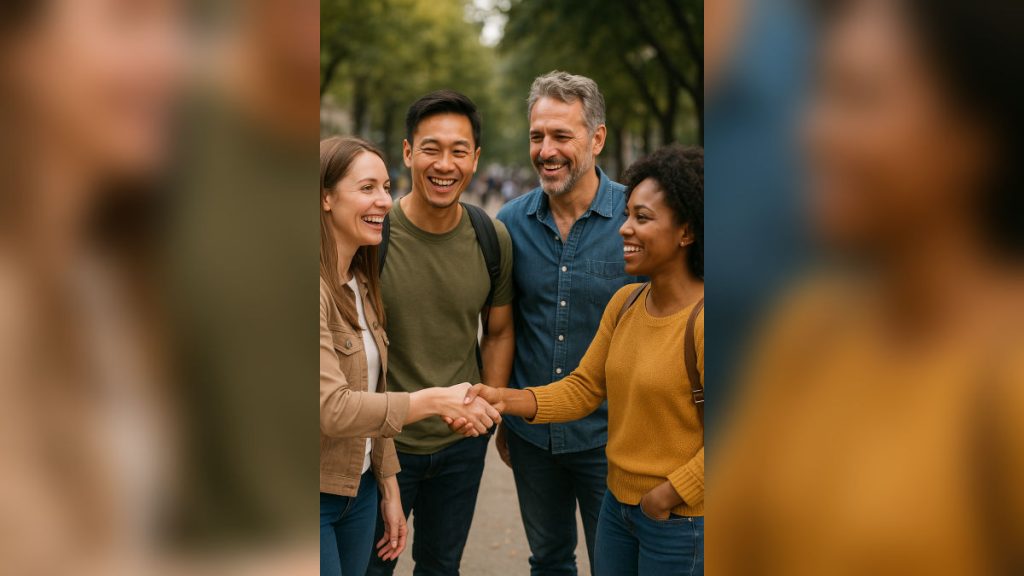
Short answer: Making friends as an adult is a skill, not luck. Be proactive, assume people like you (Harvard research shows we underestimate this), and put yourself in repeat-contact spaces, classes, volunteering, work meetups, community events, friendship apps like Bumble BFF or Meetup. Then follow up fast, listen more than you speak, and let vulnerability deepen the bond. Quality beats quantity.
Why does making friends as an adult feel so hard?
Friendship as a child is often spontaneous. You sit next to someone in school, trade snacks, and suddenly you’re best friends. As adults, forming new friendships feels more like navigating a maze with no map. Opportunities seem fewer, schedules tighter, self-consciousness higher. Yet despite the challenges, making friends as an adult is not only possible, it’s deeply rewarding.
With the right mindset, intention, and a bit of courage, you can build strong, meaningful connections that last a lifetime.
How does the right mindset start friendship from within?
Embrace a growth mindset
Making friends isn’t a skill you either have or don’t. It’s a process. Like learning a new language or picking up a sport, building connections takes practice, patience and persistence. Viewing social interaction as something that can be developed over time eases the pressure and helps you stay motivated.
Be proactive
Friendships don’t just “happen” as often in adulthood. You have to make the first move. Whether it’s saying hello at a yoga class, starting a conversation in the break room, or texting an old acquaintance, taking initiative weighs more than you think. It’s like planting seeds, some will grow, some won’t, but the act itself is progress.
Assume people like you
This small mindset tweak makes a big difference. Research from Harvard University suggests people tend to underestimate how much others like them after a first meeting. Believing that others are open to friendship creates a positive, confident energy that draws people in. Doubt pushes people away. Openness invites connection.
Be yourself, not who you think you should be
Authenticity is magnetic. Pretending to be someone you’re not to fit in is exhausting and unsustainable. Real friendships are built on honesty and shared vulnerability. Be honest about your quirks, interests and boundaries, those who connect with the real you are the ones worth keeping.
Where can adults meet new people in real life?
Join clubs, groups, or classes
From book clubs and dance classes to hiking groups and board game nights, joining communities that revolve around shared interests is one of the most effective ways to meet new people. These spaces offer natural conversation starters, and they pull together people who already have something in common.
Volunteer your time
Volunteering offers a double benefit, you give back to your community while meeting like-minded people. Food banks, youth mentoring, neighbourhood clean-ups, these settings are rich with connection.
Say yes at work (when you can)
Workplace relationships often stay surface-level. They don’t have to though. Join the company wellness challenge, attend casual meetups, suggest lunch with a coworker. You don’t need to be best friends with everyone, but small efforts can lead to deeper bonds over time.
Attend community events
Farmer’s markets, poetry readings, local festivals, town halls, these are low-pressure environments to meet people and soak in local culture. Bonus: they happen regularly, making repeat interactions possible.
Use friendship apps
In a world where dating apps are mainstream, friendship apps are catching up. Platforms like Bumble BFF, Meetup, or Friender help adults find others nearby with similar interests. If social anxiety holds you back in person, starting online might feel safer and more manageable.
Reconnect with old contacts
Sometimes the friendships we need are already in our orbit. Reaching out to a former classmate or ex-coworker can rekindle connections. Don’t overthink it, something like “Hey, I was just thinking of you. Want to catch up sometime?” can work wonders.
How do you turn an acquaintance into an actual friend?
Break the ice and keep it warm
Making eye contact, smiling, and offering a friendly hello is the first step. Next, lean into open-ended questions like “What got you interested in this?” or “What’s something you’ve been excited about lately?” These signal genuine interest and let the other person open up at their own pace.
Listen more than you speak
Active listening, really paying attention, nodding, paraphrasing, creates safety and trust. People remember how you made them feel more than what you said. When someone feels heard, they’re more likely to open up again and again.
Follow up and make plans
Don’t wait for the “perfect” moment to reconnect. Text the person you had a great chat with at the networking event. Suggest coffee, a walk, or a shared activity. Small gestures go a long way. According to a study published in Nature, people often underestimate how much others appreciate being reached out to. So go ahead and send that message.
Share and be vulnerable
You don’t need to spill your life story on day one. But gradually revealing more about your thoughts, feelings or experiences helps deepen trust. Vulnerability builds emotional closeness. In time, you’ll find it easier to be both open and receptive to others.
Be patient with the process
Not every connection will click. Some friendships will fizzle, and that’s okay. Adult life is busy, people have commitments, and building intimacy takes time. Think of friendship as a garden, it needs regular attention, space and care to grow.
How do you handle the awkward parts: anxiety, rejection, boundaries?
Dealing with social anxiety
If the idea of striking up conversations gives you knots in your stomach, you’re not alone. Break it down into micro-goals, smile at someone, ask a question, exchange numbers. Practice makes better. Consider therapy or social skills groups if the anxiety feels overwhelming.
Handling rejection gracefully
Not everyone you meet will reciprocate your efforts, and that’s a reality worth acknowledging. Don’t internalise it. People are dealing with their own stuff. Keep showing up, and you’ll eventually find your people.
Respecting your own boundaries
Introverts especially need time to recharge. It’s okay to say no. Making friends doesn’t mean stretching yourself thin. Quality matters more than quantity. A few strong friendships can enrich your life more than dozens of shallow ones.
Friendship is a journey, not a destination
Making friends as an adult isn’t about chasing popularity, it’s about building connections that bring joy, support and meaning to your life. It takes intention, courage, and a willingness to be open. The reward? A tribe of people who see you, know you, and walk alongside you.
So start small. Say hello. Ask a question. Send the text. And most importantly, be kind to yourself along the way.
Because every strong friendship begins with a simple act of reaching out, and the belief that you’re worthy of connection.
FAQs about making friends as an adult
Why is it so much harder to make friends as an adult?
The structured proximity that fuelled childhood friendships (school, daily play, shared classes) mostly disappears. Schedules tighten, self-consciousness rises, and you have to consciously create the repeat-contact moments that used to happen for free. The skill is the same. The setting is the work.
What’s the best place to meet people if you’re new to a city?
Pick something with weekly repeat exposure: a class, a volunteering shift, a sports league, or a recurring meetup. One-off events rarely produce friendships because intimacy needs reps. Friendship apps like Bumble BFF and Meetup are good supplements, especially if social anxiety makes cold approach hard.
How do you go from an acquaintance to a real friend?
Follow up fast after you click, suggest a low-stakes plan (coffee, a walk), then ask better questions and listen actively. Over the next few hangs, share something a little more personal each time. Vulnerability is the lever that converts pleasant company into actual closeness.
What if someone doesn’t want to be friends back?
Don’t internalise it. People juggle work, kids, family, mental health, and capacity is finite. A no isn’t a verdict on you. Keep reaching out, and accept that quality beats quantity.