Short answer: Millennials, Gen Z and Gen Alpha all consume content differently, so a single marketing strategy no longer works. A 2023 Deloitte report shows over 65% of Gen Z prefer short-form, fast-paced content. Amul stays relevant across all three by keeping its identity constant while adapting format, tone and platform, a useful framework for any brand marketing in India today.
Why one-size-fits-all marketing is over
There was a time, not long ago, when one television commercial could hold an entire household. Families sat together, watched the same shows and absorbed the same brand messages.
That feels almost nostalgic now.
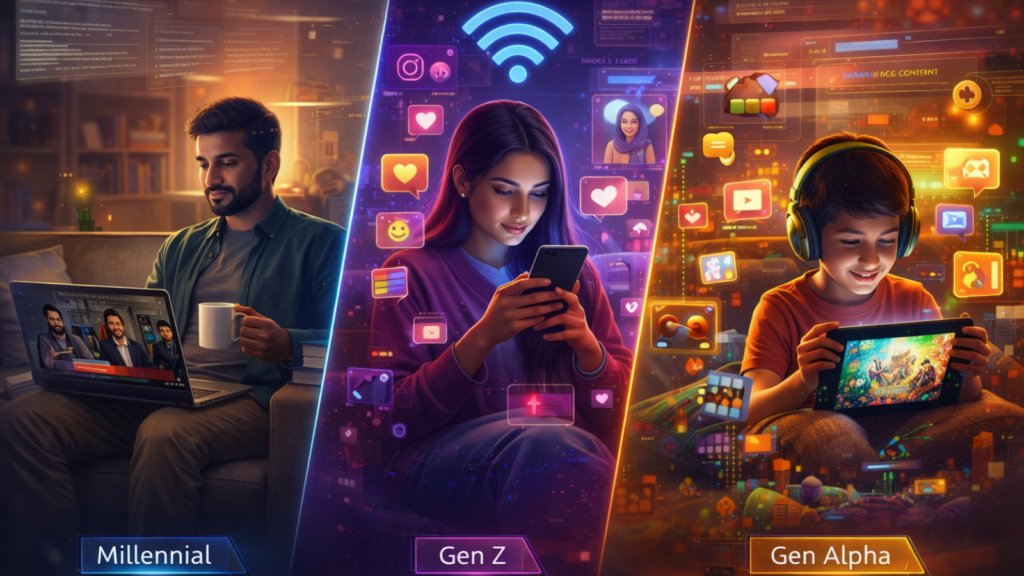
In a typical Indian home today, three generations often consume completely different content at the same time. A Millennial watching a long-form podcast on YouTube, a Gen Z user scrolling Instagram Reels, a Gen Alpha child deep in gaming videos or animated content. Same home, same Wi-Fi, different worlds.
A 2023 Deloitte report found that over 65% of Gen Z consumers prefer short-form, fast-paced content, while Millennials continue to engage with long-form, informational formats. Gen Alpha is growing up in a visual, interactive ecosystem where attention is earned in seconds.
The takeaway: a single marketing strategy no longer works.
How should brands think about the generational divide?
To market well today, brands must move past demographics and look at mindsets. Each generation carries its own worldview, shaped by technology, culture and lived experience.
How do Millennials decide what to buy?
Millennials, born between the early 1980s and mid-1990s, came of age during economic uncertainty and rapid digital change. They value trust, reliability and tangible benefits.
They don’t mind advertising, as long as it is clear and useful.
Content that works for Millennials tends to be:
- Informative and structured
- Story-driven
- Focused on problem-solving
They read reviews. They compare options. They take their time.
I’ve noticed this in conversations with Millennial professionals. Whether the purchase is a financial product or a gadget, the process is deliberate. Research. Logic. Patience.
For this group, brands must earn trust before they earn attention.
Why does Gen Z care more about identity than products?
Gen Z approaches brands very differently. They don’t only buy products, they buy what those products represent. Identity is central.
This generation values:
- Authenticity over perfection
- Humour and relatability
- Creator-led storytelling
- Social proof
They catch anything that feels forced or over-polished within seconds.
A Morning Consult report notes that Gen Z trusts influencers almost as much as their friends when making purchase decisions. That is a sharp shift from traditional brand authority.
What stands out in my interactions with Gen Z is how fast they judge tone. Within seconds, they decide whether something feels “real” or “trying too hard.”
For Gen Z, vibe matters as much as value.
What does Gen Alpha actually respond to?
Gen Alpha, born after 2013, is the first generation growing up fully in a digital-first world.
They tap touchscreens before they write. They watch YouTube before they understand television. They expect speed, interactivity and visual stimulation.
Their preferences include:
- Instant gratification
- Gamified experiences
- Bright, engaging visuals
- Edutainment (education + entertainment)
Unlike earlier generations, Gen Alpha doesn’t consume content, they interact with it. Marketing to them is less about messaging and more about experience design.
Case study: how has Amul stayed relevant across generations?
Few Indian brands have stayed as relevant across generations as Amul.
What is interesting is that Amul hasn’t reinvented itself. It has adapted its expression while holding on to its core identity.
How does Amul keep Millennial trust?
For Millennials, Amul is more than a dairy brand, it is a symbol of reliability.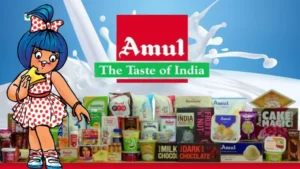
The iconic “Utterly Butterly Delicious” campaign, combined with decades of consistent messaging, has built deep trust. Many Millennials grew up on Amul products, and that familiarity converts into confidence.
Even today, Amul’s communication retains stability. It doesn’t overcomplicate. It informs. It reassures.
In a world of constant change, familiarity feels premium.
How does Amul stay culturally relevant for Gen Z?
This is where Amul shines.
Long before memes took over the internet, Amul was already creating topical, witty creatives on current events. Those quick, clever ads have moved into the social media age without losing their voice.
For Gen Z, this works. Amul’s content:
- Is timely and relevant
- Uses humour effectively
- Feels native to internet culture
It doesn’t imitate Gen Z slang awkwardly. It communicates in a tone that feels natural and intelligent. Most legacy brands struggle with younger audiences because they either resist change or overcompensate. Amul does neither. It stays aware.
Why does Amul work for Gen Alpha too?
For Gen Alpha, brand recall works differently.
They aren’t moved by legacy or history. They respond to visuals, repetition and simplicity.
Amul’s visual identity, especially the Amul girl mascot, plays a real role here. The packaging is consistent. The colours are recognisable. The messaging is easy to process.
Even a child who can’t read can identify the brand. That recall isn’t accidental. It is the result of disciplined branding over decades.
The core lesson: adapt expression, not identity
One of the biggest mistakes brands make is assuming they need to reinvent themselves for every generation. Amul shows the opposite.
The brand has stayed fundamentally the same, while adapting:
- How it communicates
- Where it communicates
- And in what format
That distinction is the whole game. Platforms and preferences change, but a strong brand identity provides continuity.
What is a practical framework for marketers in India?
Instead of building entirely different strategies for each generation, adapt three elements:
1. Format
- Millennials → Long-form blogs, YouTube videos, detailed content
- Gen Z → Short-form videos, memes, creator collaborations
- Gen Alpha → Interactive content, gamified experiences
2. Tone
- Millennials → Informative, reassuring, structured
- Gen Z → Casual, witty, authentic
- Gen Alpha → Fun, simple, visually engaging
3. Platform
- Millennials → YouTube, LinkedIn
- Gen Z → Instagram, Snapchat
- Gen Alpha → YouTube Kids, gaming ecosystems
From visibility to meaning
The rules of marketing have changed. It is no longer about reaching the largest possible audience with one message. It is about connecting meaningfully with different audiences in ways that resonate.
The brands that win aren’t the loudest. They are the ones that listen best.
So instead of asking “How do we market to everyone?”, the better question is: “How do we matter to each generation?”
In a fragmented, fast-moving world, relevance isn’t given. It’s earned.
FAQs about marketing to Millennials, Gen Z and Gen Alpha in India
Why do Millennials, Gen Z and Gen Alpha need different marketing strategies?
Each generation consumes content in a different way. A 2023 Deloitte report shows over 65% of Gen Z prefer short-form, fast-paced content, while Millennials still engage with long-form, informational formats. Gen Alpha expects interactive, gamified experiences. A single ad or format cannot speak to all three at once.
What makes Gen Z trust a brand in India?
Gen Z trusts brands that feel authentic, humorous and creator-led. A Morning Consult report found that Gen Z trusts influencers almost as much as their friends for purchase decisions. Over-polished, scripted advertising tends to put them off within seconds.
Why is Amul a good example of multi-generational marketing?
Amul hasn’t reinvented itself, it has adapted its expression. Millennials remember the “Utterly Butterly Delicious” campaign and trust the brand’s stability. Gen Z connects with Amul’s topical, meme-like creatives. Gen Alpha recognises the mascot, colours and packaging before they can read.
Which platforms work best for each generation in India?
Millennials spend more time on YouTube and LinkedIn, where long-form and informational content fits. Gen Z leans heavily on Instagram and Snapchat, driven by Reels, Stories and creator collaborations. Gen Alpha lives on YouTube Kids and gaming ecosystems, where visuals and interactivity lead.
How can marketers apply all this without losing brand identity?
Keep identity constant, but adapt format, tone and platform. That means the same brand values and visual language, delivered as detailed blogs and videos for Millennials, as short-form and meme-led content for Gen Z, and as bright, interactive formats for Gen Alpha. Consistency plus context is what compounds over time.