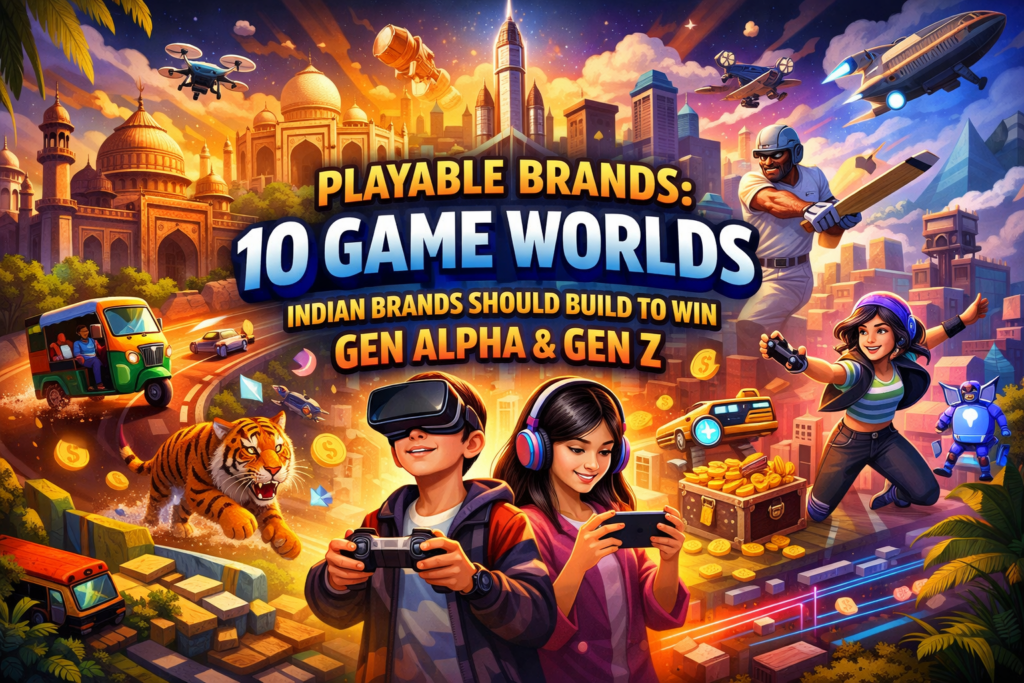
Short answer: India has 570+ million gamers, 650+ million smartphone users, and over 40% of its population sits in Gen Alpha and Gen Z. Indian brands that build playable, IP-led game worlds, from Chhota Bheem to Cricket Champions, can move from fleeting ad impressions to hours of active engagement and real-world commerce.
Why is the future of engagement interactive?
A few months ago, I watched my eight-year-old cousin spend an entire afternoon switching between cartoons and mobile games. What struck me was not the screen time. It was the easy shift between watching a character and wanting to become part of their world. “I wish I could play inside this show,” she said. That one line captures where entertainment and brand engagement are heading.
India is going through a quiet shift from passive consumption to active participation. Young audiences no longer want to just watch stories. They want to interact with them. That creates an opening for Indian brands to move past traditional ads and build immersive experiences.
Inspired by moves like Netflix’s expansion into kids’ gaming, Indian brands can use culturally familiar intellectual properties (IPs) to engage Gen Alpha (born after 2010) and Gen Z in ways that stick.
How big is the gaming opportunity in India?
India’s demographics and digital infrastructure make it one of the most promising markets for interactive brand experiences.
Key market insights
- 570+ million gamers, making India the second-largest gaming market globally.
- 650+ million smartphone users, powering a strong mobile-first ecosystem.
- Gen Alpha and Gen Z together account for over 40% of India’s population.
- The Indian gaming market, currently valued at $5–6 billion, is projected to surpass $10 billion by the early 2030s, growing at a double-digit CAGR.
- Indian gamers spend an average of 8–9 hours per week playing games, giving brands rare engagement time.

Industry reports from NASSCOM and KPMG show gaming in India shifting from a niche hobby to a mainstream cultural phenomenon. For brands, that means a move from impressions to interactions, with time spent becoming the new metric of success.
Why does IP-led gaming work for brands?
Children and young audiences form strong emotional bonds with familiar characters. Those bonds turn into trust, loyalty, and brand affinity. When brands sit inside beloved story worlds, they become part of daily life, not a disruption.
Benefits for brands
- Long-term brand affinity: Repeated interaction builds emotional connection.
- Stronger engagement: Games invite active play, not passive viewing.
- Safe, trusted environments: Ad-free, child-friendly ecosystems win over parents.
- Phygital commerce: Digital engagement can trigger real-world purchases.
- Cultural relevance: Localised storytelling makes the brand feel native, not imported.
IP-led gaming turns brands from advertisers into experience creators.
Which 10 game worlds should Indian brands collaborate on?
1. Chhota Bheem: Adventures in Dholakpur
Based on: Chhota Bheem
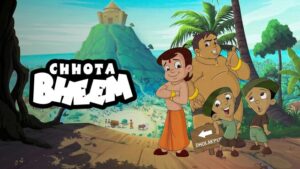
Game type: Action-adventure with puzzle elements.
Brand integration: FMCG and nutrition brands can offer energy boosters or healthy snacks as in-game rewards.
Why it works: Huge recognition in urban and rural India, with a character that stands for strength, friendship, and cultural values.
2. Motu Patlu: Mission Furfuri Nagar
Based on: Motu Patlu

Game type: Endless runner with humorous mini-games.
Brand integration: QSR and food brands can add collectibles like samosas or meal combos.
Why it works: The duo’s comic appeal keeps young audiences hooked.
3. Little Singham: Junior Police Academy
Based on: Little Singham

Game type: Mission-based role-playing game.
Brand integration: BFSI companies and government initiatives can build modules on safety, responsibility, and civic awareness.
Why it works: Aspirational heroism and value-led storytelling.
4. Mighty Little Bheem: Jungle Treasure Hunt
Based on: Mighty Little Bheem

Game type: Exploration and puzzle adventure.
Brand integration: Dairy and wellness brands can tie in themes of strength and vitality.
Why it works: A globally recognised Netflix original with strong Indian roots.
5. Peppa Pig: Indian Festival Fun
Based on: Peppa Pig
Game type: Creative mini-games built around Indian festivals.
Brand integration: Apparel, home decor, and FMCG brands can sponsor activities like rangoli creation or diya decoration.
Why it works: Combines global familiarity with local cultural relevance.
6. Sesame Street: Learn with India
Based on: Sesame Street
Game type: Educational quizzes and storytelling.
Brand integration: Edtech and financial literacy brands can sponsor learning modules.
Why it works: Strong parental trust and a focus on early childhood education.
7. StoryBots: STEM Adventures in India
Based on: Ask the StoryBots
Game type: STEM-focused educational challenges.
Brand integration: Tech and telecom brands can promote innovation and digital literacy.
Why it works: Parents want educational value along with entertainment.
8. Rangoli & Art Studio
Game type: Creative sandbox inspired by Indian art and traditions.
Brand integration: Paint, decor, and craft brands can supply customisable design elements.
Why it works: Celebrates creativity and India’s cultural heritage.
9. Indian Railways Adventure
Game type: Simulation and exploration across Indian cities.
Brand integration: Travel, fintech, and telecom brands can sponsor destinations and journeys.
Why it works: Train travel is a universally relatable Indian experience, full of nostalgia and discovery.
10. Cricket Champions: Street to Stadium
Game type: Casual sports progression game.
Brand integration: Sportswear, beverage, and fintech brands can sponsor teams, gear, and tournaments.
Why it works: Cricket is woven into Indian culture, with mass appeal across generations.
How can Indian brands use these game worlds?
In-game brand integrations
Brands can add virtual products, collectibles, and branded environments that support gameplay rather than interrupt it. Reward systems linked to real-world purchases keep users coming back.
Phygital commerce
Games can unlock discount coupons, loyalty points, or exclusive merchandise, connecting digital play with offline sales.
Educational positioning
Tying in themes like financial literacy, sustainability, and health builds trust with parents and adds real value.
Regional localisation
Offering Hindi, Tamil, Telugu, Bengali, and Marathi ensures access across India. Weaving in regional festivals and traditions deepens cultural fit.
OTT platform partnerships
Collaborations with platforms like Netflix let brands tap into ready storytelling ecosystems and large engaged audiences.
What is the strategic advantage for brands?
| Metric | Traditional advertising | Game-based engagement |
| Consumer interaction | Passive | Active |
| Time spent | Seconds | Minutes/Hours |
| Emotional connection | Limited | Deep |
| Brand recall | Short-term | Long-term |
| Monetisation | Indirect | Phygital opportunities |
The comparison shows why gaming is a shift in marketing strategy, not a tactic. Instead of fleeting impressions, brands can build lasting relationships.
Why is now the time to act?
- Untapped white space: Few Indian brands have invested in proprietary gaming ecosystems.
- Youth demographics: Gen Alpha and Gen Z will shape consumption for decades.
- Mobile-first infrastructure: India’s digital ecosystem enables scalable distribution.
- Cultural storytelling: Local narratives offer a strong competitive edge.
- First-mover benefit: Early movers can lock in long-term loyalty.
From advertisers to experience creators
Thinking back to my cousin’s wish to “play inside a show,” it becomes clear that the future of engagement sits in interactive storytelling. Brands that lean into this shift will not only capture attention, they will earn participation and loyalty.
As marketing evolves, the line between entertainment and branding will keep blurring. The brands that win will be the ones that create worlds, not campaigns.
In a world where attention is scarce, interaction is the new currency.
For Indian brands, gaming is no longer an experimental channel. It is a strategic imperative. By investing in culturally rooted, IP-led game worlds, companies can build meaningful relationships with Gen Alpha and Gen Z and shape brand perception for years.
The question is no longer whether brands should enter the gaming space, but how quickly they can begin.
The future belongs to playable brands. Are you ready to press “Start”?
FAQs about playable brands and Indian gaming
How many gamers does India have?
India has 570+ million gamers, which makes it the second-largest gaming market globally. It also has 650+ million smartphone users, which supports a strong mobile-first gaming ecosystem.
Why should Indian brands build playable game worlds?
Playable game worlds move brands from fleeting ad impressions to minutes or hours of active engagement. They build emotional connection, encourage phygital commerce, and lock in long-term brand affinity with Gen Alpha and Gen Z.
Which Indian IPs are best for brand-led games?
Strong picks include Chhota Bheem, Motu Patlu, Little Singham, Mighty Little Bheem, Peppa Pig with an Indian twist, Sesame Street, StoryBots, and original worlds like Rangoli and Art Studio, Indian Railways Adventure, and Cricket Champions.
How big is the Indian gaming market?
The Indian gaming market is currently valued at $5–6 billion and is projected to surpass $10 billion by the early 2030s, growing at a double-digit CAGR.
How much time do Indian gamers spend playing?
Indian gamers spend an average of 8 to 9 hours per week playing games, which gives brands significant engagement time compared to traditional advertising formats.