
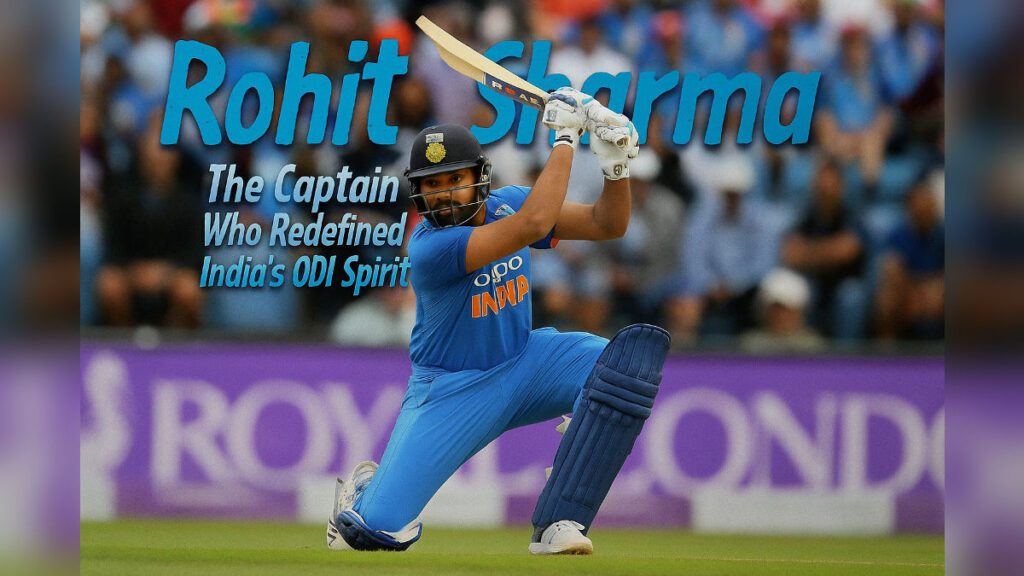
Short answer: Rohit Sharma’s ODI captaincy, which ran from 2017 as a stand-in and officially from 2021, was defined by aggressive top-order intent, faith in young players, and an unbeaten run to the 2023 World Cup final. He did not lift an ICC ODI trophy, but he reshaped India’s white-ball blueprint before stepping aside.
In modern Indian cricket, Rohit Sharma’s name sits among the finest white-ball batters and the captains who carried expectation with a steady hand. Known worldwide as the “Hitman” for his stroke play and monumental ODI innings, Sharma’s tenure as India’s ODI captain was a chapter of transition, bold intent, and quiet leadership. With his retirement from the role, fans now look back on a journey filled with triumphs, heartbreaks, and unforgettable memories. It was about crafting a team identity that resonated with both players and millions of supporters.
How did Rohit Sharma’s leadership journey begin?
Rohit Sharma’s leadership skills didn’t emerge overnight. Long before he became India’s official ODI captain, he was tested in smaller assignments. His first taste came in 2017, when he stood in for Virat Kohli against Sri Lanka. India won the series comfortably, and Sharma’s calm yet attacking style caught attention.
The stint showcased qualities every great leader needs: composure under pressure, the ability to back his players, and tactical flexibility. Sharma often spoke of learning from MS Dhoni and Virat Kohli, and those influences shaped his approach. Dhoni’s calmness and Kohli’s aggression blended into his own voice.
By 2021, with Virat stepping down, Rohit officially became India’s ODI captain. What followed was a new era of balance, experimentation, and intent.
How did Rohit Sharma build a balanced ODI team?
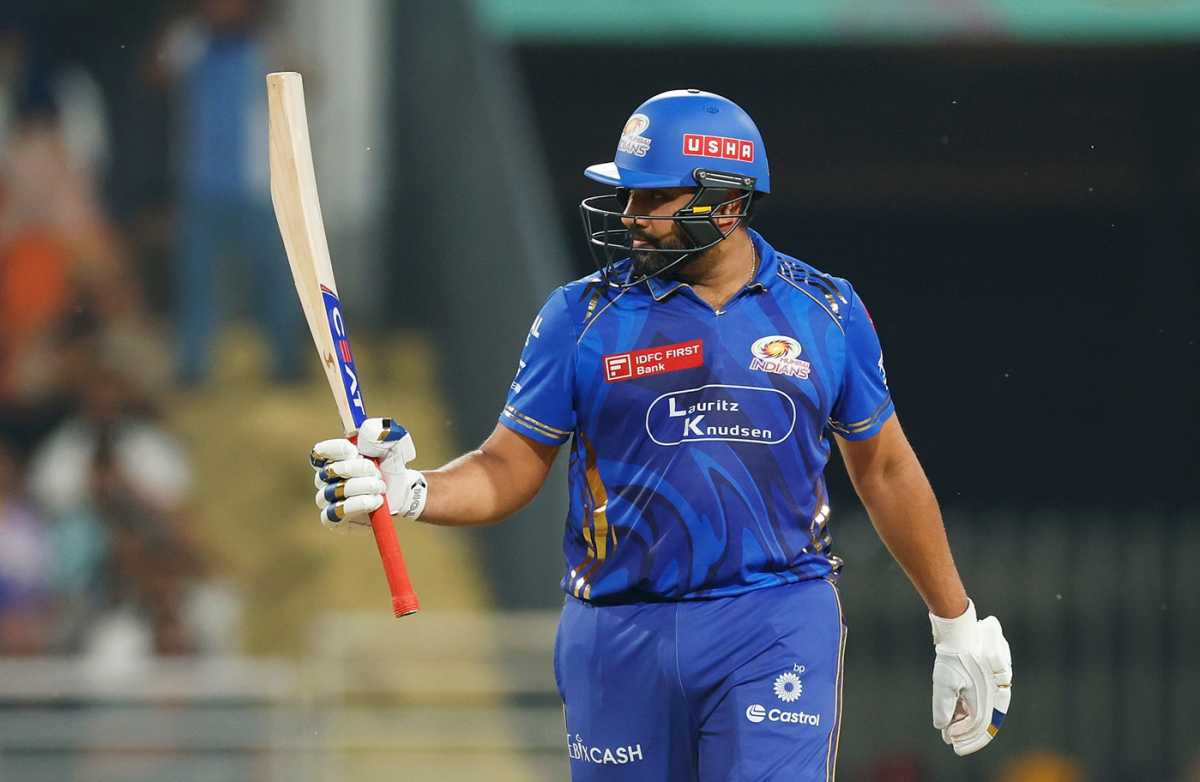
One of Rohit Sharma’s most underrated contributions was how he balanced experience with youth. He respected the veterans. Virat Kohli, Shikhar Dhawan, and KL Rahul remained vital cogs. He was also quick to recognise the hunger in youngsters like Shubman Gill, Ishan Kishan, and Shreyas Iyer.
Rohit’s message was clear: no matter your age or status, performance and intent mattered more than reputation. That created a dressing room where younger players felt empowered, and seniors remained motivated.
His understanding of bowlers was equally sharp. Under his captaincy, Jasprit Bumrah was trusted as the strike weapon, Mohammed Siraj was given space to mature, and the spin pair of Kuldeep Yadav and Yuzvendra Chahal regained confidence after periods of inconsistency. His willingness to rotate, experiment, and back bowlers made India a more dynamic ODI side.
What were the biggest highs of Rohit Sharma’s ODI captaincy?
Asia Cup 2018 triumph
When Rohit led a second-string Indian team in the Asia Cup 2018, with Virat Kohli absent, many doubted India’s ability to win. Sharma’s men lifted the trophy in Dubai. His handling of younger batters and rotation of bowlers during crunch matches proved he was not a stand-in but a leader who could guide India to silverware.
Bilateral series dominance
Under Rohit, India recorded dominant home and away series wins. Victories against Australia, England, and West Indies showed he could get the best out of his players regardless of conditions. His mantra was aggression: attack in the first 10 overs with the bat, choke opponents in the middle overs with smart bowling, and finish strong.
2023 ODI World Cup run
The defining chapter of his captaincy was the 2023 ODI World Cup in India. Sharma led from the front and redefined captain’s intent. His explosive batting in the powerplay set the tone in almost every match, putting opponents under pressure early.
India stormed into the final unbeaten, playing fearless cricket throughout. The heartbreaking loss to Australia in Ahmedabad denied him the trophy, but fans and experts agreed that Sharma’s leadership was inspiring. His brand of aggressive, attacking ODI cricket rekindled the country’s love for the format.
What was Rohit Sharma’s leadership style?
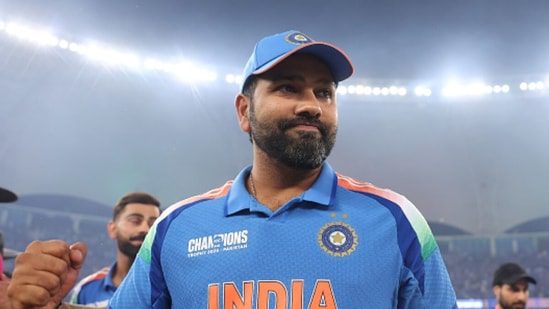
Rohit Sharma’s leadership style deserves its own chapter. He was known as the smiling assassin, calm and approachable on the surface but aggressive in strategy.
Calmness under pressure: Unlike some captains who wear emotions on their sleeves, Sharma rarely looked flustered. His composure helped the team stay focused during tense situations.
Aggressive strategies: His field placements were often bold. He was willing to bring slips in the middle overs, or push bowlers for breakthroughs instead of waiting for mistakes.
Empowering players: The most celebrated part of his style was how he gave youngsters confidence to express themselves. Players often credited him with creating an environment free of fear.
This mix of calm and aggression is why many believe Sharma’s captaincy bridged the gap between Dhoni’s serenity and Kohli’s intensity.
What challenges did Rohit Sharma face as ODI captain?
No captain’s journey is perfect, and Rohit had his share of challenges.
Injuries: Frequent injuries disrupted his availability, forcing India to juggle leadership at times.
ICC trophy drought: Despite impressive campaigns, India failed to clinch an ICC title under his watch. Critics questioned whether Sharma could deliver on the biggest stage.
Balancing workloads: With modern cricket’s demanding schedules, Sharma had to manage player fitness and rest periods, which sometimes led to criticism over selections.
Yet Rohit never shied away from responsibility. In victory or defeat, he stood by his team.
What is Rohit Sharma’s ODI captaincy legacy?
Rohit Sharma’s legacy as an ODI captain will be remembered for four defining pillars:
Fearless intent at the top
He redefined the opener-captain role by leading with attacking starts, often scoring quick 30s and 40s that tilted momentum.Backing youth
His faith in players like Shubman Gill and Mohammed Siraj gave India future stars.Calm leadership
He created a dressing room where pressure was absorbed by him, and freedom was given to others.Almost world champions
The 2023 World Cup ended in heartbreak, but India’s dominant run will remain one of the most memorable campaigns in ODI history.
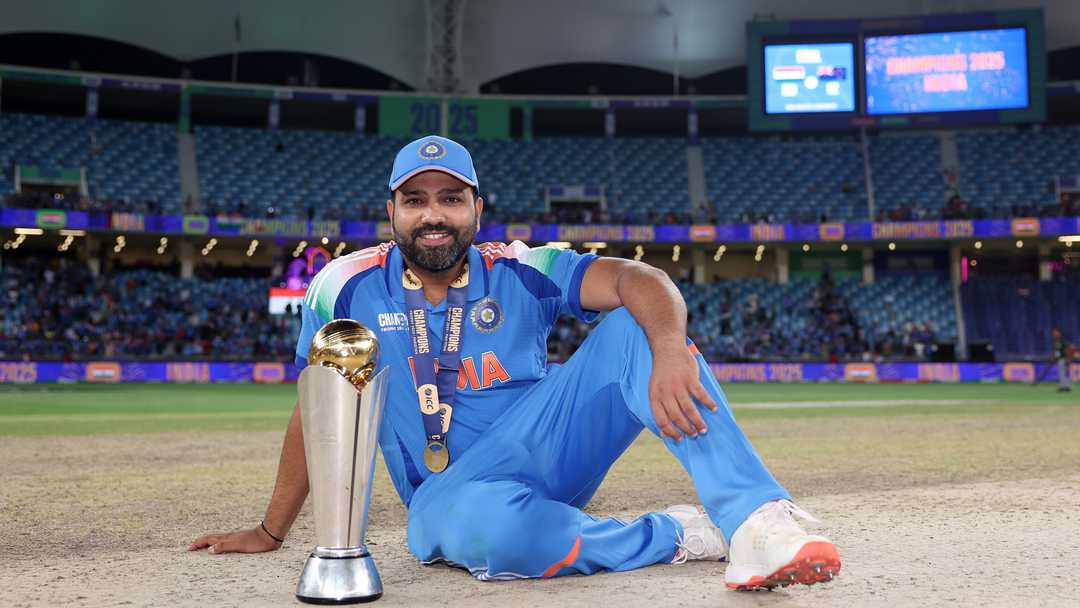
Rohit may not have lifted the ICC ODI trophy as captain, but his leadership laid down a blueprint for the next generation. His contributions go beyond numbers. They live in the mindset he instilled.
A new chapter begins
Rohit Sharma’s ODI captaincy was about transformation as much as results. From being a young stand-in captain in 2017 to leading India in a home World Cup final in 2023, Sharma proved that leadership is about character, trust, and vision.
As he steps aside from the ODI captaincy role, India owes him gratitude for his years of service, his inspirational leadership, and the legacy he leaves behind. Rohit Sharma, the “Hitman,” has shown that even in leadership, timing and temperament make all the difference.
FAQs about Rohit Sharma’s ODI captaincy
When did Rohit Sharma become India’s ODI captain?
Rohit Sharma first led India’s ODI side in 2017 as a stand-in for Virat Kohli against Sri Lanka. He officially took over as full-time ODI captain in 2021 after Kohli stepped down.
Did Rohit Sharma win an ICC trophy as ODI captain?
No. India reached the 2023 ODI World Cup final in Ahmedabad unbeaten but lost to Australia, so Rohit’s ODI captaincy ended without an ICC trophy, though India won the Asia Cup 2018 under his leadership.
How did Rohit Sharma lead India in the 2023 World Cup?
Rohit set the tone with explosive powerplay batting, putting opponents under early pressure. India played fearless cricket and reached the final unbeaten before losing to Australia.
Which young players did Rohit Sharma back as ODI captain?
Rohit gave extended runs to Shubman Gill, Ishan Kishan, Shreyas Iyer, and Mohammed Siraj, and trusted Jasprit Bumrah as his strike bowler while reviving Kuldeep Yadav and Yuzvendra Chahal.
What is Rohit Sharma’s ODI captaincy legacy?
His legacy rests on four pillars: fearless intent at the top, backing youth, calm leadership, and the 2023 World Cup run that rekindled India’s love for ODI cricket.