
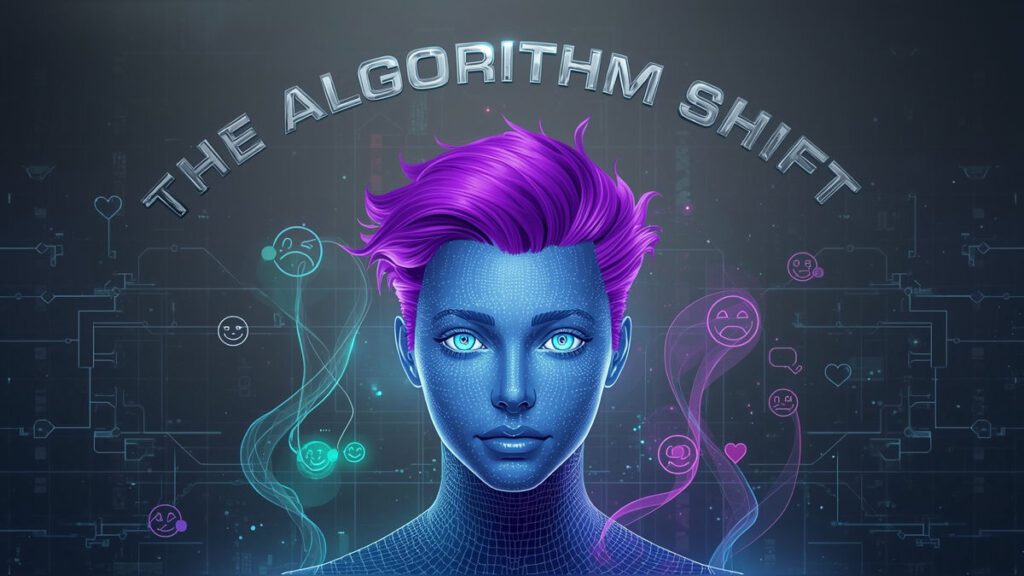
Short answer: The social media algorithm in 2025 has quietly shifted from chasing virality to curating emotion. Instagram, X and TikTok now rank by relevance, patterns and emotional resonance rather than raw engagement. Creators who build trust, story and community win, while AI-generated personas and intentional “algorithm reset” habits are reshaping who sees what.
2025 has quietly reshaped how we scroll, react, and engage online, without most users even realizing it. The biggest platforms, from Instagram to X to TikTok, have rewritten their algorithms not to show you what is most viral, but what is most relevant. The internet is not chasing attention anymore. It is curating emotion.
This is a seismic shift in how digital culture operates. Social media used to be about “going viral.” Now it is about “going personal.” What you see in your feed says less about global trends, and more about you.
Is this the end of the ‘For You’ era?
Remember when the “For You Page” felt unpredictable? Those days are fading. With the introduction of adaptive AI recommendation systems, platforms are now focusing on your patterns, not your preferences.
Instead of pushing whatever is trending, algorithms analyze what kind of content keeps you calm, curious, or inspired. If you interact with mindful creators, your feed becomes slower and more thoughtful. If you crave chaos, it becomes fast-paced and loud. The algorithm now mirrors your mental state.
How are creators feeling the change?
For influencers and creators, this transformation is both exciting and terrifying. Engagement rates are no longer dictated by luck or virality but by relevance quality.
Creators are learning that storytelling and community-building matter more than ever. Posts with strong emotional resonance, a personal story, a relatable insight, an honest moment, outperform polished, clickbait-style content.
We are entering the era of the trust-based algorithm. The more your audience believes in you, the more the platform does too.
Why is the Buzz Economy maturing?
In the Buzzsphere, chaos once ruled. Fast trends, outrageous challenges, and viral stunts dominated for years. Now, users are craving stability. The algorithm has matured with them.
TikTok’s “Vibe Feed,” YouTube’s “Moments,” and Instagram’s “Deep Dive” tabs are pushing longer, calmer, story-driven content. The attention span crisis of the early 2020s has turned into a focus renaissance.
Brands are catching on too. Ad campaigns are built like stories, not sales pitches. A product video that feels like a lifestyle moment performs twice as well as a direct advertisement.
What is AI-generated buzz and why does it work?
One of 2025’s most controversial trends is the rise of AI influencers and synthetic creators. Entire digital personas are being built by companies to promote products or share curated worldviews.
The strange part? Audiences know they are fake, and they still engage. These AI personalities are designed to represent niche emotions: comfort, creativity, rebellion, nostalgia. It is marketing psychology at its most advanced and most surreal.
How are users taking back control?
Despite all this automation, users are finding ways to bend the system. The “algorithm reset” movement is gaining traction. People are deliberately interacting with new types of content to retrain their feeds.
It is a rebellion against passive consumption. Social media in 2025 is not about scrolling anymore. It is about shaping your own digital environment.

What is the future of the Buzzsphere?
The next phase of the Buzzsphere will not be about who shouts the loudest, but who listens the deepest. The internet is finally becoming more intentional, and that might just save our attention spans.
Creators who focus on emotion, empathy, and experience are the ones who will dominate this quieter, smarter wave of buzz. The age of mindless trends is ending. The age of mindful engagement is here.
FAQs about the social media algorithm 2025
How is the social media algorithm different in 2025?
Instagram, X and TikTok now rank by relevance and emotional patterns instead of raw virality. Adaptive AI recommendation systems study what keeps you calm, curious or inspired, and the feed mirrors your mental state more than global trends.
What kind of content performs best on the 2025 algorithm?
Story-driven, emotionally resonant posts win. Personal stories, relatable insights and honest moments outperform polished, clickbait-style content. TikTok’s Vibe Feed, YouTube’s Moments, and Instagram’s Deep Dive tabs all favour longer, calmer pieces.
Are AI influencers really effective in 2025?
Yes. Audiences know many AI personas are synthetic and still engage because they are tuned to niche emotions like comfort, creativity, rebellion and nostalgia. It is one of the most controversial but effective developments of the year.
What is the “algorithm reset” movement?
It is a growing user habit of deliberately interacting with new kinds of content to retrain the feed. Instead of passively scrolling, users are actively shaping what their algorithm shows them.
How should creators adapt to the new algorithm?
Focus on trust, story and community rather than luck. Build series rather than one-off hits, prioritise emotional resonance, and treat each post as a chance to deepen audience relationships, because the more your audience believes in you, the more the platform does too.