Short answer: The burnout generation is Gen Z and millennials buckling under hustle culture. The WHO recognised burnout as an occupational syndrome in 2019, and by 2025 it has spread beyond work. The fix is treating rest, sleep, boundaries, and digital detox as the new productivity, backed by companies like Google and Salesforce running mindfulness programs.
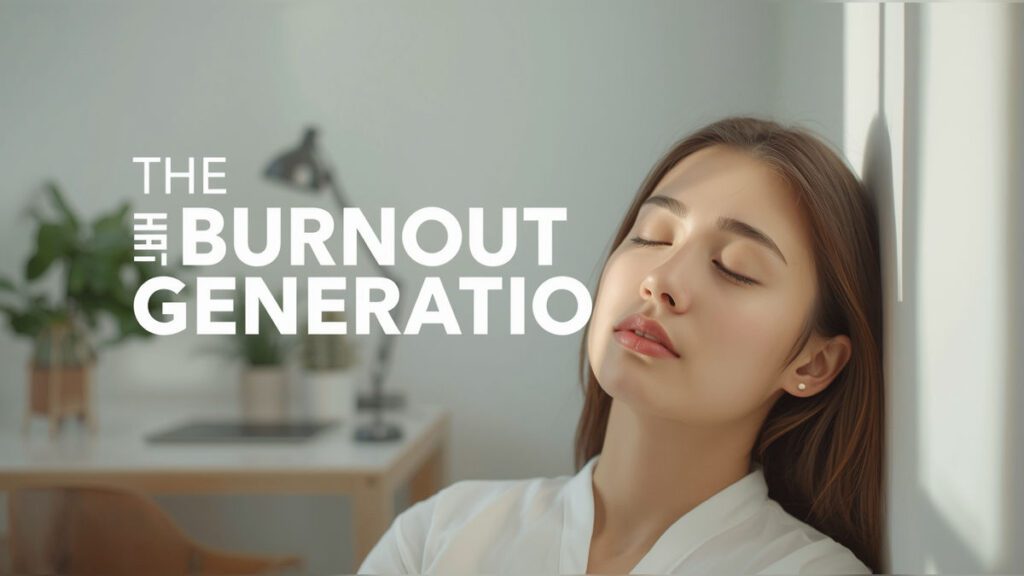
We live in an age where doing more is celebrated: more hours, more hustle, more output. Behind the glowing screens and endless to-do lists, a quiet crisis is spreading. Burnout is now the defining condition of the modern worker, especially among Gen Z and millennials who grew up believing passion and productivity must always coexist.
The irony is clear. The more we chase productivity, the more it escapes us. We have confused being busy with being effective. An entire generation is learning the hard way that rest is not a reward. It is a requirement.
Who is the burnout generation?
In 2019, the World Health Organization officially recognised burnout as an occupational syndrome caused by chronic workplace stress. By 2025, it is no longer limited to work. Digital burnout, creative exhaustion, and emotional fatigue have taken over every corner of life.
From freelancers to full-time employees, creators to students, everyone is feeling the weight of constant connection. We wake up to notifications, chase deadlines all day, and fall asleep scrolling through lives that look more productive than ours.
The cost of this constant stimulation: attention fragmentation, chronic fatigue, and a slow erosion of joy.
Why did hustle culture fail?
Hustle culture promised glory with “grind now, shine later” and delivered exhaustion. It romanticised sleepless nights, glorified stress, and treated burnout as proof of ambition.
As mental health awareness grows, that culture is collapsing. People are recognising that working endlessly is not the same as working smart. The new generation defines success not by how fast they move but by how balanced they feel.
Instead of “rise and grind,” the motto of the new wellbeing era is “rest and rise.”

What does the science say about rest and recovery?
Neuroscience backs this shift. Research shows the brain’s creativity and problem-solving abilities peak during periods of rest, not during nonstop work. Downtime allows for memory consolidation, emotional regulation, and the “default mode network,” the part of the brain responsible for imagination and insight.
Rest is not passive. It is active recovery. Muscles grow during rest after exercise, and the mind strengthens after mental pauses.
Even short breaks, like a 10-minute walk or an hour of silence, can reduce cortisol (the stress hormone) and sharply boost focus.
How does the digital detox movement work?
Technology has created a 24/7 feedback loop of distraction. The average person spends over 7 hours per day on screens. Most of us are never truly “off.”
The digital detox movement began as weekend retreats and has grown into a global wellbeing strategy. From “No-Screen Sundays” to phone-free bedrooms, people are reclaiming attention as self-care.
Apps like Freedom, One Sec, and Space are designed to help us log off. Mental clarity is not found in more notifications. It is found in silence.
Why is mindfulness the antidote to overload?
Mindfulness is more than meditation. It is a mindset of being fully present in the moment instead of mentally multitasking between the past and the future.
Practices like mindful breathing, journaling, or mindful eating slow the nervous system. They reconnect you to your senses, which modern life constantly pulls you away from.
Companies like Google and Salesforce now include mindfulness programs as part of employee wellness. The result: reduced burnout, sharper focus, and more compassionate communication.
Mindfulness does not only improve productivity. It restores humanity to the workplace.

What role does sleep play in success?
For years, sleep was treated as optional, a luxury sacrificed on the altar of ambition. Science has flipped that narrative.
Sleep is the foundation of cognitive performance. During deep sleep, the brain clears toxins, consolidates learning, and resets emotional balance. Losing sleep even for a few nights impairs judgment, weakens memory, and raises stress hormones.
Elite performers, from athletes to CEOs, now prioritise sleep as seriously as training or meetings. Rest is not the opposite of productivity. It is what sustains it.
How is work-life balance being redefined?
Work-life balance is not about splitting time evenly. It is about aligning energy meaningfully, building a rhythm between exertion and recovery.
This new balance requires boundaries: clear limits on availability, emails off after work hours, and downtime scheduled like meetings.
Some organisations are experimenting with “wellness sabbaticals” or “mental reset weeks.” The message is that burnout is not a personal failure, it is a systemic flaw. The fix lies in redefining the systems we live and work in.
From self-care to collective care
The wellbeing conversation is expanding beyond individual responsibility. Telling people to meditate or take breaks is not enough if workplaces, schools, and industries continue to glorify exhaustion.
Real wellbeing is collective: companies providing flexibility, schools teaching emotional intelligence, leaders modelling rest without guilt. A culture where slowing down is smart, not shameful.
When rest becomes normalised, resilience follows.
FAQs on the burnout generation
What is the burnout generation?
It refers to Gen Z and millennials hit hardest by chronic workplace and digital exhaustion. The WHO classified burnout as an occupational syndrome in 2019, and by 2025 it extends into creative, emotional, and digital fatigue far beyond the office.
Is rest really more productive than hustle?
Yes. Neuroscience shows the brain’s creativity and problem-solving peak during rest through memory consolidation, emotional regulation, and the “default mode network.” Short breaks like a 10-minute walk cut cortisol and improve focus.
What is a digital detox and does it work?
A digital detox is a deliberate break from screens, from phone-free bedrooms to “No-Screen Sundays.” With the average person on screens over 7 hours a day, tools like Freedom, One Sec, and Space help people log off and recover attention.
How much sleep do I actually need?
Most adults function best on a consistent seven to nine hours. Deep sleep is when the brain clears toxins, consolidates learning, and resets emotional balance, which is why elite athletes and CEOs now treat sleep as seriously as training.
How can workplaces fight burnout?
By making rest collective, not individual. That means flexible hours, clear off-hours boundaries, mindfulness programs like Google and Salesforce run, and experiments such as wellness sabbaticals or mental reset weeks.