
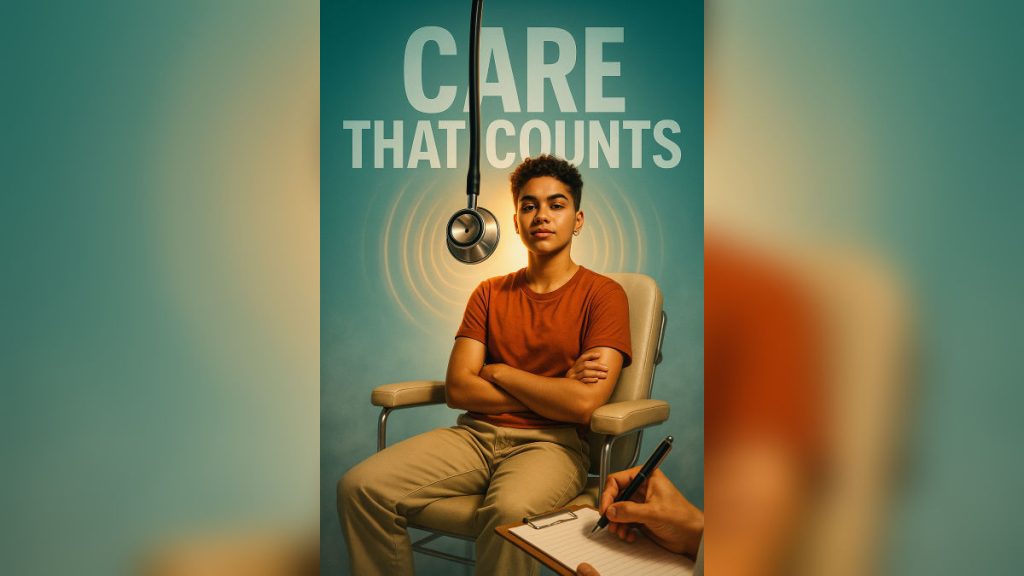
Short answer: To find a doctor who actually listens, get clear on the bedside manner you want, ask friends and your GP for referrals, then cross-check on Practo, Vosita, Healthgrades, Zocdoc and Google Reviews. Treat the first appointment as a vibe check. Eye contact, follow-up questions and zero shaming are the basics. If it’s off, switch.
Walking into a clinic in India can feel intimidating. Especially for Gen Z, a generation that values openness, empathy and shared decision-making. Whether you’re managing chronic pain, struggling with mental health, or just need someone to really hear you out when you say “I’m not okay,” finding a doctor who listens changes everything.
For loads of young adults here, healthcare feels transactional. You walk in, rattle off symptoms, get a prescription in under five minutes, walk out unseen. But here’s the truth. You deserve more than that.
So let’s break down how you actually find a doctor who listens, and why it matters now more than ever.
Why does listening matter so much in healthcare?
We tend to associate doctors with knowledge and credentials. But good healthcare isn’t about degrees alone, it’s about human connection.
According to a study in The Journal of General Internal Medicine, patients whose doctors actively listen are more likely to stick with their treatment plans and report higher satisfaction with their care. Rushed consultations and poor communication, on the other hand, are tied to misdiagnoses, anxiety and a quiet erosion of trust.
As Rhea, a 22-year-old student in Pune, puts it: “I went to a doctor for my anxiety, and he told me to just ‘sleep more’ and ‘stop overthinking.’ I left feeling dismissed, not healed.”
Which is the point. Listening isn’t a nice-to-have. It’s the foundation.
Step 1: Know what you actually want in a doctor
Before you start the search, pause and reflect. Ask yourself:
- Do I prefer someone calm and nurturing, or someone direct and matter-of-fact?
- Am I looking for a specialist, or a general physician who knows my history?
- Do I need a doctor who takes mental health concerns as seriously as physical symptoms?
- Would I feel more comfortable with a male, female or non-binary doctor?
- Can I speak openly about sensitive topics with them?
Make a quick list of the qualities that genuinely matter to you. That bit of clarity helps you spot red flags early, and it stops you from optimising for the wrong things (clinic distance, fee).
Tip: prioritise communication style, empathy and openness to questions, not just clinic proximity or fees.
Step 2: Ask around. Referrals still matter.
In a world dominated by Google searches, don’t underestimate the power of a good ol’ word-of-mouth recommendation.
Start by asking friends, family or even your college counsellor. Hearing about someone else’s positive experience with a doctor who listens can save you weeks of frustration. And if you already have a GP you trust, ask them for referrals when you need a specialist, doctors usually know which of their peers are actually patient.
Step 3: Use digital platforms wisely
Let’s face it, Gen Z is online. From food orders to therapy, everything happens with a tap. Doctors should be no different.
A few platforms worth a look:
- Practo (widely used across India)
- Vosita
- Healthgrades
- Zocdoc
- Google Reviews
These often let you filter by gender, specialty, clinic timings, languages spoken and insurance coverage. More usefully, they surface real patient reviews, which is where you get a feel for bedside manner.
When reading reviews, look for patterns. Does the doctor consistently get praised for listening patiently? Or do multiple people mention feeling rushed and unheard? One angry review is noise. Twenty saying the same thing isn’t.
Reminder: take any single review with a grain of salt. Recurring feedback is the signal.
Step 4: Treat the first appointment as a vibe check
Your initial consultation is more than a diagnosis. It’s a vibe check, plain and simple.
Notice:
- Do they make eye contact?
- Do they interrupt you, or let you finish?
- Do they ask clarifying questions, or rush to conclusions?
- Do they explain your condition in plain language?
- Do they invite your input on treatment?
Arjun, a 19-year-old engineering student from Hyderabad, recalls: “One doctor literally Googled my symptoms while I was sitting there. The next one drew diagrams, asked about my sleep, stress levels, and didn’t shame me for asking too many questions. I chose the second one.”
That’s what you deserve. A doctor who treats you as a partner, not a file number.
Step 5: Don’t hesitate to move on
Sometimes, even after research and recommendations, the doctor you picked just isn’t the right fit. And that’s okay.
If you leave the clinic feeling dismissed, judged or confused, you have every right to seek a second opinion or switch altogether.
In India, there’s often a cultural hesitation to challenge authority, especially with figures like doctors. But your health is yours. You’re not being disrespectful or difficult, you’re advocating for yourself.
As Dr. Meera Joshi, a general physician in Mumbai, puts it: “Just because a doctor is experienced doesn’t mean they understand you. Gen Z is teaching the medical world the importance of active listening, and we need to keep up.”
Bonus: red flags to watch for
If you notice these behaviours, look elsewhere:
- Brushing off your symptoms as “just stress”
- Using overly technical jargon without explaining it
- Dismissing mental health concerns
- Showing impatience when you ask questions
- Making you feel judged or shamed about your body, lifestyle or identity
Good doctors aren’t only medically competent. They’re emotionally intelligent too.
Final thoughts: you deserve to be heard
Finding a doctor who listens isn’t about convenience. It’s about dignity, trust and healing.
For Gen Z, wellness goes beyond a prescription pad, it’s about meaningful dialogue, holistic care, and being treated as a whole person rather than a patient number on a file.
So whether you’re dealing with acne, anxiety or anything in between, remember this: you are the expert of your own body. And you deserve a doctor who respects that.
FAQs about finding a doctor who listens
How do I know if a doctor is actually listening to me?
Watch for eye contact, whether they let you finish your sentences, and whether they ask follow-up questions instead of jumping to conclusions. A doctor who explains your condition in plain language and invites your input on treatment is genuinely listening.
What should I do if my doctor dismisses my mental health concerns?
Trust that instinct and seek a second opinion. As Rhea, a 22-year-old student in Pune, found, being told to just “sleep more” or “stop overthinking” isn’t care. Switching doctors isn’t disrespectful, it’s self-advocacy.
Which platforms are best for finding doctors in India who actually listen?
Practo is the most widely used in India, but Vosita, Healthgrades, Zocdoc and Google Reviews all let you filter by specialty, languages and gender, and read patient reviews. Look for recurring feedback about patience and clear communication.
Is it okay to switch doctors after one appointment?
Yes. If your first appointment leaves you feeling dismissed, judged or confused, you have every right to switch. Treat the first visit as a vibe check, your health is yours, and finding the right fit matters more than sticking with the first option out of politeness.