


Short answer: The cities of tomorrow will run on data, renewable energy, and human-centred design. Expect 15-minute neighbourhoods, AI-managed infrastructure, vertical farms, rewilded green spaces, and inclusive housing, led by places like Singapore, Seoul, Paris, Pune, and Surat.
Cities have always been living organisms, growing and adapting with each generation. The cities of tomorrow won’t just be bigger or smarter; they’ll be fundamentally different. Powered by data, designed for sustainability, and driven by inclusivity, the urban revolution of the next few decades will redefine how we live, work, and connect.
From floating neighbourhoods to AI-managed infrastructure, the city is no longer a place alone. It’s an ecosystem of technology, design, and human experience.
What makes a smart city smart?
The first major shift is digital. Smart cities use data to make urban living more efficient and sustainable. Sensors track traffic flow, AI manages electricity usage, and digital twins, virtual replicas of real cities, help planners test solutions before anything gets built.
Singapore and Seoul already lead this transformation, integrating AI into traffic systems and public services. In India, Pune and Surat are adopting IoT-driven waste management systems and smart lighting.
Smart doesn’t only mean high-tech. The goal is human-centered innovation, using technology to serve people, not the other way around.
How is sustainable architecture reshaping cities?
As climate change accelerates, future cities must balance growth with ecology. Green buildings that generate their own energy, vertical gardens that clean air, and carbon-neutral districts are moving to the centre of urban planning.
Architects are experimenting with materials that heal themselves or absorb CO₂. Bioconcrete contains bacteria that repair cracks. Algae façades produce oxygen and biofuel.
The vision is clear: buildings that don’t harm the planet but help heal it. Cities of tomorrow will breathe, not just exist.
What is a 15-minute city?
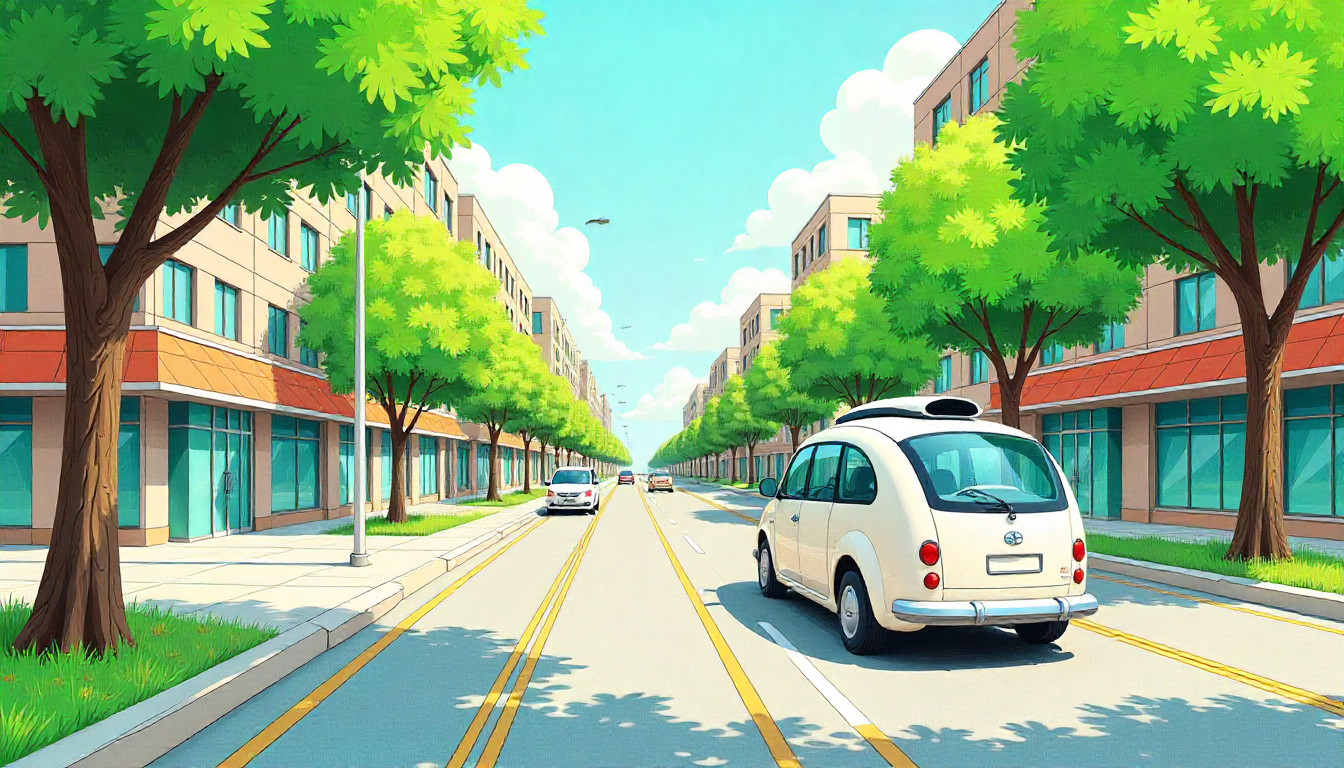
Imagine living somewhere everything you need (work, groceries, healthcare, recreation) is within a 15-minute walk or bike ride. This is the 15-minute city, a concept pioneered by urbanist Carlos Moreno.
It’s a practical rethinking of urban life that reduces traffic, improves mental health, and boosts community interaction. Paris is already redesigning districts around this idea. Melbourne and Portland are following suit.
The 15-minute model represents a return to proximity, a lifestyle where convenience aligns with sustainability.
How will AI and automation reshape the urban workforce?
Automation is already reshaping cities, from driverless buses to AI customer service in government offices. What does this mean for jobs?
The cities of tomorrow will see a shift from repetitive tasks to creative, technical, and human-centred roles. Education systems will adapt, emphasising design thinking, data literacy, and emotional intelligence.
AI will also become an invisible civic companion: predicting power outages before they happen, managing waste efficiently, and monitoring air quality in real time.
The urban worker of the future won’t only be tech-savvy. They’ll be adaptable, collaborative, and emotionally intelligent.
How will public transport change?
Traffic congestion has long been the curse of modern cities. The future solution lies not in adding more roads but in rethinking mobility altogether.
Hyperloop systems, flying taxis, and AI-guided electric buses are no longer prototypes alone. Tesla, Virgin, and Hyundai are investing heavily in autonomous transport ecosystems.
Micromobility will also dominate. Electric scooters, shared bikes, and compact EVs will fill the gap between public transport and private ownership.
The real challenge isn’t innovation. It’s integration, creating systems that connect effortlessly, reducing both emissions and stress.
What will the future of urban energy look like?
Urban power grids are transforming from centralised giants into decentralised, renewable networks. Rooftop solar panels, urban wind turbines, and geothermal energy will supply entire districts.
Battery technology will advance to make cities energy-resilient, even during peak demand or natural disasters. The concept of energy sharing, where neighbours trade surplus electricity through blockchain, is already being tested in parts of Europe.
The future city will not only consume energy but produce, store, and distribute it sustainably.
How will cities grow their own food?
With population density rising, traditional agriculture can’t keep up. The cities of tomorrow will grow food inside themselves. Vertical farms, hydroponics, and rooftop gardens will feed millions without consuming extra land.
Singapore already grows 30% of its vegetables indoors using LED-based farms. Dubai’s vertical desert farms use minimal water while producing fresh crops year-round.
Local food production means fresher diets, lower transport emissions, and healthier communities. The farm-to-fork distance might soon be just a few blocks.
Who owns citizen data in smart cities?
In the smart city era, citizens generate vast amounts of data, from traffic cameras to health sensors. Who owns that data, and how is it used?
The ethical layer of urban innovation matters. Cities must protect privacy while ensuring transparency. Estonia’s e-governance model is a strong example: citizens control access to their personal data through a single digital ID system.
The cities of tomorrow must be trust-based, technologically advanced yet deeply ethical, so every byte of innovation serves people fairly.
Can we bring nature back into cities?
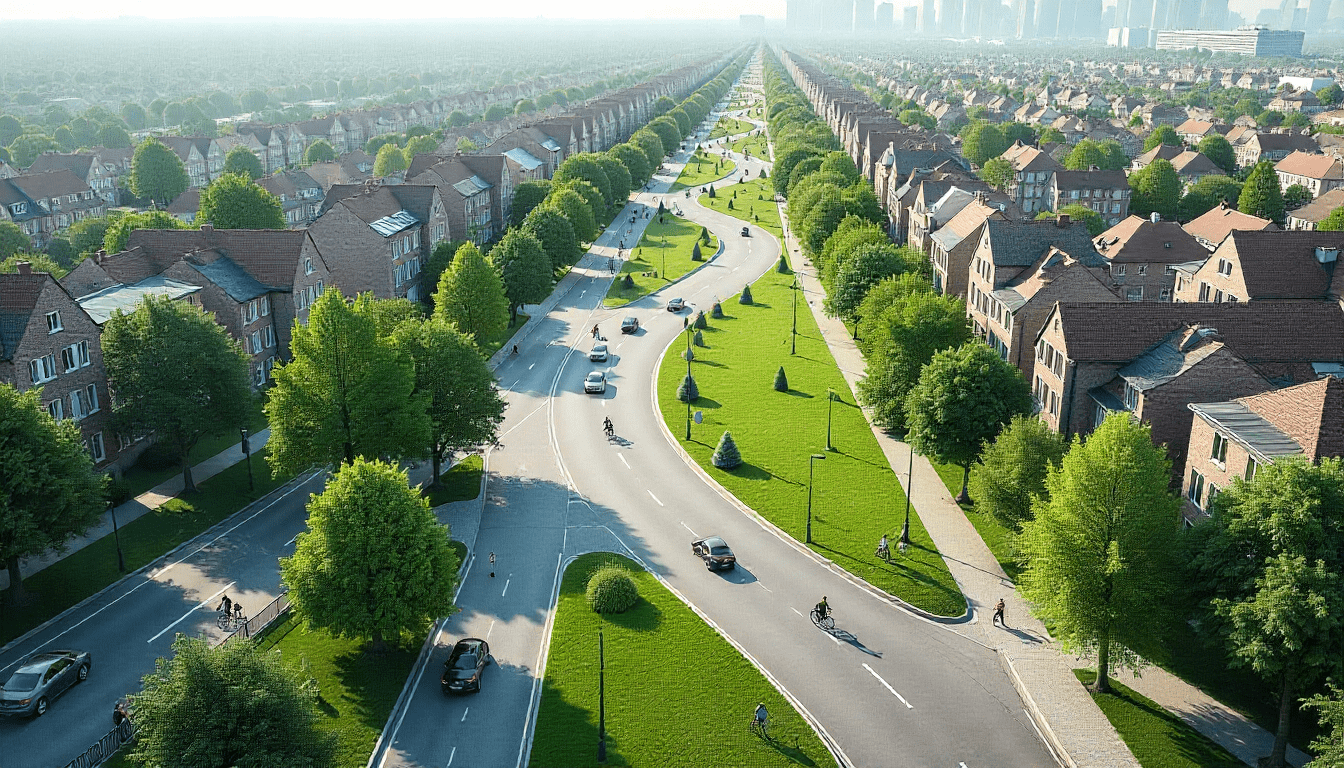
Beyond tech and transport, a quieter revolution is taking place: bringing nature back to cities. Rewilding urban areas means restoring rivers, creating wildlife corridors, and reintroducing biodiversity.
London and Singapore are leading this movement, turning concrete spaces into ecological sanctuaries. Green roofs, pollinator gardens, and tree-lined boulevards don’t only beautify cities. They cool them, clean the air, and enhance emotional well-being.
The cities of tomorrow will blur the line between natural and artificial, creating ecosystems where both humans and nature thrive.

Why does social inclusion matter in urban design?
Technology without empathy risks creating efficient but unequal cities. The next generation of urban design focuses on inclusivity: accessibility for people with disabilities, affordable housing, and safe spaces for all genders and communities.
Smart doesn’t mean exclusive. The real mark of progress will be whether cities become more compassionate. Future architects, planners, and leaders are embracing universal design, building cities that welcome everyone.
The human future of cities
In the end, the city of tomorrow isn’t about technology. It’s about humanity. Every innovation, every AI system, every green wall must serve one purpose: improving the human experience.
The next urban revolution won’t be built on concrete alone but on connection, empathy, and sustainability. Cities will no longer house people. They’ll empower them.
The city of the future is coming fast. Will we design it consciously, or let it design us?
FAQs about the cities of tomorrow
What are the cities of tomorrow?
Cities of tomorrow are urban areas built around data, renewable energy, inclusive design, and human well-being. They combine AI-managed infrastructure, 15-minute neighbourhoods, green buildings, and citizen-controlled data systems.
Which Indian cities are becoming smart cities?
Pune and Surat are adopting IoT-driven waste management and smart lighting, joining a global shift led by Singapore and Seoul, which already use AI in traffic systems and public services.
Who invented the 15-minute city?
The 15-minute city concept was pioneered by urbanist Carlos Moreno. Paris is already redesigning districts around it, with Melbourne and Portland following.
How do vertical farms help cities?
Vertical farms, hydroponics, and rooftop gardens let cities grow food on very little land. Singapore grows 30% of its vegetables indoors using LED-based farms. Dubai’s vertical desert farms produce fresh crops year-round with minimal water.
Can cities really become carbon-neutral?
Carbon-neutral districts are emerging through green buildings that generate their own energy, decentralised renewable grids, bioconcrete that repairs cracks, algae façades that produce oxygen, and blockchain-based energy sharing already being tested in parts of Europe.