Short answer: Fake influencers mislead consumers by promoting products with inflated or false claims in exchange for sponsorship money, leading to financial loss, eroded trust, and even health risks in sectors like skincare and food. Protect yourself by checking independent reviews, spotting sponsored content, and following creators with a track record of honest, transparent reviews.
In the age of social media, influencers wield unprecedented power. A single post or video can spark viral trends, push products into high demand, and shape consumer behavior across the globe. But with great influence comes great responsibility, and many influencers seem to overlook that. While some genuinely educate their audience, others are part of a troubling trend: promoting products with misleading or false claims for monetary gain.
How are fake influencers rising on social media?
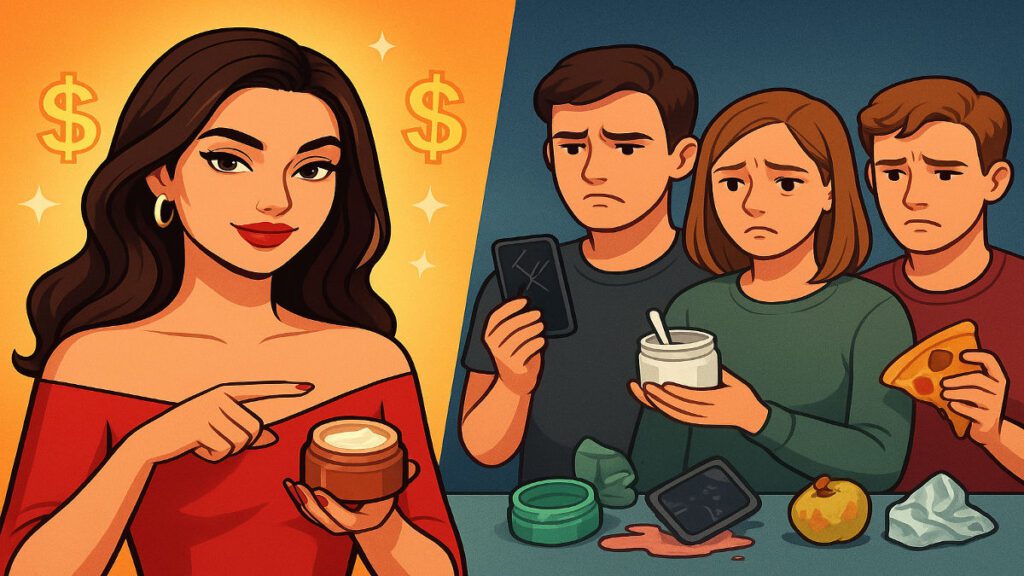
Not all influencers are created equal. A few carefully research products and share honest opinions. Many are motivated by sponsorships and commissions. Companies often pay influencers to portray products in the best possible light, even when those products are subpar. This isn’t harmless exaggeration. It costs consumers money and trust.
Take electronics. A poorly tested gadget might be pitched as “state-of-the-art” by an influencer chasing a sponsorship. Consumers trust the recommendation, buy the product, and face disappointment when it fails to deliver. Skincare, makeup, and food items get the same treatment, sometimes with safety concerns or health implications brushed aside.
How do misleading promotions affect consumers?
The consequences of fake influencer promotions are real:
Financial loss: People buy products expecting high quality, only to waste money on items that fail to deliver.
Erosion of trust: Repeated misleading claims reduce confidence in influencers, social media content, and brands themselves.
Health and safety risks: In sectors like skincare and food, false endorsements can lead to allergic reactions, skin damage, or other health issues.
Consumers often fail to question the authenticity of these endorsements, assuming that influencers have tested and verified the products themselves. That blind trust makes them vulnerable to exploitation.
Who are the honest influencers in the space?
Not all influencers are misleading. Many focus on education and genuine guidance, sharing real experiences with products, reviewing gadgets responsibly, or giving skincare and makeup advice grounded in research and personal trials. They help consumers make informed decisions and support a culture of transparency and accountability.
How can you protect yourself from fake influencers?
Consumers can take proactive steps to avoid being misled:
Research beyond social media: Check independent reviews, product specifications, and credible forums before buying.
Identify sponsored content: Paid promotions aren’t inherently bad, but knowing what’s sponsored helps you evaluate bias.
Follow credible voices: Look for influencers with a history of accurate, honest, and transparent reviews.
Critical thinking: Question claims that seem too good to be true. Real results rarely match flashy marketing pitches.
Final word
Influencer marketing is a powerful tool, capable of inspiring, educating, and connecting with audiences. When misused, it becomes a mechanism for deception. Consumers must stay vigilant and separate honest advice from paid promotions designed to mislead. Only through awareness and careful evaluation can we reclaim the power of informed choice and stop our wallets, health, and trust from being exploited.
FAQs about fake influencers
What is a fake influencer?
A fake influencer is a creator who promotes products or services using misleading or false claims in exchange for sponsorship money or commissions, rather than sharing honest, tested opinions.
Why are fake influencer promotions dangerous?
They cause real harm: financial loss from buying low-quality products, eroded trust in influencers and brands, and health or safety risks in categories like skincare and food, where false endorsements can lead to allergic reactions or skin damage.
How can I tell if an influencer is being paid to promote a product?
Look for disclosures like “ad,” “sponsored,” or “paid partnership” on the post. Cross-check the claims with independent reviews on credible sites and forums. If an influencer never shows drawbacks of any product they review, treat that as a signal.
Are all paid promotions misleading?
No. Paid promotions aren’t inherently bad. The issue is when influencers exaggerate or hide flaws to please sponsors. Transparent, disclosed partnerships with honest reviews are legitimate.
How do I find honest influencers to follow?
Look for creators with a track record of balanced reviews, clear sponsorship disclosures, willingness to criticise products, and engagement with their audience’s questions in the comments.