

Short answer: The economics of attention treats your focus as currency. Apps are engineered to keep you scrolling because every second online is sold, analysed, and converted into revenue. Reclaiming your attention is a design problem, not a willpower problem.
There is a moment, usually late at night with the screen glowing inches from your face, when you finally notice how tired you are. Not physical tiredness. Mental. A fatigue woven into your thoughts, shaped by hours of scrolling, tapping, liking, consuming. You close the app, but your mind keeps flickering through content you did not even care about.
If your attention feels like it is slipping away more easily than before, it is not because you are weak or unfocused. It is because attention has become currency, and everyone is trying to spend it before you understand its value.
We often talk about social media addiction or shrinking attention spans as personal failures. The truth is systemic, not individual. The digital world was not designed for you to browse; it was designed for you to stay. The longer you stay, the more profitable you become. In a world where everything competes for the same finite resource, your mind, the economics of attention shapes more of your life than you realise.
How did attention become the most valuable commodity on earth?
For decades, the world measured value through production: steel, oil, agriculture, tech hardware. Today, the most profitable companies do not manufacture anything you can hold. They manufacture engagement.
Your scroll is revenue. Your click is data. Your hesitation is analysis. Every second you spend online enters an invisible marketplace where platforms buy and sell your preferences, habits, fears, desires, and vulnerabilities.
The irony is that you do not get paid for offering the most valuable thing you own: your focus. Instead, you pay with time, distraction, and mental peace. Somewhere along the way, you stopped choosing what mattered to you, and algorithms began choosing on your behalf.
Why do apps make you scroll for hours?
If you have wondered why a few minutes of scrolling turns into an hour, it is not a lack of discipline. It is design. Apps are engineered with psychological precision:
Infinite scroll removes stopping cues
Notifications create behavioural loops
Algorithmic feeds act like slot machines
“Suggested for you” mimics validation
Short-form content hijacks dopamine cycles
These features do not exist by accident. They exist because they work. The goal is not to keep you online. The goal is to keep you predictable.
I have seen it in myself, and you have probably felt it too: the automatic movement of unlocking your phone without knowing why. That is not impulse. That is conditioning.
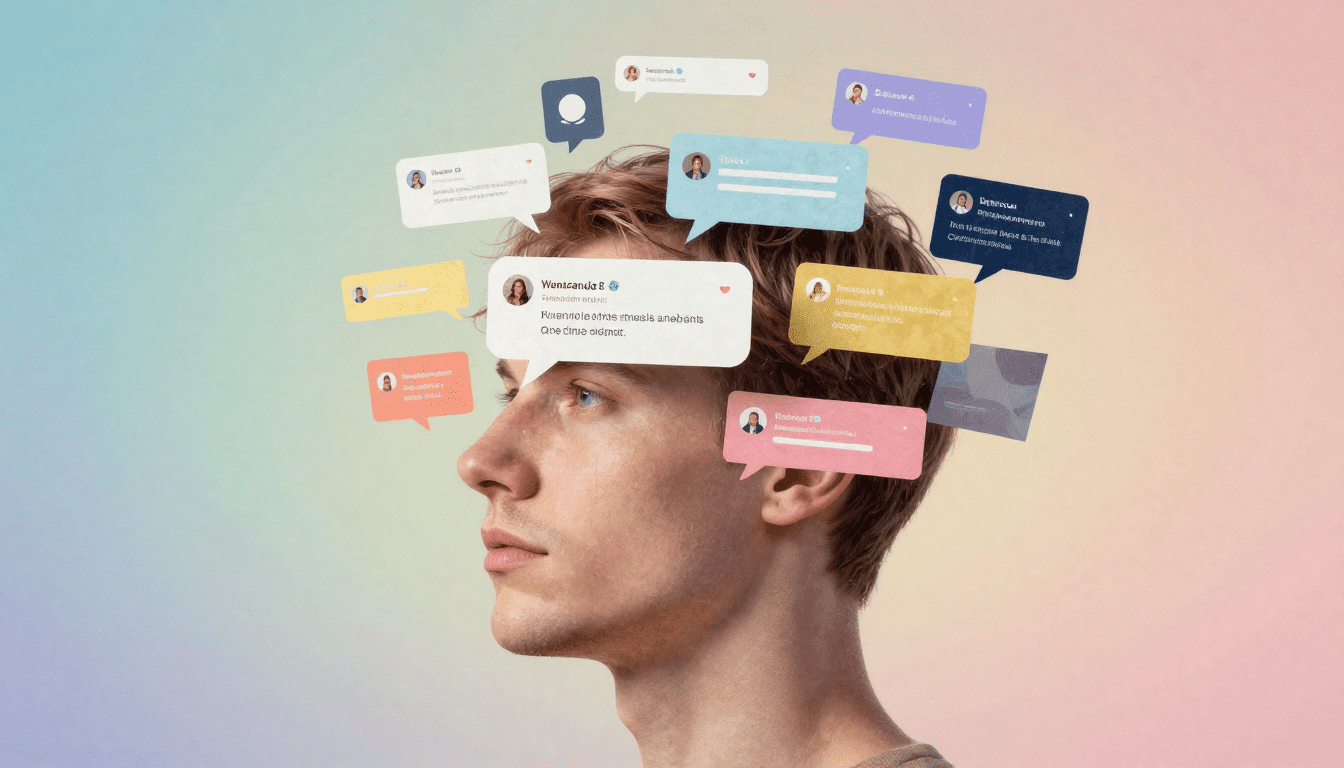
What is the mental tax of constant consumption?
We underestimate the cognitive cost of constant consumption. Every time you switch between apps, conversations, tabs, videos, and notifications, your mind pays a toll. You become mentally scattered, not because you lack focus, but because you are forced into micro-fragmentation dozens of times an hour.
Psychologists call it attention residue, the lingering mental clutter left after rapid task-switching. It makes deep thought, slow work, and sitting with your own thoughts harder. Over time, the toll becomes emotional. You feel tired but have done nothing. You feel overwhelmed but cannot pinpoint why. You feel behind on life without understanding where the anxiety started. This is not coincidence. It is consequence.
Do you actually choose what you see online?
We tell ourselves we are in control online, that we choose what to watch, who to follow, what to believe. Choice in the digital world is curated long before it reaches you. Algorithms observe how long you pause on a video, which comments you read, what triggers you, what comforts you, and what keeps you on the platform longest.
Once the system understands what captures you, it does not show you what is true. It shows you what is effective. Your digital world becomes a mirror of your impulses, not your intentions. Over time, this shapes not only what you see, but how you think. When the same ideas get reinforced repeatedly, they start feeling like truth, even when they are not.
Why does constant connection feel so exhausting?
Connectivity was supposed to make life easier. Instead, it accelerated everything, including pressure. Every update becomes comparison. Every message becomes obligation. Every notification becomes urgency.
Digital exhaustion often masquerades as emotional exhaustion. When your attention is always accessible, your energy becomes permanently depleted. This kind of exhaustion does not feel dramatic. It feels dull. A quiet heaviness. A lack of spark. A shrinking sense of self. The saddest part? We have begun to normalise it.
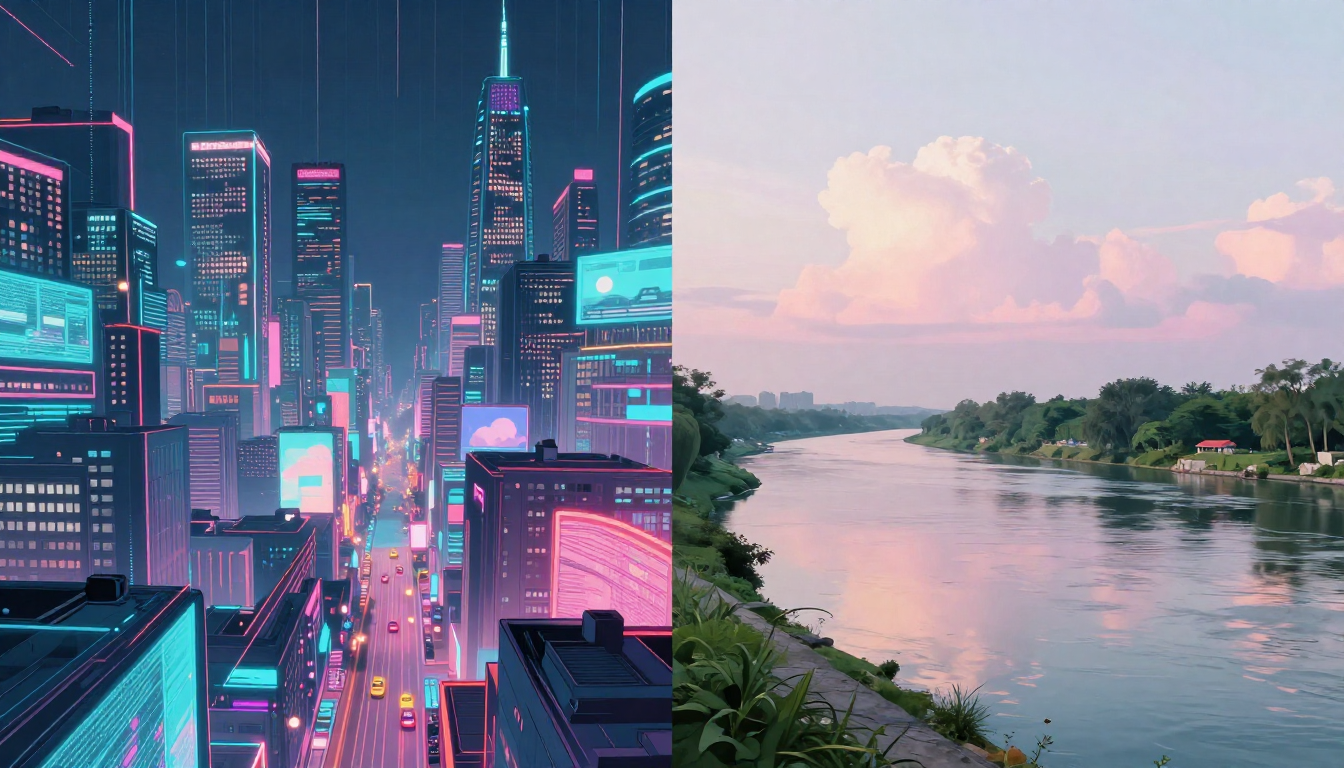
How do you take back control of your attention?
Reclaiming your attention is not about deleting social media or escaping technology. It is about renegotiating your relationship with it. Attention is the foundation of your inner world. What you focus on becomes what you feel, what you believe, and who you become.
The rebellion begins with small shifts:
Turning off non-essential notifications
Ending your day without a screen
Replacing passive scrolling with intentional content
Creating tech-free spaces
Allowing boredom to exist
Relearning long-form focus
When you reclaim your attention, your mind expands again. You start noticing details the algorithm could not show you. You become capable of deeper thought and deeper presence. You feel less like a consumer and more like a person.
Why does what you pay attention to shape your future?
Your attention is not only a resource. It is your identity. What you look at shapes the world inside you. If you give your attention to fear-driven news, you become anxious. If you give it to perfect aesthetics, you become self-critical. If you give it to endless noise, you lose your sense of direction.
Give it to curiosity, you grow. Give it to rest, you restore. Give it to people who ground you, you become fuller, not emptier. The digital world is powerful, but your mind is not powerless. It can be shaped, and it can also choose.
FAQs about the economics of attention
What is the economics of attention?
The economics of attention is the idea that focus has become the internet’s main currency. Platforms earn revenue by capturing, holding, and selling your attention through engagement-driven design.
Why do I feel tired after scrolling even when I did nothing?
Rapid task-switching causes attention residue: mental clutter that lingers after every swipe. The cognitive load of consuming fragmented content drains energy even when your body is at rest.
Is social media addiction a personal failure?
No. Apps use infinite scroll, variable rewards, and algorithmic feeds that exploit dopamine cycles. The compulsion is engineered, which is why discipline alone rarely works against it.
Do algorithms show me what is true or what keeps me scrolling?
Algorithms optimise for what holds you on the platform, not for accuracy. Over time, repeated exposure to the same ideas makes them feel true, which shapes beliefs without you noticing.
How can I reclaim my attention without quitting social media?
Turn off non-essential notifications, end your day without a screen, create tech-free spaces, allow boredom, and swap passive scrolling for intentional content. Small shifts compound into deeper focus.