Short answer: The evolution of social media runs from Friendster, MySpace, and Orkut in the early 2000s, to Facebook’s algorithmic feeds, Instagram and Snapchat’s visual era, TikTok’s short-form virality, and now a Web3 future built on decentralisation and digital identity.
Social media started as a simple idea: connect people. It was a digital meeting place where friends shared photos, families stayed in touch, and ideas found a voice. In two decades, it has evolved into something far more powerful: a global ecosystem that shapes culture, politics, business, and identity.
Today, social media isn’t about posting alone. It’s about positioning. It’s where brands are built, careers are launched, and revolutions begin. The timeline has become the world’s most influential stage, and understanding how it evolved helps us understand the modern digital world.
How did the early days of social media look?
In the early 2000s, Friendster, MySpace, and Orkut were the pioneers. Their purpose was simple: connect with friends, create profiles, and share updates. The novelty of being online and connected was enough to drive excitement.
Facebook changed the game. It introduced algorithms that learned from user behaviour, creating personalised feeds that kept people scrolling. That was the start of an era where attention became currency, and tech companies learned to monetise it.
How did Instagram and Snapchat change social media?
When Instagram launched in 2010, it redefined social media. Visuals became the new language of connection. A picture wasn’t worth only a thousand words. It was worth a thousand likes. Filters, aesthetics, and storytelling through images changed the way people presented themselves.
Snapchat added the idea of temporary content: moments that disappear. It tapped into authenticity and the human desire for imperfection in a world obsessed with curated perfection. Together, these platforms made visual communication the dominant social force of the 2010s.
What built the influencer economy?
What began as casual sharing quickly became a profession. Influencers emerged, individuals who could shape trends, opinions, and consumer behaviour through their content.
Brands realised something powerful: people trust people more than advertisements. That single insight built a multi-billion-dollar influencer economy. From micro-creators to celebrities, influence became measurable through engagement, reach, and conversions.
Today, social media is a marketplace of influence. Every post, like, and comment is part of an algorithmic dance designed to capture attention and convert it into action.
Why did TikTok change everything?
If Instagram polished social media, TikTok exploded it. Short-form video turned the industry upside down. Anyone could go viral overnight with no follower count and no expensive gear, only creativity and timing.
TikTok’s For You Page democratised discovery. It wasn’t about who you knew. It was about how engaging your content was. Power shifted away from legacy influencers to a new generation of creators: storytellers, dancers, educators, and comedians who built audiences by being real, fast, and relatable.
TikTok’s success forced every platform, from YouTube to Instagram, to adopt short-form content. It wasn’t a trend. It was an evolution of how people consume stories in seconds.
How do algorithms shape what we see?
Behind every scroll sits an algorithm. Social media platforms now operate less like social tools and more like behavioural systems, analysing millions of signals per second to decide what you see.
That personalisation raises ethical questions. Algorithms can reinforce biases, create echo chambers, and manipulate public perception. The same systems that recommend your favourite song can also sway political opinions or distort reality.
For creators and brands, understanding these algorithms matters. Growth on social media isn’t luck. It’s strategy. Those who learn the system win attention, and attention is everything.
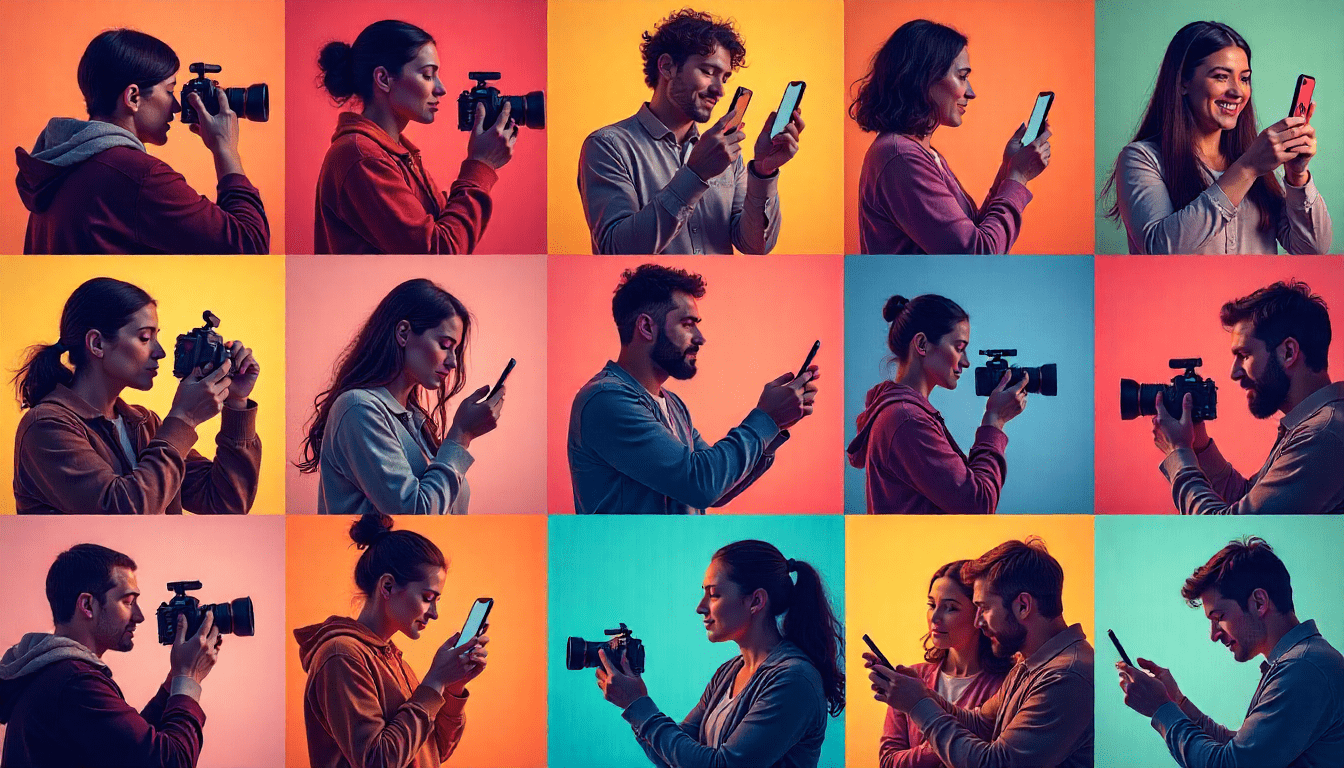
Why is attention the new business model?
Every minute spent online is monetised. Social media advertising now surpasses traditional media spending, with billions flowing through influencer deals, digital ads, and brand partnerships.
Attention has become the most valuable commodity in the world. Businesses no longer sell products only. They sell experiences, values, and narratives. Platforms reward engagement: the more time users spend online, the more valuable the ecosystem becomes.
That has triggered an arms race for creativity. From viral challenges to brand collaborations, every post competes for the same scarce resource: your focus.
How is social media affecting mental health?
Constant connectivity comes with consequences. Studies show social media can amplify anxiety, self-comparison, and digital burnout. The pressure to stay relevant, perfect, and visible 24/7 is a quiet strain felt by millions.
As awareness grows, new digital movements are emerging. Digital minimalism and mindful scrolling are becoming part of online culture. Users are reclaiming control, curating what they consume, and using platforms more intentionally.
The next evolution of social media might not be about more. It might be about better.
What is the future of social media?
We’re entering the next phase, where ownership, privacy, and authenticity take centre stage. Web3 technologies and decentralised platforms promise a future where users control their data, creators own their content, and communities govern themselves.
Imagine earning directly from your posts or owning your social identity across multiple platforms. That’s the direction we’re headed. Blockchain-based networks, NFTs, and creator tokens are early signs of this shift.
Social media’s next big transformation won’t connect people alone. It will empower them.
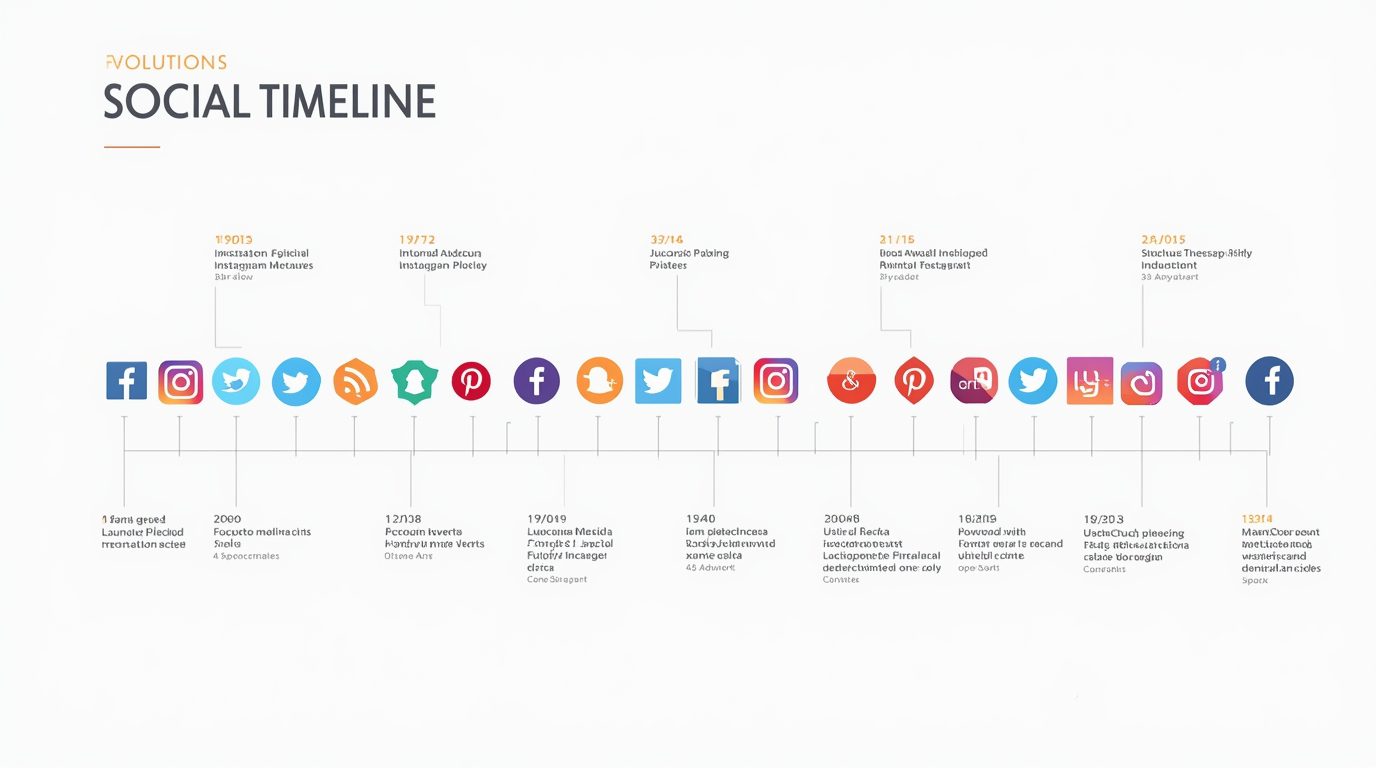
From connection to culture
Social media began as a tool for connection. It has grown into the engine that drives global culture. It shapes opinions, creates movements, and defines generations.
We’re all part of this evolution: creators, consumers, critics, and innovators. The platforms will continue to change, but one truth remains: social media reflects who we are and what we value.
The real question is: what will we choose to make it next?
FAQs about the evolution of social media
What was the first social media platform?
Early social platforms in the 2000s included Friendster, MySpace, and Orkut. They focused on profiles, friends, and updates before Facebook popularised algorithmic feeds.
Why did Instagram dominate social media?
Instagram launched in 2010 and made visuals the new language of connection. Filters, aesthetics, and photo storytelling turned it into the defining platform of the 2010s.
How did TikTok change content creation?
TikTok’s For You Page democratised discovery. Anyone could go viral without a large follower base, pushing YouTube and Instagram to build their own short-form formats.
Is social media bad for mental health?
Studies link heavy use to anxiety, self-comparison, and digital burnout. That’s fuelling movements like digital minimalism and mindful scrolling.
What does Web3 mean for social media?
Web3 promises decentralised platforms where users control their data and creators own their content. Blockchain networks, NFTs, and creator tokens are early signs of this shift.