
Short answer: Too much choice causes decision fatigue: a mental exhaustion that erodes confidence, delays identity formation, and makes every decision feel provisional. Certainty doesn’t come from having more options. It comes from committing to one and letting it grow roots.
At some point, freedom stopped feeling liberating and started feeling heavy.
You open a food delivery app and scroll endlessly, unable to decide. You stare at a streaming platform, skipping past hundreds of titles, somehow bored despite abundance. You weigh career paths, cities, relationships, routines: all technically available, yet none feeling fully right.
Choice was supposed to empower us. Instead, it often paralyzes us.
We live in a time where almost everything is optional, and that optionality comes with an invisible cost. The more choices we have, the more responsibility we carry for choosing correctly. When outcomes don’t match expectations, there’s no one else to blame.
Too much choice doesn’t just slow decisions. It erodes confidence.
When did freedom become a burden?
Previous generations had fewer options, but more certainty. Life paths were narrower, but clearer. You didn’t spend years wondering if there was a better version of the same decision waiting elsewhere.
Today, every decision feels provisional.
You don’t just choose a job. You choose between potential futures. You don’t just choose a partner. You choose whether you’re settling. You don’t just choose a city. You choose a lifestyle, identity, pace.
Because alternatives are always visible, commitment feels risky. What if there’s something better one scroll away?
What is decision fatigue and why does it matter?
Psychologists have long warned about decision fatigue: the mental exhaustion that comes from making too many choices in a short period of time.
Each decision consumes cognitive energy. Not just big ones, but small ones too.
What to wear. What to eat. What to reply. What to prioritize.
By the time you reach decisions that actually matter, your mind is already tired. Tired minds don’t choose well. They avoid, delay, or default.
This is why people often feel mentally drained without having done anything physically demanding. Their brains have been negotiating all day.
Why do we fear choosing “wrong” more than choosing nothing?
In a world of endless alternatives, choosing feels final in a way it never used to. Once you pick something, everything else closes, at least temporarily. That closure triggers anxiety.
Choosing feels like loss.
You’re not just gaining one path. You’re giving up all the others. When success stories are constantly visible, it’s easy to feel like the wrong choice will permanently derail your life.
So people stall. They keep options open. They delay decisions. They stay in limbo.
Not because they’re indecisive, but because decisiveness feels expensive.
What does optionality as a lifestyle cost us?
Modern culture subtly encourages optionality as virtue.
Don’t commit too soon. Don’t limit yourself. Don’t close doors.
On the surface, this sounds wise. Lived continuously, it creates instability.
When nothing is chosen deeply, nothing fully settles. When everything is temporary, nothing feels safe.
You become adaptable, but unrooted. Unrooted people often mistake restlessness for ambition.
How does endless choice affect identity?
Choices don’t just shape outcomes. They shape self-perception.
When you choose, you define yourself. When you don’t, you stay undefined.
Endless choice delays identity formation. You remain in draft mode, always revising, never finalizing.
This is why people say things like: “I don’t really know what I want.” “I’m still figuring myself out.” “I don’t want to box myself in.”
Exploration is healthy. Permanent exploration becomes avoidance when it replaces commitment.
Identity doesn’t form through browsing. It forms through living.
Why do we always think better is out there?
One of the most corrosive effects of choice overload is the belief that the optimal option is always beyond reach.
This mindset turns satisfaction into suspicion.
Even when something works, you wonder if it could work better. Even when you’re happy, you wonder if you should be happier.
Comparison doesn’t stop after choosing. It intensifies. Every alternative feels like a critique of your decision.
This makes joy fragile. Provisional. Conditional. You enjoy things cautiously, always ready to upgrade, pivot, replace.
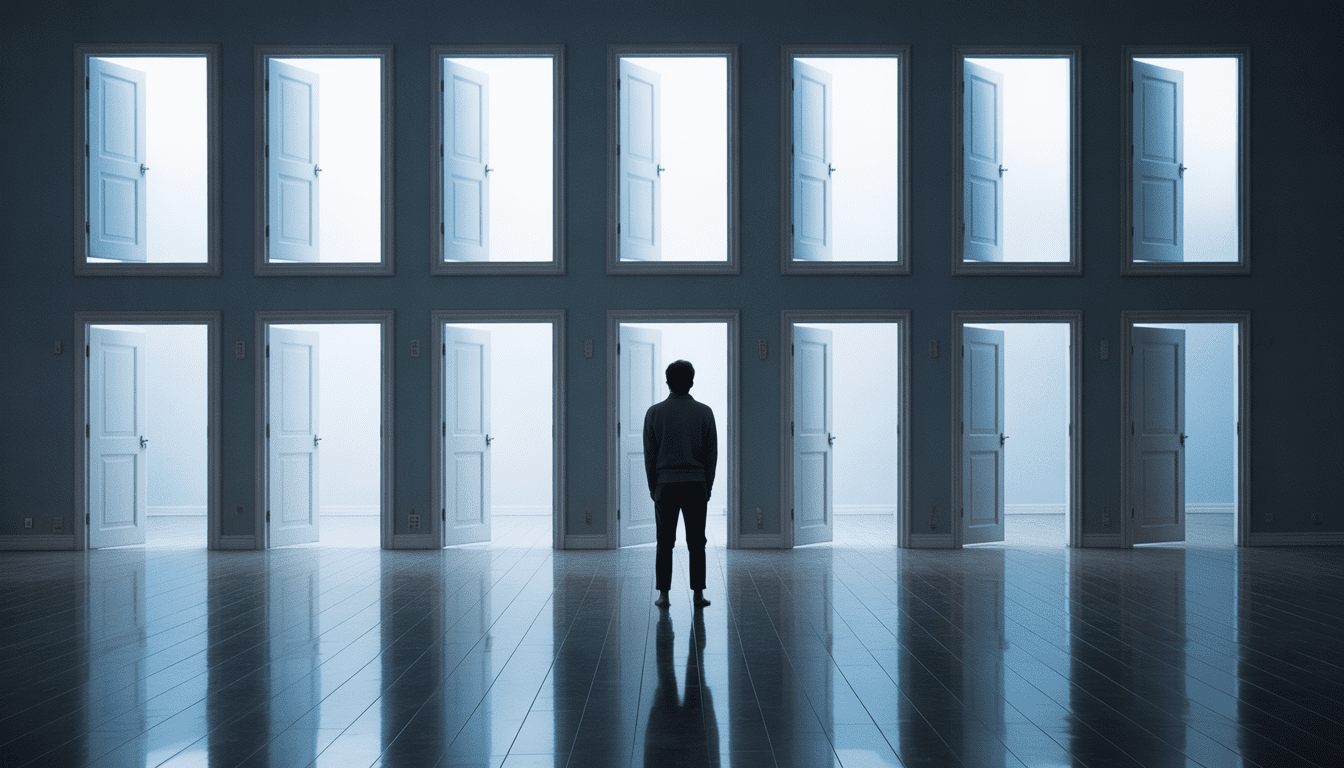
Why do constraints actually create clarity?
Ironically, the clearest lives are often the most constrained. Not because constraints are limiting, but because they simplify.
When options narrow, attention deepens. When decisions are fewer, presence increases. When paths are chosen, energy consolidates.
Constraints don’t remove freedom. They focus it.
This is why artists thrive within boundaries. Why routines bring calm. Why committed relationships feel grounding despite reduced optionality.
Freedom isn’t about having infinite choices. It’s about being at peace with the ones you’ve made.
How do you choose without regret?
The goal isn’t to choose perfectly. It’s to choose responsibly.
That means:
- Accepting that no decision guarantees certainty
- Letting go of hypothetical alternatives
- Investing in the choice you made instead of second-guessing it
- Understanding that most choices are reversible or adjustable
Regret often comes not from choosing wrong, but from refusing to fully commit to what was chosen.
A half-lived choice feels like failure. A fully lived one becomes experience, even if it changes later.
What does it take to close doors?
Closing doors doesn’t mean you failed to explore. It means you decided to live.
Every meaningful life includes doors that stayed shut. Paths not taken. Versions of self that never materialized.
That isn’t tragedy. It’s coherence.
Without closure, life stays fragmented. With closure, it gains shape. Shape allows meaning to emerge.
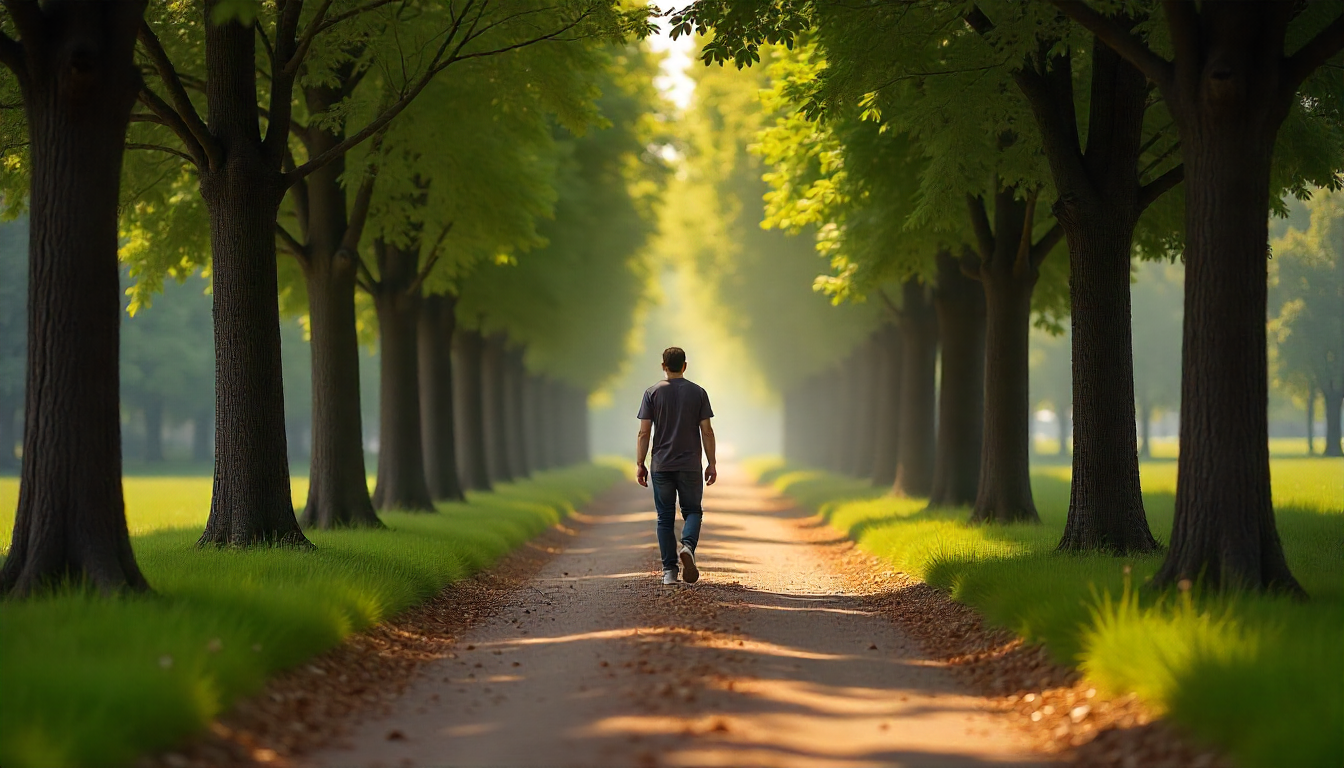
Where this leaves us
Too many choices don’t make us freer. They make us tired.
The exhaustion many people feel isn’t from doing too much. It’s from deciding too much, comparing too much, and committing too little.
You don’t need to optimize your entire life. You need to choose enough, and then stay long enough to let that choice grow roots.
Certainty doesn’t come from having more options. It comes from standing still long enough to believe in one.
FAQs about decision fatigue and choice overload
What is decision fatigue in simple terms?
Decision fatigue is the mental exhaustion that builds up from making too many choices in a short period. Each decision, big or small, drains cognitive energy. By evening, tired minds avoid, delay, or default on decisions that actually matter.
Why does having more options make us less happy?
Because every alternative becomes a potential critique of your choice. Comparison intensifies after choosing, not before. Satisfaction turns into suspicion, and joy becomes provisional because you’re always wondering whether you should be happier elsewhere.
How do constraints actually create clarity?
When options narrow, attention deepens, presence increases, and energy consolidates. Constraints don’t remove freedom; they focus it. That’s why artists thrive within boundaries and committed relationships feel grounding despite reduced optionality.
How do I stop second-guessing big life decisions?
Accept that no decision guarantees certainty. Let go of hypothetical alternatives. Invest in the choice you made instead of auditing it. Most choices are reversible or adjustable, so the real risk is refusing to commit, not choosing wrong.
Is exploring options always a good idea?
Exploration is healthy, but permanent exploration becomes avoidance. Identity doesn’t form through browsing; it forms through living. At some point, coherence requires closing doors, not because you failed to explore, but because you decided to live.