
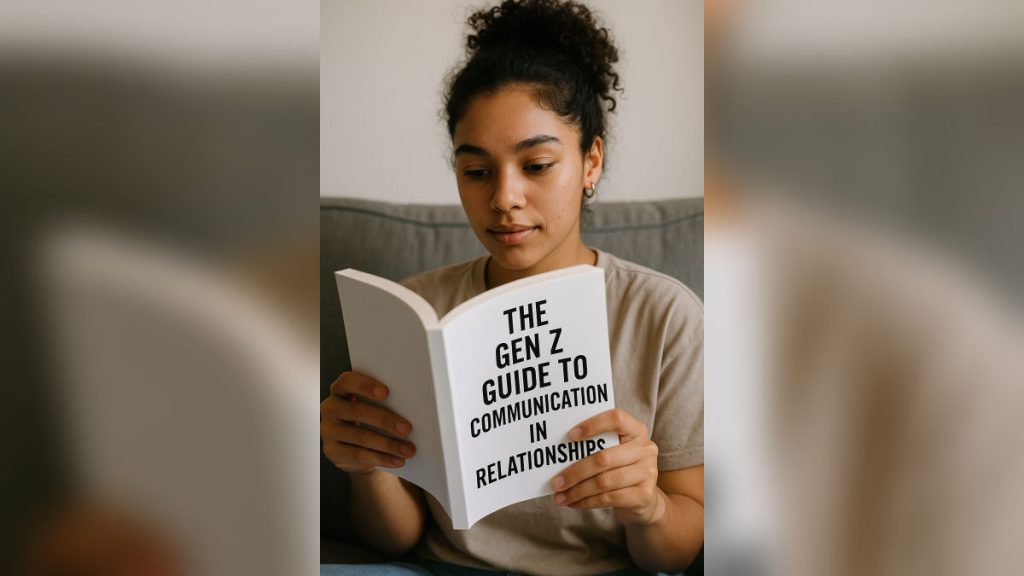
Short answer: Gen Z communication in relationships is hybrid by default. Daily check-ins happen on WhatsApp, Instagram DMs and Snapchat, while the deeper stuff (boundaries, conflict, future plans) still works best face-to-face. The non-negotiables are emotional honesty, direct language, mutual consent, and respect for digital boundaries. As Allsteel research notes, Gen Z values authenticity over perfection, and that filters into how they love.
How to connect deeply in a world of DMs, memes, and emojis
Let’s be honest. Relationships have never been easy. But for Generation Z, navigating love, friendship, and everything in between comes with its own set of challenges. Raised on the internet, shaped by social media, and fluent in memes and emojis, Gen Z has redefined how we communicate affection, resolve conflict, and express vulnerability.
Yet beneath the screens and stories, Gen Z craves what every generation has longed for: genuine connection. The difference? We express it in shorter texts, on newer platforms, with far more emphasis on emotional awareness. Here’s a deeper look at what effective communication looks like in Gen Z relationships, whether you’re Gen Z yourself or simply trying to love one better.
Why does the hybrid approach matter? Digital and in-person both count
Digital communication is second nature to Gen Z. A lot can be said with a quick Snapchat, a “like” on a story, or a shared TikTok. But even in this hyperconnected age, in-person conversations still hold unmatched power.
Digital chats are great for daily check-ins or flirty banter. The important stuff (feelings, boundaries, conflicts) is best face-to-face. The nuance of a raised eyebrow, a comforting hug, or a reassuring smile can’t be replaced by a GIF, no matter how perfect.
Real talk: One Gen Z couple I spoke with shared how their relationship improved dramatically after they started scheduling weekly “no-phone” dates, where they just talked, no filters, no distractions. As they put it: “We text all day, but those two hours of real talk brought us closer than weeks of DMs ever could.”
Why does Gen Z prioritise authenticity and emotional intelligence?
Gen Z can smell inauthenticity a mile away. Raised on reality TV and influencers, we’ve developed a sharp radar for what’s real and what’s just for show. In relationships, being emotionally honest and genuine is non-negotiable.
This means saying how you really feel, even when it’s awkward or uncomfortable. Whether it’s confessing you’re insecure or asking for space, Gen Z is more likely to respect emotional vulnerability than avoid it.
Quote to remember: As Allsteel research notes, “Gen Z values authenticity over perfection.” In other words, don’t try to impress, try to be real.
Why does Gen Z prefer direct communication?
Gen Z isn’t big on long-winded monologues or vague emotional hints. We prefer straightforward, concise, respectful conversations. If you’re upset, say why. If you’re happy, express it. Clarity is kindness, and it saves a lot of emotional guesswork.
Sure, we love using abbreviations and emojis (they add tone), but the core message has to be direct. Ambiguity often leads to anxiety. So if you’re feeling something, communicate it. Don’t ghost. Don’t breadcrumb. Say what’s real.
Example: Instead of saying “I’m fine” when you’re clearly not, try, “I’m feeling overwhelmed today. Can we talk later?” Clear. Respectful. Emotionally aware.
Meet them where they are: respect Gen Z’s preferred platforms
Not everyone wants to talk on the phone for hours, and that’s okay. Gen Z often favours messaging platforms like WhatsApp, Instagram DMs, or Snapchat for casual communication. Quick, frequent touchpoints often feel more intimate than long, occasional check-ins.
Want to connect meaningfully? Try sending a heartfelt voice note or a short video message. Or drop a meme that perfectly captures how much you miss them. It might seem small, but for Gen Z, these gestures are modern-day love letters.
Pro tip: Incorporate visuals. We’re wired to engage more deeply with images, Reels, and short videos. Communication isn’t just about words anymore, it’s also about how you package them.
How do you navigate social media in a relationship?
Social media can be both a blessing and a burden in Gen Z relationships. On one hand, it keeps us connected. On the other, it creates pressure to perform happiness, compare relationships, or misunderstand each other based on what is, or isn’t, posted.
One Gen Z friend told me, “I knew things were off when he stopped tagging me in posts.” It seems trivial, but for our generation, digital behaviour often signals emotional cues. The key? Don’t rely solely on public posts to measure private intimacy.
Advice: Have open conversations about your social media boundaries. Not everyone feels the need to post, and that doesn’t mean they care less. Focus on how you feel when you’re together, not how you look online.
Boundaries are sexy: practise respect and consent
In a generation that champions self-care and mental health, boundaries are seen as essential, not confrontational. Gen Z values autonomy, emotional space, and relationships built on mutual respect.
Whether it’s digital boundaries (like needing time off screens), emotional ones (like asking not to be teased about sensitive topics), or physical boundaries, clear communication is key. Respect for consent, verbal and non-verbal, has to be ongoing and enthusiastic.
Reminder: “No” is a full sentence. And asking, “Is this okay with you?” shows maturity, empathy, and emotional intelligence.
Why have the deep talks sooner than later?
Gone are the days of waiting months to talk about the future. Gen Z is practical, forward-thinking, and mentally health-aware. If a relationship is getting serious, discuss goals, values, and expectations early on.
Conversations around mental health, career paths, family dynamics, or personal boundaries aren’t “too deep”, they’re necessary. Gen Z would rather have a slightly awkward real talk than waste emotional energy on incompatible vibes.
Try this: Start small. Ask, “Where do you see yourself in two years?” or “What does a healthy relationship look like to you?” These open-ended questions can build lasting intimacy.
Keep it real, keep it respectful
Communication in Gen Z relationships isn’t about how often you talk. It’s about how honest, thoughtful, and emotionally intelligent those conversations are. We’ve inherited a digital world but we’re building human connections that crave depth, clarity, and respect.
So whether you’re sending a good morning meme, having a deep 2 a.m. voice note exchange, or sitting in quiet comfort with someone you care about, the key is to stay genuine, be emotionally present, and never stop learning how to communicate better.
FAQs about Gen Z communication in relationships
How does Gen Z prefer to communicate in a relationship?
Gen Z favours a hybrid approach: quick digital check-ins on WhatsApp, Instagram DMs, or Snapchat throughout the day, paired with face-to-face conversations for the heavier stuff. Voice notes, short video messages, and shared memes are also seen as modern-day love letters, not just casual filler.
Why is direct communication important to Gen Z?
Gen Z prefers clarity over vague emotional hints because ambiguity creates anxiety. Saying exactly what you feel, even if it’s awkward, is considered respectful. As Allsteel research notes, Gen Z values authenticity over perfection, which extends to how they handle conflict and intimacy.
What are healthy digital boundaries in a Gen Z relationship?
Healthy boundaries include things like not expecting your partner to be reachable 24/7, agreeing on what you do and don’t post about each other, and respecting time off screens. The point isn’t to limit closeness, it’s to protect mental health and individual space.
How early should you have deep conversations in a Gen Z relationship?
Earlier than older generations typically did. If a relationship is getting serious, Gen Z prefers to discuss goals, values, mental health, and expectations within the first few months. The mindset is that an awkward early talk is far cheaper than wasted emotional energy down the line.
Are emojis and memes a real form of communication?
Yes. Emojis add tone to text that would otherwise feel flat, and memes can express empathy or humour faster than a paragraph. Just don’t let them replace the harder conversations, the core message still needs to be direct and emotionally clear.