
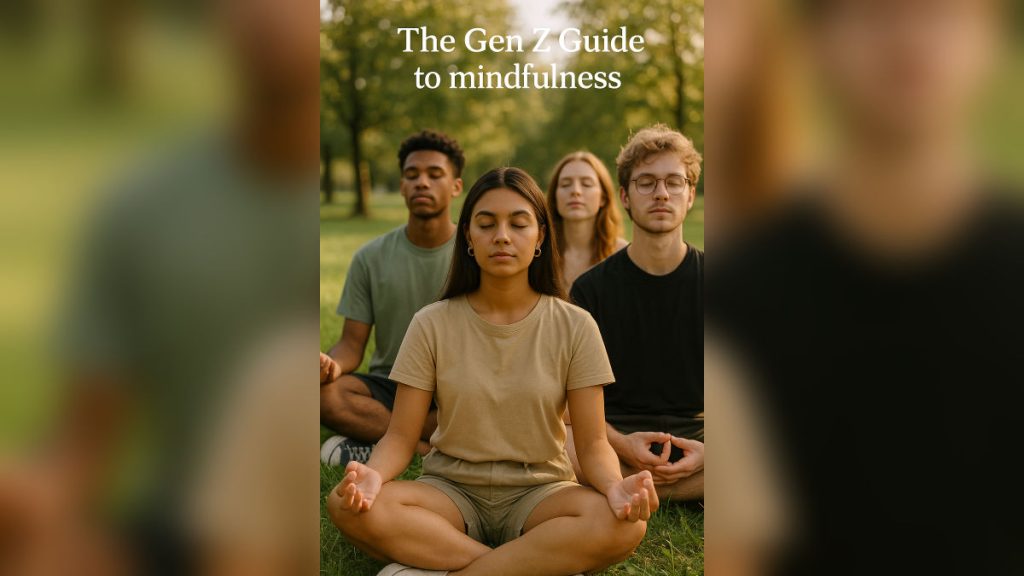
Short answer: Mindfulness for Gen Z means short, daily, judgment-free practices that fit a digital life. Start with 2 to 5 minutes of breathwork or a body scan, try apps like Headspace, Insight Timer or Balance, and use the 4-7-8 breathing technique before exams or sleep. A 2022 McKinsey report found Gen Z is more likely than older generations to prioritise mental well-being, but stress and burnout still run high, which is exactly why these tools matter.
In a world where everything moves at the speed of a swipe, it’s easy to feel overwhelmed, distracted, disconnected. Gen Z, born into the chaos of constant notifications, digital personas and global uncertainty, faces unique mental and emotional challenges. But within this storm sits a powerful anchor: mindfulness.
Mindfulness isn’t an outdated spiritual concept or a wellness trend exclusive to yoga retreats. It’s a practical, science-backed tool that can help you slow down, find clarity, and feel more connected, to yourself and the world around you. This guide is your introduction, written with your lifestyle in mind.
Why does mindfulness matter for Gen Z?
Generation Z is often praised for its openness about mental health, and for good reason. A 2022 report by McKinsey found Gen Z is more likely than previous generations to prioritise mental well-being and speak openly about emotional struggles. But despite the growing awareness, levels of stress, anxiety and burnout remain high.
So how do you cope in a world that rarely gives you a moment to breathe? That’s where mindfulness comes in. Mindfulness helps you press pause. It’s about being fully present in the moment without judgment. It helps you observe your thoughts and feelings without being swallowed by them. In other words, mindfulness teaches you how to be, rather than constantly do or react.
Is mindfulness self-care or another chore?
Let’s clear something up. Mindfulness isn’t a productivity hack or another box to tick. It’s self-care, a way to invest in your mental and emotional well-being.
Think of it like going to the gym, but for your mind.
One Gen Zer, 20-year-old Nandini from Pune, shared, “I used to think meditation was boring, but then I started treating it like brushing my teeth, just something small I do every day to stay sane. It changed everything.”
Mindfulness lets you validate your feelings, especially the tough ones. Whether it’s stress about college, confusion about your identity, or anxiety about the future, this practice gives you space to sit with those emotions instead of running from them.
How can a digital native start small?
You don’t need incense, chants, or a mountaintop to begin. You just need intention.
Create a mindful space
Your space doesn’t have to be fancy. Just somewhere you feel safe and won’t be interrupted. A corner of your room, your favourite park bench, even your balcony can work.
Begin with bite-sized sessions
Start with 2 to 5 minutes of mindfulness a day. Use simple techniques like focusing on your breath or doing a short body scan. As it gets easier, you can stretch the time gradually.
Use what you already have: your phone
There’s a whole ecosystem of mindfulness apps and guided meditations designed with Gen Z in mind. Try apps like Headspace, Insight Timer or Balance. Even short reels or TikToks featuring calming sounds or breathing tips can be your gateway.
But remember, use tech with intention, not habit.
Curate your social feeds to include creators and content that uplift you. As mindfulness expert and author Mallika Chopra writes in “Just Breathe: Meditation, Mindfulness, Movement, and More”, the goal isn’t to escape the digital world but to navigate it consciously.
How do you bring mindfulness into everyday life?
Mindfulness isn’t limited to sitting cross-legged in silence. The best way to make it stick is to embed it into your daily routine.
Eat mindfully
Instead of scarfing down food while watching Netflix, take a moment to actually taste what you’re eating. Notice the textures, flavours, aromas. Sounds simple, but this kind of intentional eating can increase satisfaction and lower stress.
Walk with awareness
Feel your feet on the ground. Observe the sky. Listen to your surroundings. Whether you’re walking your dog or heading to class, mindful walking can turn mundane moments into grounding experiences.
Practise mindful listening
When a friend is speaking, give them your full attention. Don’t just wait for your turn to talk. Listen without judgment or distraction. This deepens your relationships and trains your brain to stay present.
What are the simplest breathing tools you can use?
Breath is the most accessible mindfulness tool you have. It’s always with you. And it’s free.
Try this: the 4-7-8 breath technique
- Inhale for 4 counts
- Hold for 7 counts
- Exhale slowly for 8 counts
- Repeat 3 to 5 times
This simple exercise can lower anxiety and help you feel calm within minutes. Use it before exams, during conflict, or right before sleep.
Body scan meditation
Lie down or sit comfortably. Close your eyes. Start from the top of your head and mentally scan each part of your body down to your toes. Notice tension, tingling, even numbness, without judgment. This practice builds body awareness, lowers stress, and reconnects you with the physical self in a world that often pulls your attention outward.
Why is mindfulness a journey, not a destination?
You won’t become a Zen master overnight, and that’s okay. Mindfulness is a muscle that gets stronger with regular use. Some days your mind will wander. Other days you’ll feel connected and calm. Both are valid. Celebrate the little wins, the moment you remembered to take a deep breath before reacting, the day you paused scrolling to reflect, the time you chose a walk over doom-scrolling. These are signs of growth.
As Jon Kabat-Zinn, the father of modern mindfulness, puts it:
“You can’t stop the waves, but you can learn to surf.”
Choosing presence over pressure
Mindfulness isn’t about escaping reality. It’s about showing up for it, fully and consciously. For Gen Z, that means creating space to breathe in a hyperconnected world, cultivating compassion in a judgment-heavy culture, and rediscovering presence in a time obsessed with productivity.
FAQs about mindfulness for Gen Z
How can I start practising mindfulness if I have a short attention span?
Start with just 2 to 5 minutes a day, focusing only on your breath or doing a quick body scan. Treat it like brushing your teeth, a small daily habit, not a long retreat. As it becomes easier, you can stretch the time.
What are the best mindfulness apps for Gen Z?
Headspace, Insight Timer and Balance are three popular options designed with younger users in mind. Short reels or TikToks featuring calming sounds and breathing tips can also be a gentle gateway, just curate your feed so the algorithm serves up uplifting creators rather than doom-scroll bait.
How does the 4-7-8 breathing technique work?
Inhale through your nose for 4 counts, hold the breath for 7 counts, then exhale slowly through your mouth for 8 counts. Repeat 3 to 5 times. The slow exhale activates your parasympathetic nervous system, which can reduce anxiety within minutes. Use it before exams, during conflict, or right before sleep.
Is mindfulness the same as meditation?
Not exactly. Meditation is one specific practice within the broader concept of mindfulness. Mindfulness is the wider quality of being fully present without judgment, which you can practise while eating, walking, or listening to a friend, no cushion required.
Can mindfulness really help with stress and burnout?
Yes. Mindfulness practices give you space to observe thoughts and feelings without being overwhelmed by them, which reduces reactivity. Combined with basics like sleep, movement and social connection, it forms a real foundation for emotional regulation, especially for a generation as digitally exhausted as Gen Z.